The ECHR awarded compensation to a Crimean Tatar imam for banning religious services
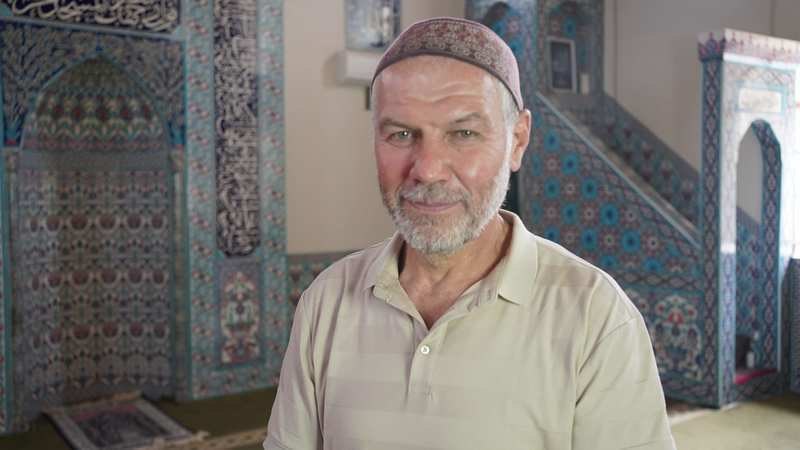
The European Court of Human Rights (ECHR) ruled that Russian authorities violated the right to freedom of religion of Yusuf Ashirov, the former imam of the Alushta Crimean Tatar community. The court ordered Russia to pay €7,500 in compensation.
The case arose from two administrative protocols filed against Ashirov in 2020 and 2021 for so-called illegal missionary activity. The ECHR concluded that the prosecution was initiated because the imam conducted religious services outside of officially recognized religious structures.
In his complaint, Ashirov insisted that the fines imposed on him were effectively punishment for his legal right to freedom of religion. He also emphasized that Russian legislation on missionary activity in Crimea is being used as a tool to restrict independent religious activity.
The €7,500 compensation awarded by the ECHR includes compensation for moral and material damages, as well as legal costs. However, according to lawyer Elvina Semedlyaeva, the actual implementation of this decision remains highly questionable, given the Russian authorities' stance following the country's withdrawal from the Council of Europe.
"After Russia's withdrawal from the Council of Europe, the Russian authorities stated that they would not implement new decisions of the European Court. Nevertheless, I consider the case of Yusuf Ashirov an important international precedent. The ECHR decision confirms that restrictions on religious activity in Crimea were used not only as an administrative control mechanism but also as a form of pressure on independent religious communities," the lawyer concluded.
The Alushta religious community, legally registered in Crimea since the 1990s, was forced to re-register under Russian law after 2014. At the same time, it maintained independence from the Spiritual Administration of Muslims of Crimea (SAMC), the state body regulating religious activity on the peninsula.
In October 2024, Alushta was liquidated at the request of the Crimean Ministry of Justice. The ministry cited "gross violations" of the law, including administrative cases against Yusuf Ashirov. Lawyer Rustem Kyamilev emphasized that SAMC played a direct role in this process, seeking to subordinate all Muslim religious organizations.