The European Parliament adopted a resolution calling for a boycott of the "self-proclaimed" Georgian authorities
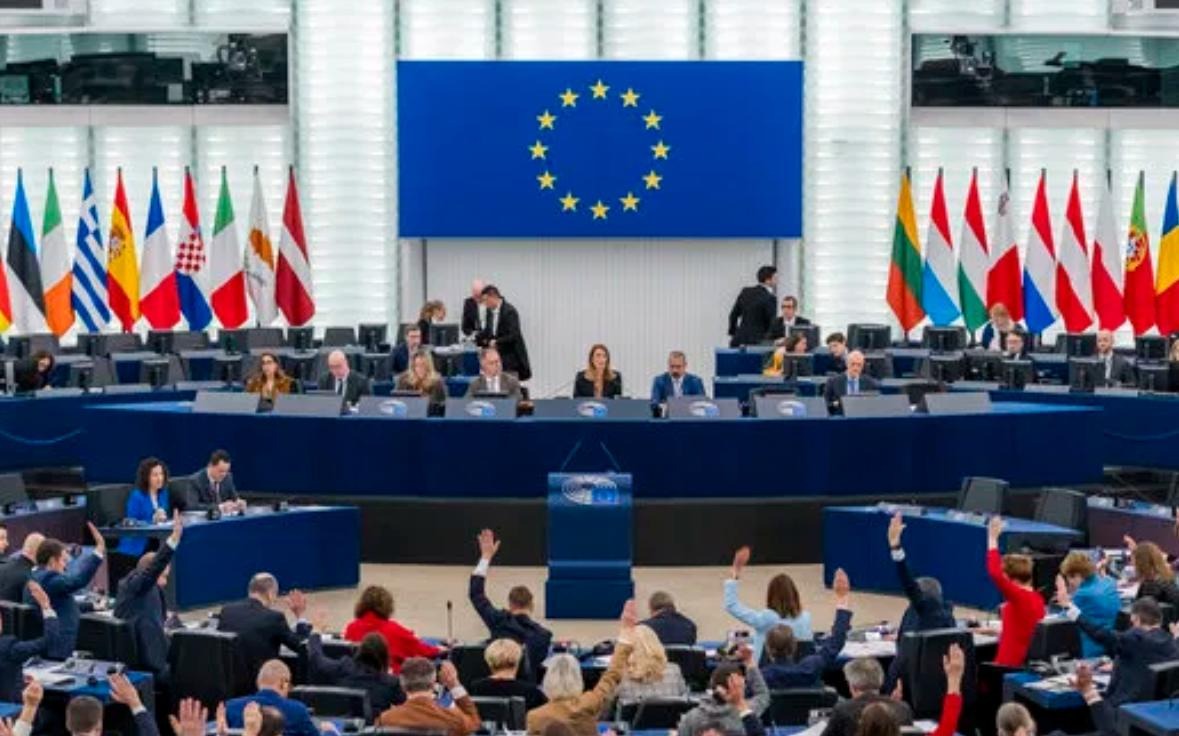
Yesterday, February 13, the European Parliament adopted a resolution "On the further deterioration of the political situation in Georgia", which was supported by 400 out of 720 members. 63 members of parliament voted against, 81 abstained.
The document calls on the European Union and its member states not to recognize the legitimacy of the one-party parliament of Georgia and the president appointed by it, to impose personal sanctions against the founder of the ruling party Bidzina Ivanishvili and his elite circle, as well as high-ranking officials, including Prime Minister Irakli Kobakhidze, judges and "media owners associated with the regime". The text also emphasizes the need to hold new parliamentary elections in Georgia.
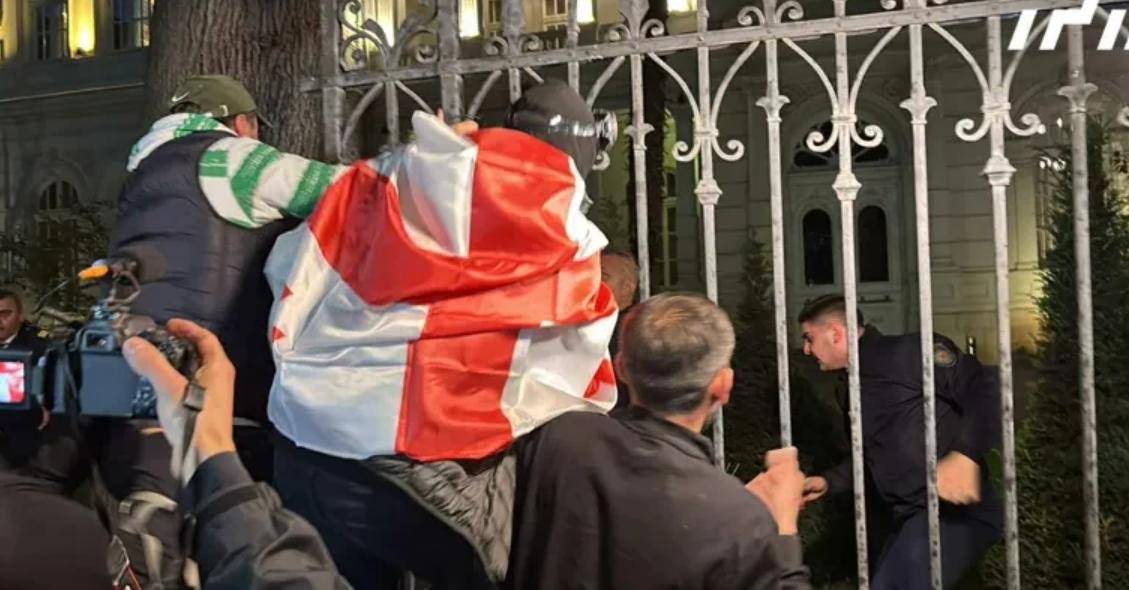
The adopted resolution condemns the "officials" of the Georgian Dream party and calls on them to "immediately stop the brutal repression against peaceful protesters, political opponents and media representatives." According to the authors of the document, the self-appointed authorities of Georgia have led the country into a "full-fledged constitutional and political crisis." It is noted that they violate fundamental human rights and freedoms, as well as the country's key international obligations, thereby undermining decades of democratic reforms.
According to the document, the European Parliament recognizes the fifth president Salome Zurabishvili as the only legitimate representative of the Georgian government and calls on the international community to join the boycott of the "self-proclaimed" government formed by the Georgian Dream.
Georgian Foreign Minister Maka Bochorishvili, commenting on the EP resolution, said that the document is far from common sense and democracy.
"We need to protect our country, its interests. "What is happening around Ukraine today, I think, answers the question well of why we should care about our country. First of all, the starting point should be the future of our country, and not what some member of the European Parliament will write in a resolution," the diplomat emphasized.