The EU may impose sanctions on two Georgian judges
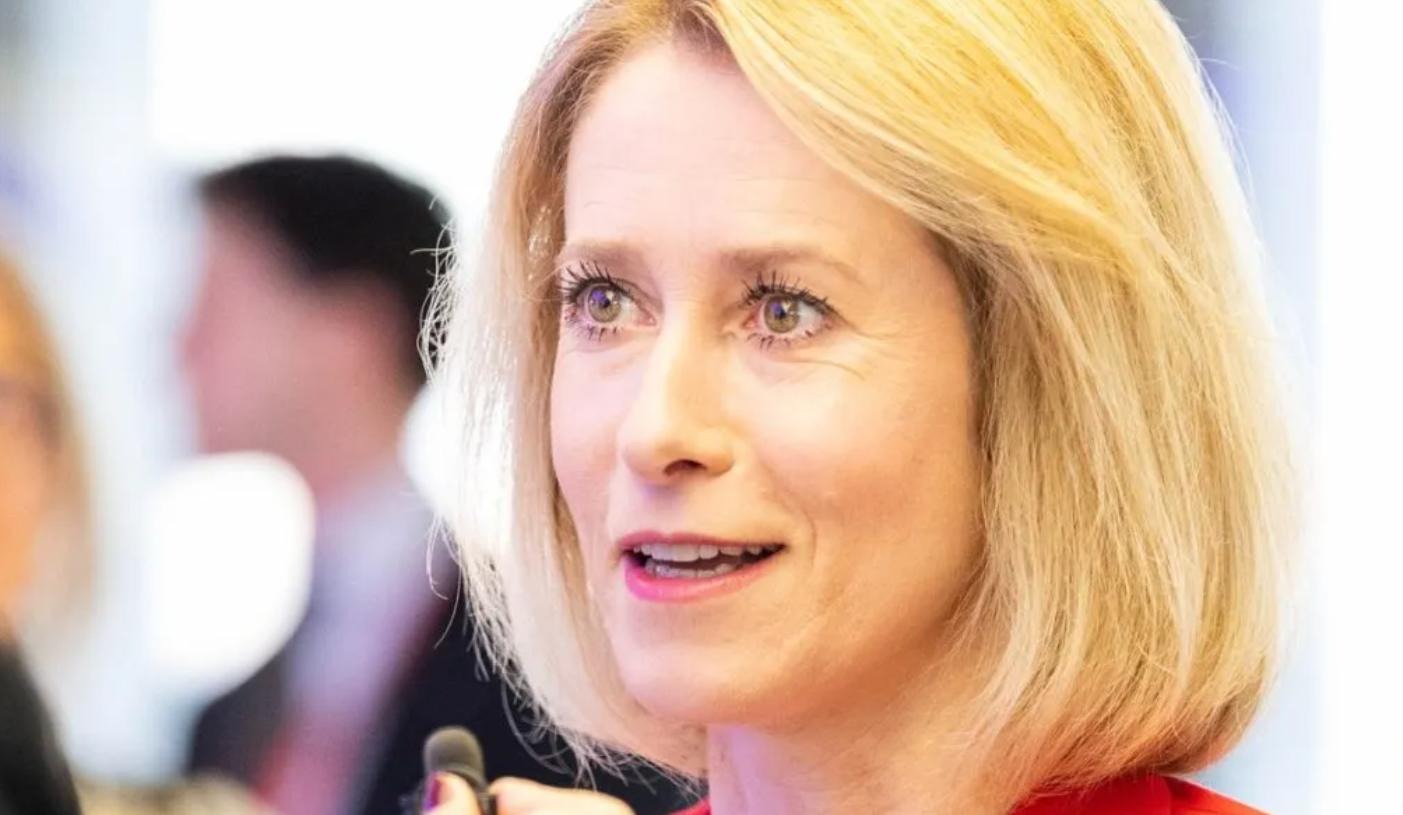
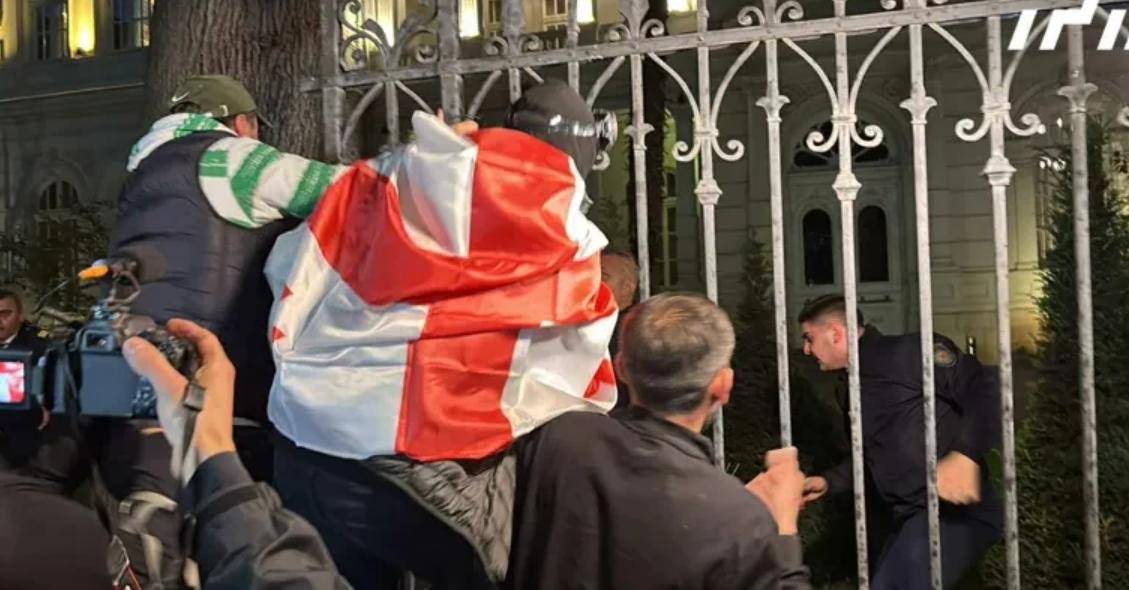
Two Georgian judges have been added to the list of people against whom sanctions may be imposed, as proposed by Brussels, the EU High Representative for Foreign Affairs and Security Policy Kaja Kallas stated. According to her, the EU sees that court decisions against protesters are indeed "very, very disproportionate", and it is obvious that "the judiciary is also part of this apparatus".
"Yes, there are two judges in the sanctions package. We will discuss this. As you know, we had a blockade earlier, but we will also discuss our methods of work in this regard and continue later," the European politician shared.
It should be noted that if all EU member states do not come to a unanimous opinion on the issue of sanctions and there is a blockade during the vote (on the part of Hungary, for example), they will not be introduced.
"Although today we will have a letter regarding the visa-free regime, which we will send to Georgia. They must fulfill certain conditions, and if these conditions are not fulfilled within the established deadline, then we will have to suspend the visa-free regime," Kalas noted.
To date, the EU decision to suspend visa-free travel for holders of diplomatic and service passports of Georgia has been implemented by 11 countries. Speaker of the Georgian Parliament Shalva Papuashvili called this initiative "a disgrace to the EU" and a violation of international law by the organization.
He responded similarly to Kallas's statement about adding Georgian judges to the sanctions list, assessing it as "Soviet-style threats"
"This is a sad path that Brussels is taking today, and EU citizens must look at this and decide what they want - they want Brussels to turn into the Soviet Union because of such bureaucrats who threaten an independent country, an independent judiciary, independent judges.
What we hear is simply shameful – the EU ambassador sometimes does not bother to explain, but I think that explanations should be given now.
We see how ambassadors of different countries sit in the courtroom to create a threatening environment for judges, so that later similar threats from the EU can be heard,” Papuashvili said.