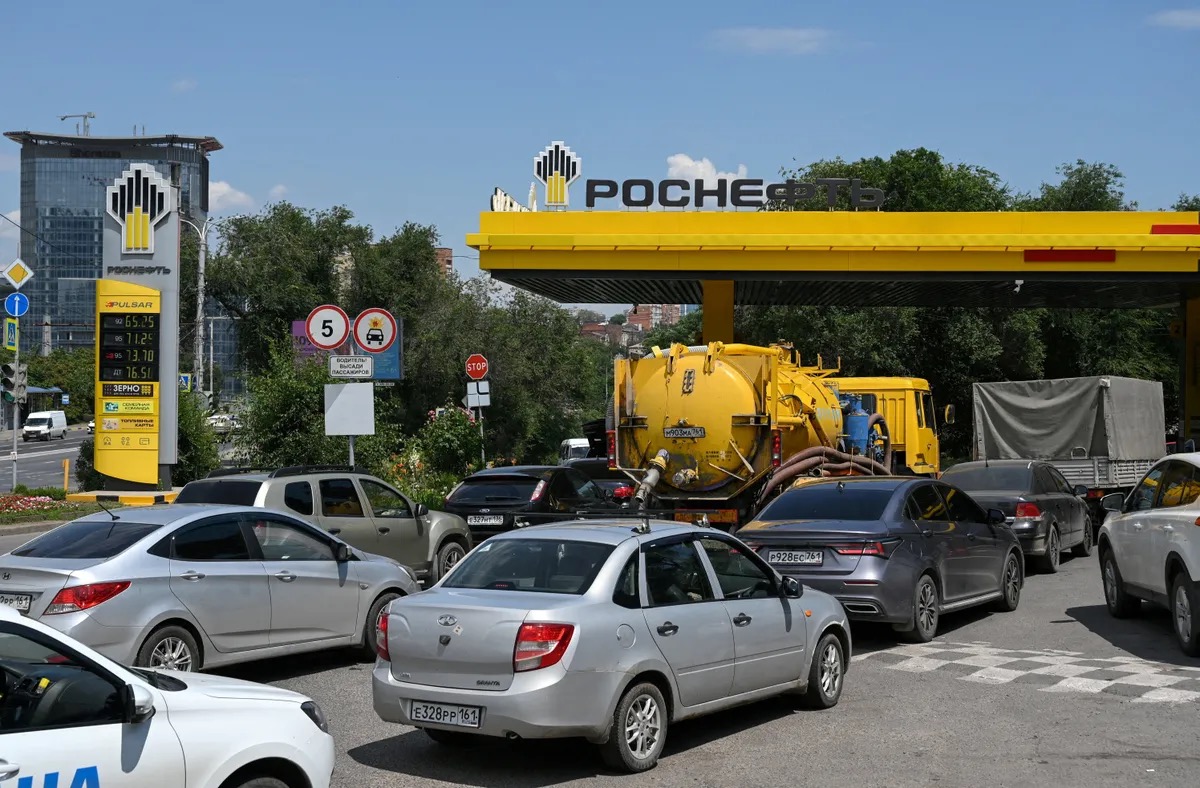
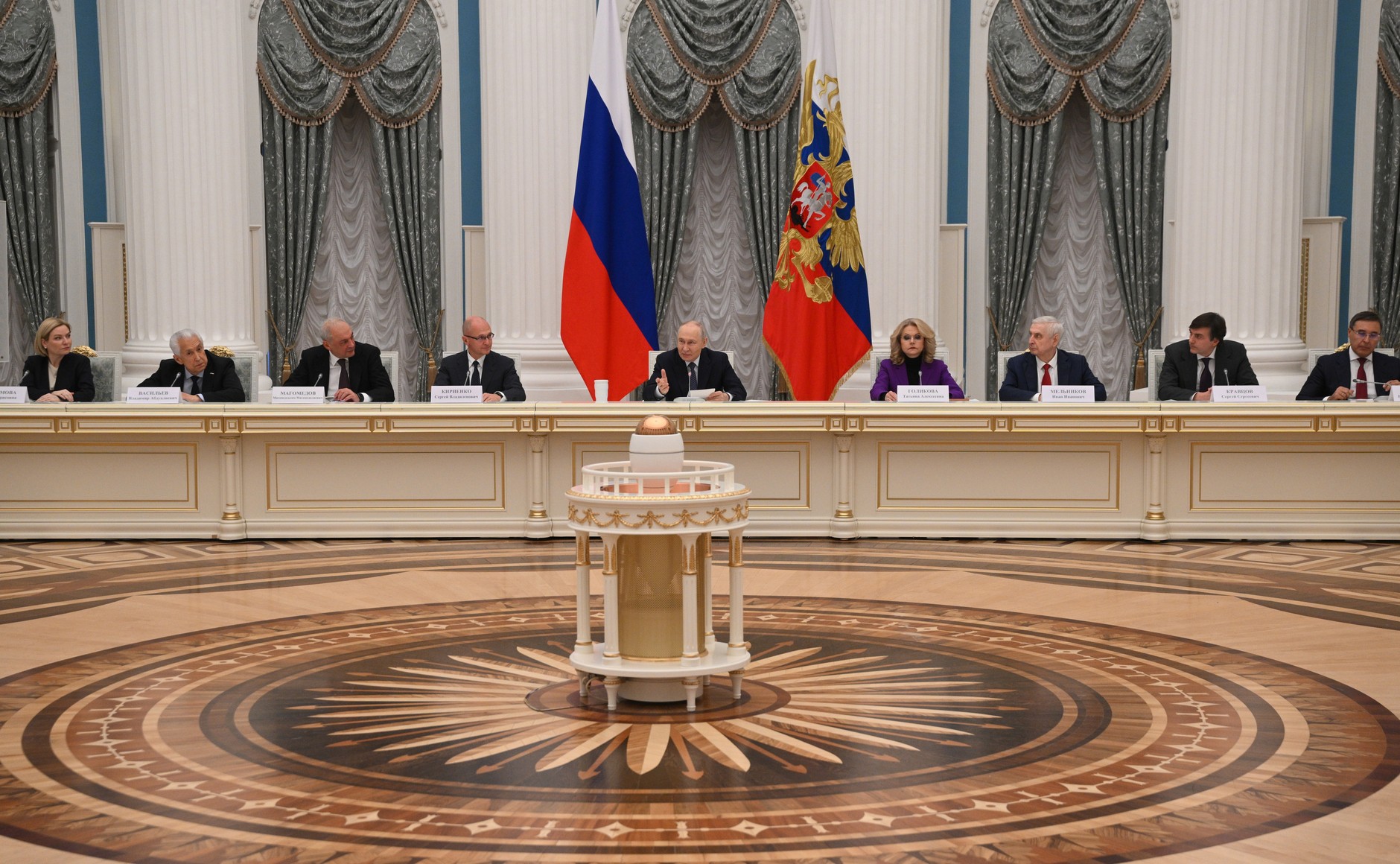
The Federal Antimonopoly Service (FAS) has reached an agreement with gas station chains to curb gasoline prices in three regions of Southern Russia
With the assistance of the Federal Antimonopoly Service, Russian regions have entered into 146 agreements aimed at stabilizing fuel prices. As of early November, these arrangements are in effect across 52 constituent entities of the Russian Federation, including the Volgograd and Rostov regions, as well as the Stavropol Territory.
Of the total number of agreements, 46 have been signed with operators that own more than 20 gas stations each; these arrangements cover 30 regions. They are established pursuant to Russian Government Decree No. 662 and are designed to restrain retail prices for gasoline and diesel fuel.
Concurrently, the FAS continues to pursue proceedings against participants in the fuel market. As of early November, the agency and its regional offices had initiated 76 cases involving potential violations of antimonopoly legislation. Additionally, 109 formal warnings have been issued to various companies and independent gas station operators.
The antimonopoly authorities are paying particular attention to the situation in Southern Russia, where, over the past few months, there have been issues regarding fuel supplies and rising fuel costs.
In the Krasnodar Territory, the regional FAS office has initiated cases against five gas station chain owners following sharp increases in retail prices. These include the companies Laba, Neftesfera, Yuzhnaya Neftyanaya Kompaniya, Ufimneft, and Atan.
Prior to this, the antimonopoly service had issued warnings to gas station owners, requiring them to rectify actions that appeared to violate the law. Notably, following a warning from the FAS, the gas station operator Stepnaya lowered its fuel prices. Prices also decreased at stations belonging to four other chains against which cases had already been initiated. The Federal Antimonopoly Service continues to monitor the prices of petroleum products, including in the context of the seasonal transition to winter-grade diesel fuel. Should any signs of unjustified price increases be detected, the agency intends to take antitrust enforcement measures.