Gela Geladze: "Kamit" was never purchased or used by the Georgian Ministry of Internal Affairs
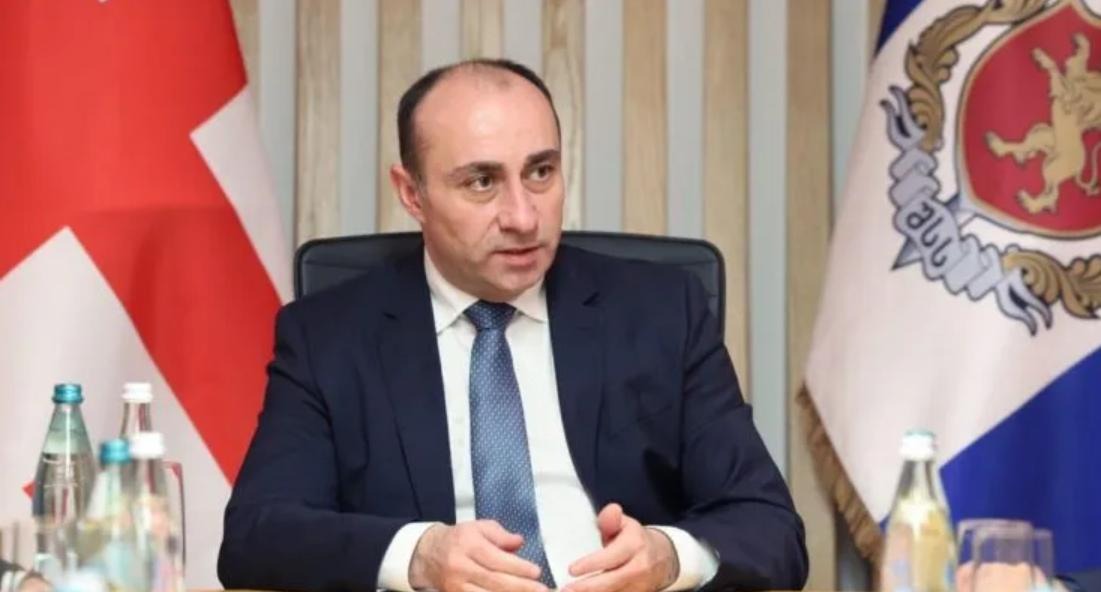
Georgian Interior Minister Gela Geladze stated that the banned chemical "kamit," known since World War I, has not only never been used but was also never purchased by the ministry. According to him, the Ministry of Internal Affairs uses only the same special means used in other developed countries.
The Minister of Internal Affairs recalled that the State Security Service had launched an investigation and disclosed the specific substances used, emphasizing that the substances used were not hazardous to health.
Meanwhile, the Georgian Young Lawyers' Association announced the launch of a trial into the possible use of "kamit" during the dispersal of pro-European protests and appealed to the Prosecutor General's Office.
The organization represents seven citizens injured during the suppression of protests in 2024. They believe banned chemicals may have been added to the water supply. Protesters reported health problems to the NGO, which continue to this day. The Association attributes these symptoms to the chemical weapons used by Interior Ministry officers in November-December 2024.
The head of the organization admitted that, in the absence of an effective investigation in Georgia, the case could be referred to the Strasbourg Court of Human Rights.
As a reminder, the British Broadcasting Corporation (BBC) published a report alleging that the Georgian authorities used the chemical weapon "kamit" during the suppression of pro-European protests in Tbilisi in 2024. The investigation is based on testimonies from demonstrators protesting the government's decision to suspend the country's European integration process: they complained of "scalding water," as well as shortness of breath, coughing, and vomiting that lasted for weeks. After speaking with chemical weapons experts, representatives of the Georgian special police forces, and medical professionals, the journalists concluded that the aforementioned substance was used.
Commenting on the BBC investigation, former Georgian Interior Minister Vakhtang Gomelauri stated that the chemical weapon known as "kamit" and other substances mentioned in the report "were indeed purchased by the Ministry of Internal Affairs and used, but before 2012," that is, during the rule of the National Movement party. This claim was denied by Georgian Prime Minister Irakli Kobakhidze and then by the current minister, Geka Geladze. According to Geladze, his predecessor implied that various substances were purchased in 2009, but not "kamit."