
In Crimea, police officers issued human rights activist Abdureshit Dzhepparov a warning against violating the law. Law enforcement officials explained the document's origins in connection with the upcoming holiday on May 9th, but such actions typically occur shortly before the Day of Remembrance for the Victims of the Deportation of the Crimean Tatar People (May 18th).
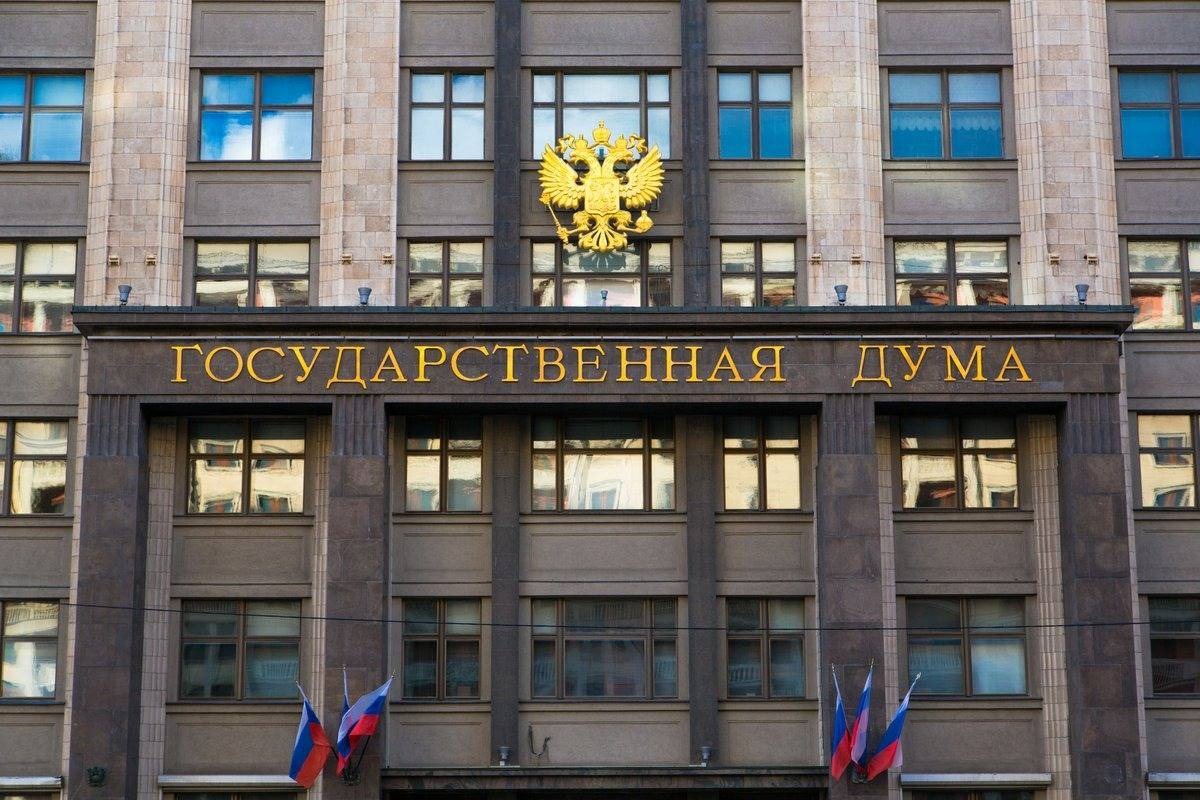
The State Duma approved amendments to the law on countering extremism. Its stated purpose is to protect religious literature from unjustified bans and prosecutions.
As the head of Chechnya, Ramzan Kadyrov, noted, courts often recognized materials of national, historical, cultural and religious heritage as extremist. “We could see something similar in 2022 and 2015, when incompetent experts and banal bias led to the fact that very significant Islamic materials were recognized as “extremist,” Kadyrov noted.
Currently, cases of extremist materials are considered by district courts, but after the law comes into force, they will be considered by the regional, regional, and republican Supreme Courts.
The bill was proposed by the Chechen parliament; it passed the third and final reading in the State Duma.