ISW: Kremlin Appears to Be Laying Groundwork for Possible New Mobilisation, With Russia’s Ethnic Minorities Again Facing Heightened Risks
The Russian authorities are putting in place legal and security mechanisms that could be used in the event of a new military mobilisation, according to analysts at the U.S.-based Institute for the Study of War (ISW), who reviewed recent legislative initiatives and statements by Russian officials.
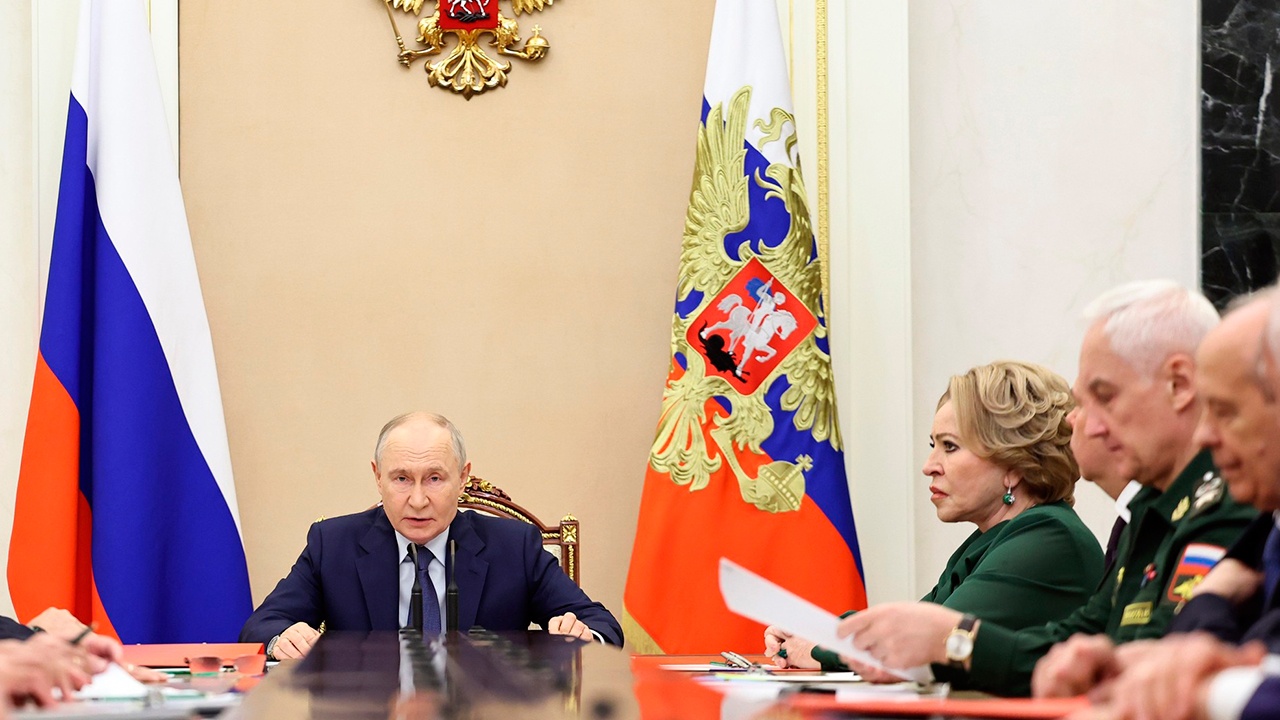
On July 22, Russia’s State Duma passed legislation that would allow citizens with unexpunged or outstanding criminal convictions to sign contracts with the Ministry of Defence during an officially declared mobilisation. The proposed changes would ease restrictions for individuals convicted of a number of serious offences. Deputy Defence Minister Viktor Goremykin said the amendments would broaden the pool of citizens eligible for military service and simplify force generation in 2026.
At the same time, Russia’s National Guard (Rosgvardiya) proposed amendments to civil defence regulations that would introduce additional measures to protect the civilian population during mobilisation, martial law and wartime.
Taken together, ISW says these developments may indicate that the Kremlin is preparing not only for the possibility of a new mobilisation campaign but also for the potential public backlash such a move could trigger. The analysts stress, however, that there is currently no evidence that a new mobilisation has been ordered, and that both the timing and format of any future campaign remain unclear. In ISW’s assessment, the final decision is likely to depend on President Vladimir Putin’s evaluation of battlefield conditions and the domestic political situation.
If ISW’s assessment proves accurate, it would revive concerns first raised by the Russian human rights organisation Memorial in the autumn of 2022. In a report titled Mobilisation Is a Threat to the Survival of Ethnic Minorities, the group warned that disproportionately high battlefield losses among Russia’s Indigenous and minority ethnic communities, combined with further mobilisation, could threaten the long-term survival of some of the country’s smaller ethnic groups.
Memorial argued that for communities with relatively small populations, the large-scale deployment of military-age men represents not only a humanitarian tragedy but also a long-term demographic threat that could undermine their future viability.
In recent months, human rights organisations and independent media outlets have repeatedly reported cases of alleged forced recruitment in Chechnya. According to published investigations, security forces conducting raids sought virtually any formal pretext to detain men of military age, ranging from traffic violations and missing vehicle documents to the discovery of what authorities considered “undesirable” content on mobile phones.
Those detained were reportedly taken to police stations and, according to the investigations’ sources, many were subsequently transferred to military units without being allowed to return home. Reports have also alleged that local security officials were assigned recruitment quotas for sending men to the front.
These claims could not be independently verified. However, numerous testimonies cited by investigators point to what they describe as a systematic pattern of coercive recruitment within the republic.
Against this backdrop, the safety of male relatives of military age has become one of the foremost concerns for many families. Parents have sought to send their sons abroad or find other ways to shield them from participation in the war. For many, the issue is not one of political allegiance but of protecting their children’s lives.
The issue carries particular significance in Chechnya. The republic has already endured two devastating wars that left deep demographic, social and psychological scars. As a result, many residents view the prospect of another large-scale deployment of young men to the front not only as a military development but as a threat to the future of their people and to the republic’s human potential.