Kadyrov avoids mass deployment of Chechens to Ukraine war, The Economist reports
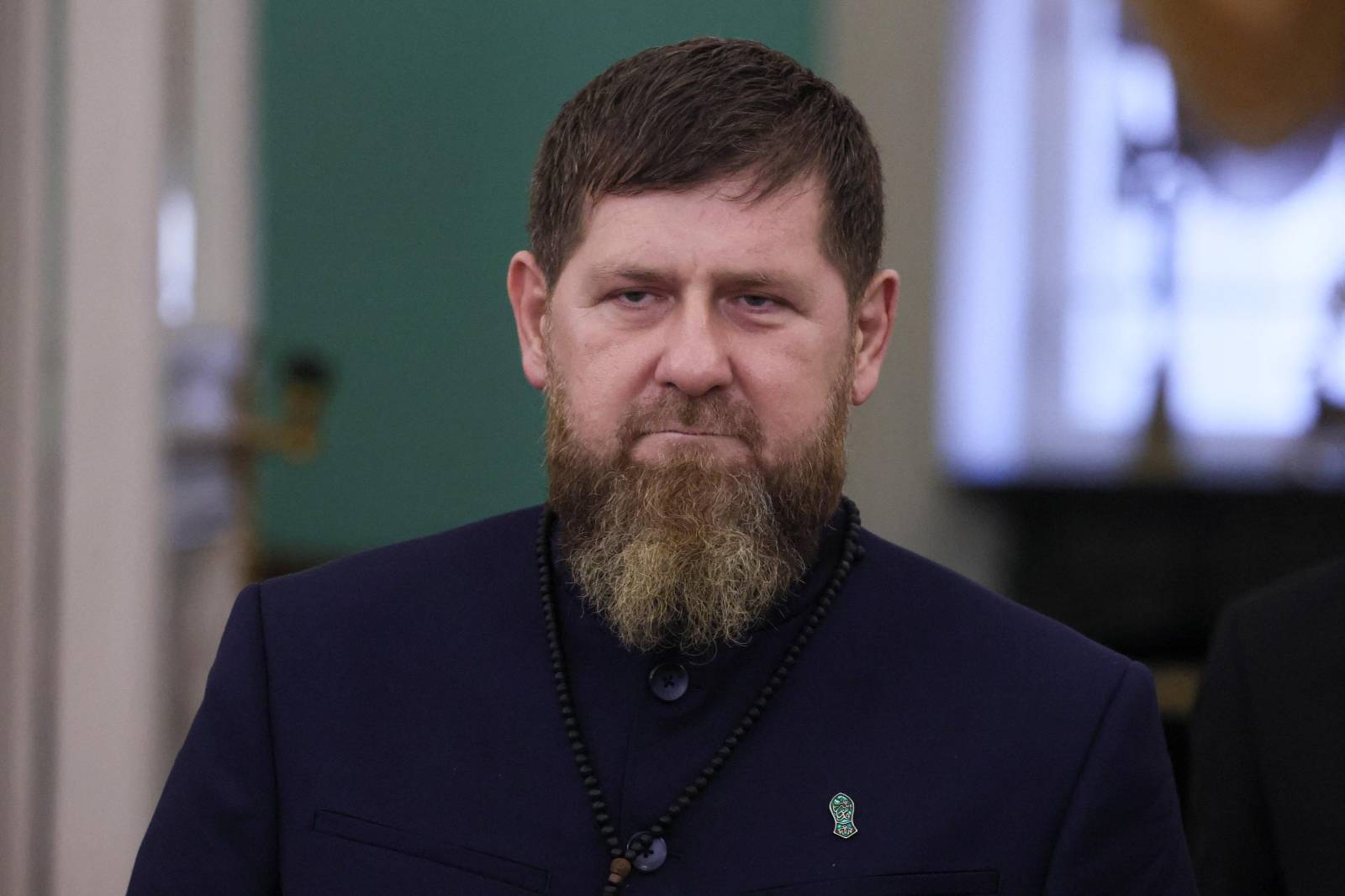
Chechen leader Ramzan Kadyrov publicly portrays himself as a staunch supporter of Russia’s war against Ukraine, but in practice has sought to prevent large-scale deployment of people from the republic to the front, The Economist reports, citing a source close to the Chechen leadership.
“Whatever Moscow’s interests in Ukraine may be, we are infinitely far from them,” the source told the magazine. Kadyrov, who has described himself as “Putin’s infantryman”, “understands the situation perfectly” and does not want to sacrifice Chechnya’s population for the sake of the “Russian world”, the source said.
In April, Kadyrov claimed that more than 70,000 servicemen had been trained in Chechnya for possible deployment to the front. The Economist noted that the figure would amount to roughly 9% of the republic’s entire male population and questioned its credibility.
The magazine also pointed to the significantly lower number of confirmed deaths among people from Chechnya. According to calculations by Mediazona, as of July 10, at least 539 Chechens fighting on Russia’s side had been confirmed killed since the start of Russia’s full-scale invasion of Ukraine.
The Economist calculated that the figure represents about 0.2% of confirmed Russian military losses, while Chechnya accounts for roughly 1.1% of Russia’s population. The magazine attributed part of the discrepancy to Kadyrov’s political influence, which allows him to limit the republic’s involvement in the war.
According to The Economist, Kadyrov has managed to avoid imposing forced mobilisation on Chechens since the war began. This has also helped him maintain his image at home as a leader who protects the republic’s population from being sent to the front.
At the same time, the war has become an instrument of domestic politics for the Chechen leadership, the magazine argues. It cites the example of Apti Alaudinov, who was appointed commander of the Akhmat special forces unit amid reports of tensions between him and Kadyrov.
A source cited by The Economist said many Akhmat fighters sought to avoid taking excessive risks. The unit has repeatedly been criticised over staged videos filmed away from the immediate front line, leading to its members being dubbed “TikTok troops”.
Alaudinov has previously said that people from Chechnya make up only about a quarter of Akhmat’s personnel, with the remainder recruited outside the republic. The Economist reports that money provided to the Chechen leadership by Moscow is among the resources used to attract recruits.
At the same time, the magazine says deployment to the war can be used in Chechnya as a means of coercion. According to The Economist, people considered undesirable by the authorities may have been forcibly sent to the front, including relatives of opposition figures and other residents who had come under official pressure.
Some Chechens have joined the war on Russia’s side voluntarily and out of conviction, but their numbers appear to be relatively small, the magazine reports.
The Economist also links Kadyrov’s reluctance to send large numbers of Chechens to the front to the legacy of the two Chechen wars. After two devastating armed conflicts with the Russian military in the 1990s and 2000s, the magazine argues, a significant part of the republic’s population remains reluctant to fight on Moscow’s side.