Georgian NGOs declared disobedience to the “Russian” law, and the president called for a referendum

Georgian non-governmental organizations (NGOs) have declared their disobedience to the government's law on foreign agents. It is called an analogue of the Russian law.

“Our lawyers will fight both domestically and in international courts. We will collect money to pay each other the fines that were imposed on us for loving Georgia and fighting for freedom. Our struggle is seen and supported by the entire civilized world. The passage of the Russian law threatens election monitoring, but we, Georgian civil society organizations, promise to protect the elections and the right to vote of every citizen. We will be with you at every polling station and will observe to protect free and fair elections!” the statement said.

On May 28, the Georgian parliament overrode the president’s veto of the bill “On Transparency of Foreign Influence.” The ruling Georgian Dream party voted for him.

President of the Council of Europe Charles Michel said that the issue of Georgia will be discussed at the next meeting of the European Council.

“In December, the European Council decided to grant candidate status to Georgia in the sense that Georgia will take appropriate steps and implement the necessary reforms. The parliament’s adoption of the “transparency law” is a step backward and takes Georgia further away from the path to joining the EU,” Michel said.

Georgian President Zurabishvili, in response to the decision of the parliament that finally approved the “Russian” law, called on the protesters to begin collecting signatures for a referendum.

“Young people here, after you collect signatures and bring them to me, the second important thing will be to protect the elections where necessary, because your mobilization, your half a million votes, as well as at least half a million votes of our diaspora “That’s what (the result of) the elections on October 26 will decide,” Zurabishvili addressed the demonstrators gathered near parliament.

Последние новости
Grozny Homebuyers Say They Have Been Waiting Nine Years for Their Flats
Society
Grozny Homebuyers Say They Have Been Waiting Nine Years for Their Flats
21 November 2026

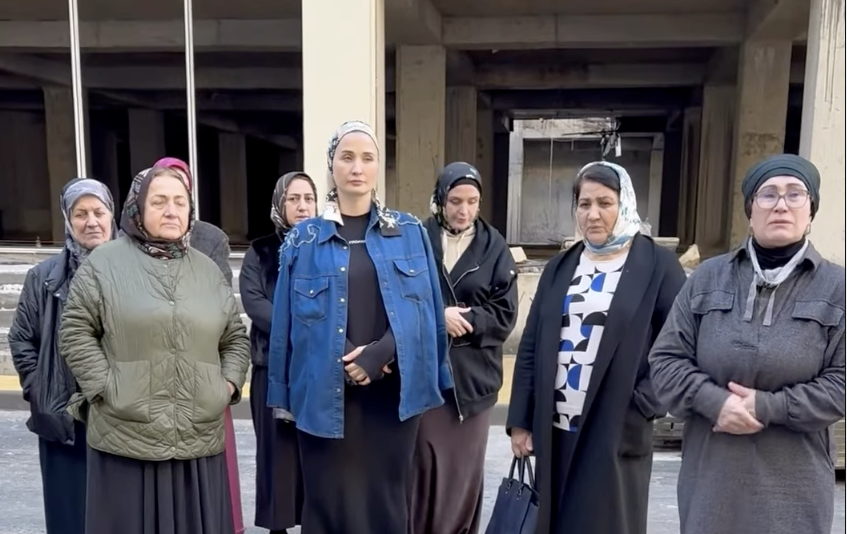
Residents of Grozny who invested their savings in the construction of a residential building at 68 Sheripova Street are asking the Head of Chechnya, Ramzan Kadyrov, to intervene. Construction of the building began in 2017, but, according to the buyers, it still has no utilities, electricity or heating. Their appeal calls into question a statement made in May by the republic’s Deputy Prime Minister, who said that Chechnya had no troubled shared-equity construction projects or defrauded homebuyers.

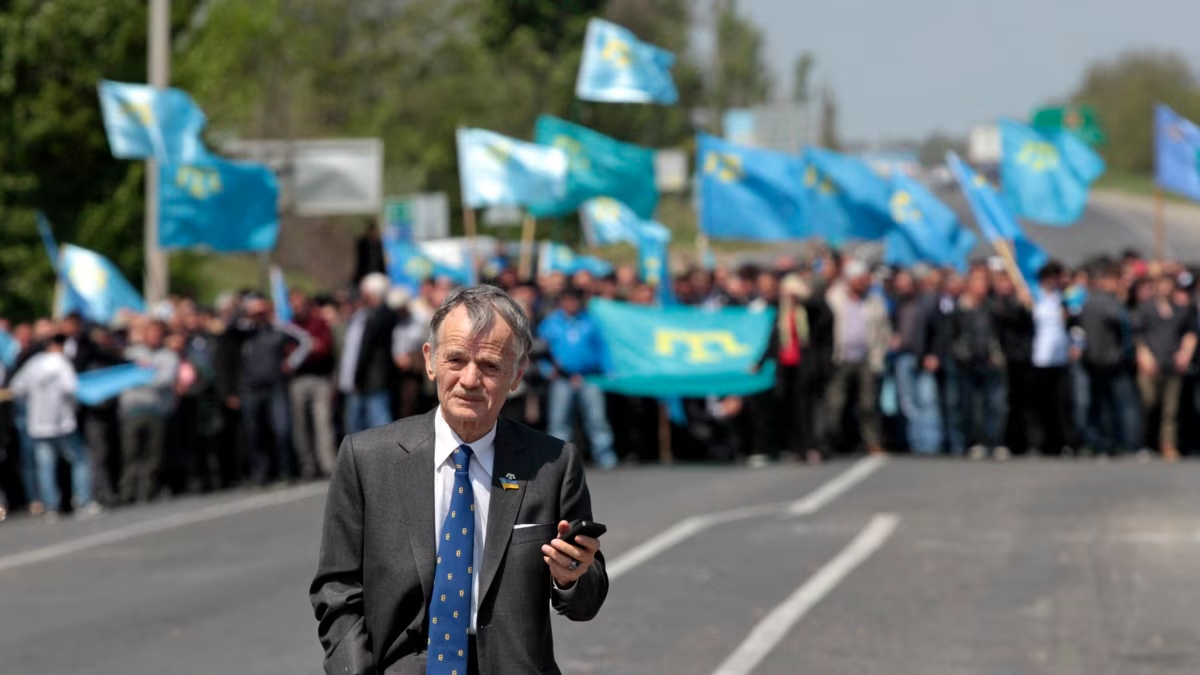
Dzhemilev: Crimean Tatars Have Agreed with Kyiv on the Principles of Future Autonomy
Society
Dzhemilev: Crimean Tatars Have Agreed with Kyiv on the Principles of Future Autonomy
21 November 2026

The Ukrainian authorities and representatives of the Crimean Tatar people have agreed on the main issues concerning the future autonomy of Crimea, Mustafa Dzhemilev, leader of the Crimean Tatars and a member of Ukraine’s parliament, has said.


Search Under Way for 63-Year-Old Man Missing in Dagestan for Nearly Two Weeks
Society
Search Under Way for 63-Year-Old Man Missing in Dagestan for Nearly Two Weeks
21 November 2026

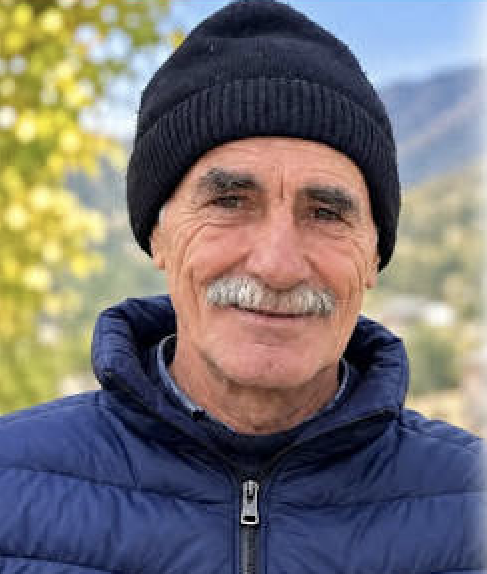
Search efforts are continuing in Dagestan for Latif Ramazanovich Latifov, born in 1963, a resident of the village of Novy Aul in the Magaramkent District. He left his home on the evening of 9 November and has not returned.

Chechnya ranks among the Russian regions with the lowest proportion of war-related fatalities among working-age men
Society
Chechnya ranks among the Russian regions with the lowest proportion of war-related fatalities among working-age men
20 November 2026

Since January 2022, 1,567 deaths linked to the war against Ukraine have been recorded in Chechnya. This accounts for 4.8% of all deaths among residents of the republic during that period. In neighbouring Ingushetia, the figure reached 5.1%. The highest figure among the regions of southern Russia and the Caucasus was recorded in Kalmykia, where war-related deaths accounted for 6% of all deaths (763 people).