Man Accused by Ukrainian Military Intelligence of Executing Prisoners Appointed Deputy Prime Minister of North Ossetia
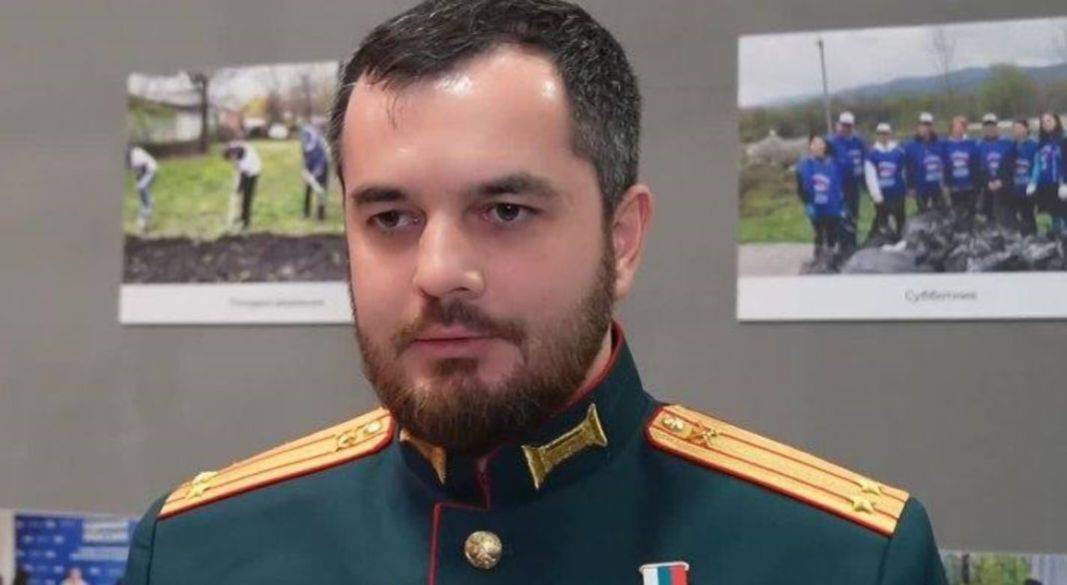
Yury Abayev, whom Ukrainian military intelligence has accused of involvement in the execution of Ukrainian soldiers who had surrendered, has been appointed Deputy Prime Minister of North Ossetia. Previously, he served as the republic’s Minister of Labor and Social Protection.
The appointment decree was signed by the head of the republic, Sergey Menyailo. He explained the promotion by citing the need to provide war veterans with a pathway to transition from military service to government roles.
"I believe it is important to ensure that graduates of the 'Time of Heroes' program have a smooth transition from service in the 'special military operation' zone to civilian life, and to give them the opportunity to gain managerial experience. This is one of the steps toward fulfilling the objective set by the President," Menyailo stated.
Born in Vladikavkaz in 1990, Abayev is a graduate of the Moscow Higher Military Command School. Prior to his government appointment, he served in the Russian Armed Forces, commanding the 70th Motorized Rifle Regiment stationed in the Chechen town of Shali. In May 2024, he was appointed Minister of Labor and Social Protection of North Ossetia. He has also been awarded the title of Hero of Russia, along with several other military decorations.
In June 2024, the Main Directorate of Intelligence (GUR) of the Ukrainian Ministry of Defense announced that it had identified Russian military personnel involved in the execution of Ukrainian soldiers near the village of Robotyne in the Zaporizhzhia region. According to Ukrainian intelligence, in May of that year, members of an assault group from the 70th Motorized Rifle Regiment killed four Ukrainians who had emerged from their positions unarmed and with their hands raised, signaling their intent to surrender. At the time, Abayev was the commander of the regiment.
The GUR stated that its conclusions were based, in part, on intercepted radio communications. In addition to Abayev, intelligence sources have named three other officers from the regiment whom they believe to be involved in the killing of prisoners. There is no information in the public domain regarding any legal proceedings concerning this case.