The Council of Europe Ombudsman intends to intervene in the ECHR against Georgia's "Foreign Agents Registration Act."
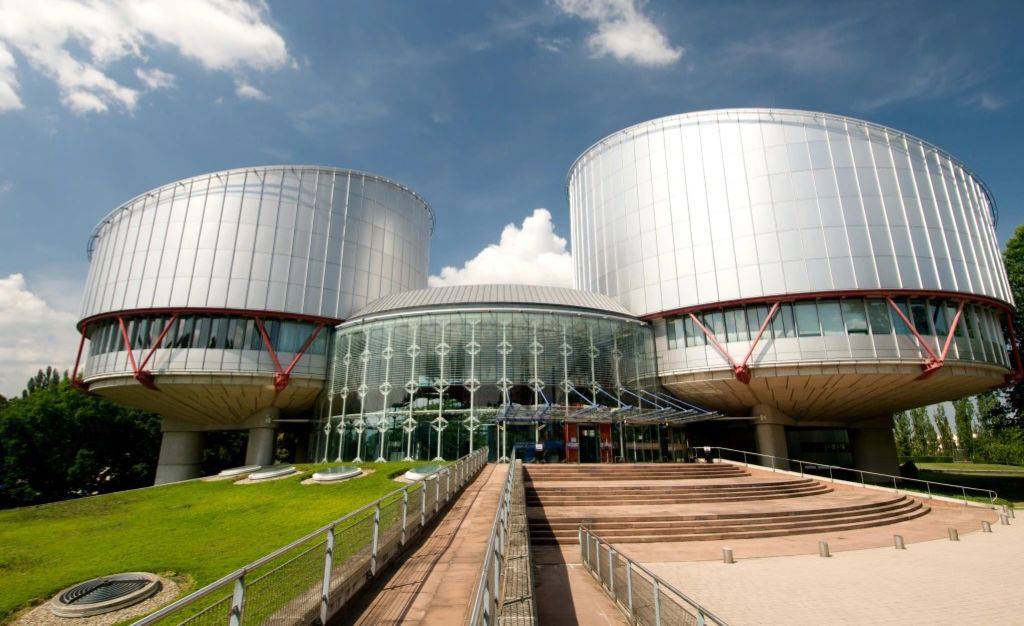
The Council of Europe Commissioner for Human Rights has submitted a written position to the European Court of Human Rights (ECHR) on the Georgian Foreign Agents Registration Act (FARA), calling on the country's authorities to ensure a safe working environment for the civil society. This was reported by the Georgian Young Lawyers' Association (GYLA).
According to GYLA, the Commissioner filed a petition with the ECHR seeking to intervene as a third party in the FARA case. In his submission to the court, he not only analyzed the controversial law but also considered it in the context of other legislative changes adopted in Georgia over the past two years.
As a reminder, on May 31, the so-called "direct copy" of the American Foreign Agents Registration Act officially entered into force in Georgia, replacing the "Russian" version of the "Foreign Influence Transparency Act," also known as the "foreign agent" law.
According to the young lawyers, the Commissioner previously acted as a third party in a case pending before the ECHR regarding the so-called "Russian law."
The Commissioner believes that FARA is part of a broader set of restrictions on civil society. He believes that its provisions may contradict the requirements of the European Convention on Human Rights regarding the legality, legitimacy, necessity, and proportionality of restrictions on freedom of expression and association, as well as the prohibition of discrimination.
The document also notes the vagueness of the law's wording. In particular, the concept of "political activity" is interpreted so broadly that organizations may find it difficult to determine whether they fall under it. According to the Commissioner, this also blurs the line between ordinary international cooperation and alleged foreign interference.
The law provides for administrative oversight of organizations and individuals receiving foreign funding, and willful violation of the established requirements carries criminal penalties of up to five years in prison. The Council of Europe Ombudsman compares the level of oversight to Russian legislation on "foreign agents."
He also draws attention to the very use of the word "agent." In his opinion, this term has a negative social connotation and may contribute to the stigmatization of non-governmental organizations and human rights defenders. He notes that the rhetoric of Georgian government officials, who refer to parts of civil society as "enemies of the state," further exacerbates this effect.
The document also emphasizes that the restrictions apply specifically to those organizations and individuals who receive foreign funding. The Commissioner considers this differentiated approach unjustified and admits that the ECHR may perceive the combined measures as an attempt to intimidate organizations critical of the government and discredit civil society activists.
Separately, the CoE Ombudsman draws attention to the Foreign Influence Transparency Act, which entered into force approximately six months before the adoption of FARA. It requires media outlets and organizations that receive more than 20% of their funding from abroad to register as "conduits for the interests of a foreign power." Both laws remain in effect concurrently.
The Commissioner recalled that on April 1, 2025, Parliament also amended 14 legislative acts, abolishing the mandatory participation of civil society organizations in government decision-making. On the same day, regulations for audiovisual media were tightened: "foreign forces" were prohibited from directly or indirectly funding broadcasters and purchasing their services. The National Communications Commission was given additional powers, including the ability to issue warnings, fine broadcasters, and suspend and revoke licenses.
Restrictions, as the Commissioner notes, have also been steadily expanded in the area of grants. Following the amendments of April 16, 2025, foreign donors required government approval to issue grants, and accepting an unapproved grant carries a fine of twice the amount of the grant. In June of that year, the definition of a grant was expanded to include technical assistance—the transfer of technology, knowledge, and expert services.
On March 4, 2026, the definition of a grant was further expanded to include any financial or material resources that could be used to influence government or society. Permits also became required for grants to foreign legal entities if their activities are related to Georgia. At the same time, the legislation introduced administrative liability for commercial organizations for "political activity," with repeated violations subject to criminal penalties. Violating the grant law carries a prison sentence of up to six years, while money laundering for the purpose of "political activity" carries a prison sentence of up to 12 years.
The changes also affected the political rights of civil society employees. Those employed by organizations whose annual income comes from foreign sources for more than 20% were banned from joining political parties for eight years after their dismissal.
Amendments to the Law on Freedom of Speech and Expression, adopted on June 26, 2025, changed the definition of defamation and shifted the burden of proof from the plaintiff to the defendant. The Commissioner believes this could encourage self-censorship.
He specifically noted the legislative measures adopted following the protests. He assessed that parliament, in a short timeframe and without consulting civil society or the Public Defender of Georgia, adopted a number of acts that significantly restricted freedom of assembly.
The Council of Europe Commissioner considers support for civil society a necessary condition for a functioning democracy. He called on the Georgian Dream authorities to fulfill their international obligations and ensure an open and safe environment in which civil society organizations and human rights defenders can continue their work.