Pashinyan Warns of the “Beginning of the End” for the EAEU
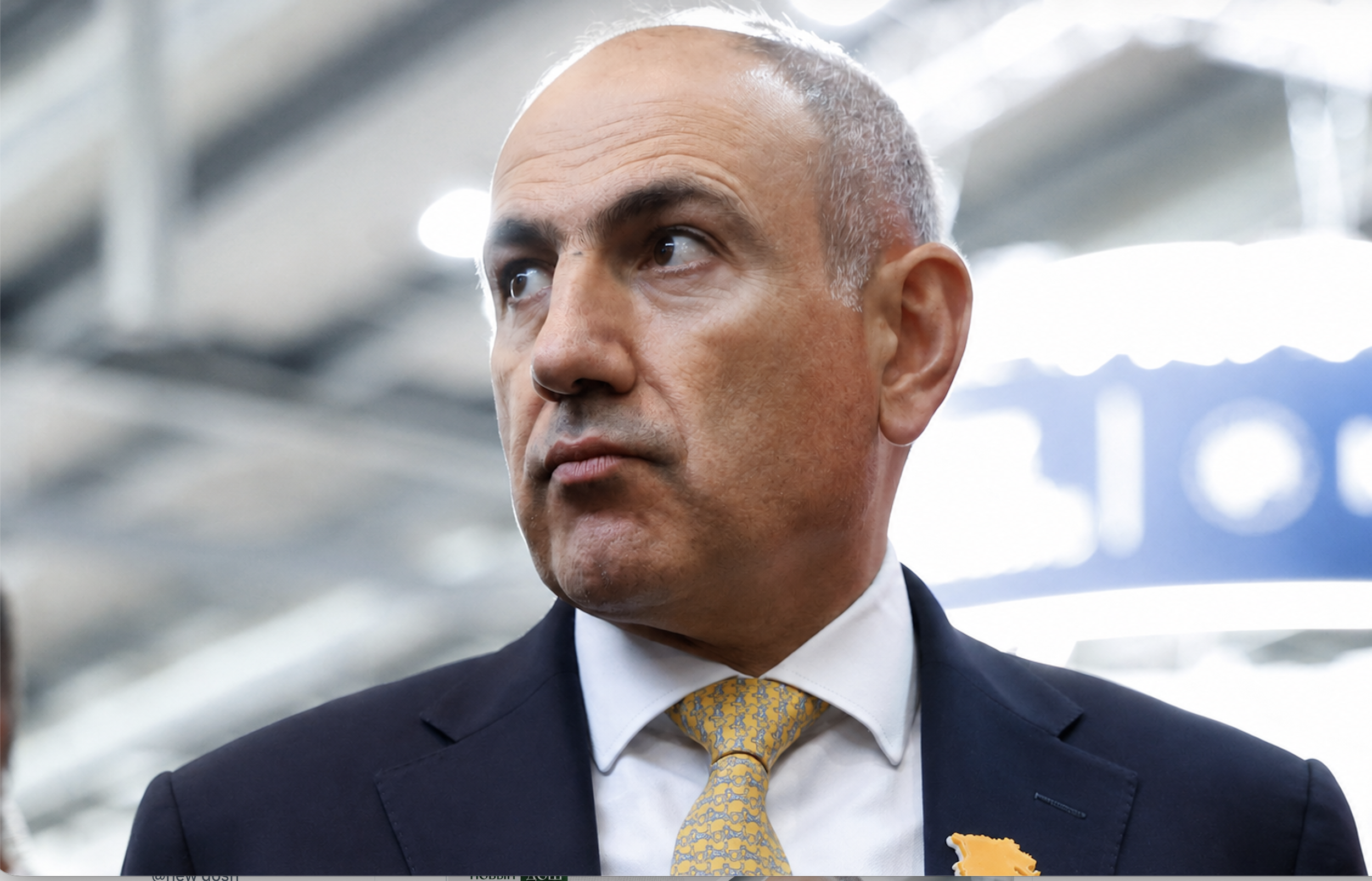
Armenian Prime Minister Nikol Pashinyan has warned that Russia’s restrictions on Armenian exports are calling into question the future of the Eurasian Economic Union (EAEU), saying the dispute could mark “the beginning of the end” for the Moscow-led bloc if it is not resolved soon.
His remarks come amid an escalating trade dispute between Moscow and Yerevan, which Armenian officials say undermines the fundamental principles on which the Eurasian Economic Union is based.
“The problem is not Armenia — the problem is the EAEU, because it turns out that the Eurasian Economic Union is paralysed and no longer functions. If this issue is not resolved quickly, let me predict that this will become the beginning of the end of the EAEU,” Pashinyan said.
The prime minister argued that the dispute over Armenian exports extends far beyond a bilateral disagreement with Russia and instead strikes at the core principles governing the regional economic bloc.
Pashinyan also commented on the possibility of holding a referendum on Armenia’s geopolitical orientation, including a choice between membership of the Eurasian Economic Union and the European Union. He said such a vote could only be considered after Armenia formally submits an application to join the EU.
The Armenian leader said he had discussed the issue during a telephone conversation with Russian President Vladimir Putin. According to Pashinyan, the two sides managed to reach common ground on several issues.
“The most important thing is that the Republic of Armenia has the legitimate right to create alternatives for itself. I told the President of Russia that we have embarked on this path and will continue to follow it, especially now that the people of the Republic of Armenia have also voted in favour of it,” he said.
Trade relations between Moscow and Yerevan have deteriorated sharply in recent months. At the end of May, Russia’s agricultural watchdog banned imports of Armenian flowers before extending restrictions to tomatoes, cucumbers, herbs, strawberries, fruit, vegetables, dried fruit and dairy products.
Against that backdrop, the European Union has stepped up its support for Armenia. In June, the European Commission allocated €34 million to help offset the impact of the Russian trade restrictions. Brussels also decided to lower tariffs on most Armenian exports.
In early July, European Commission President Ursula von der Leyen announced that the EU intends to grant duty-free access to nearly 80% of Armenian exports. Armenia is also set to receive an additional €18 million to support the development and diversification of its foreign trade.