The EU Ambassador stated that Georgia is no longer among the countries moving toward EU membership

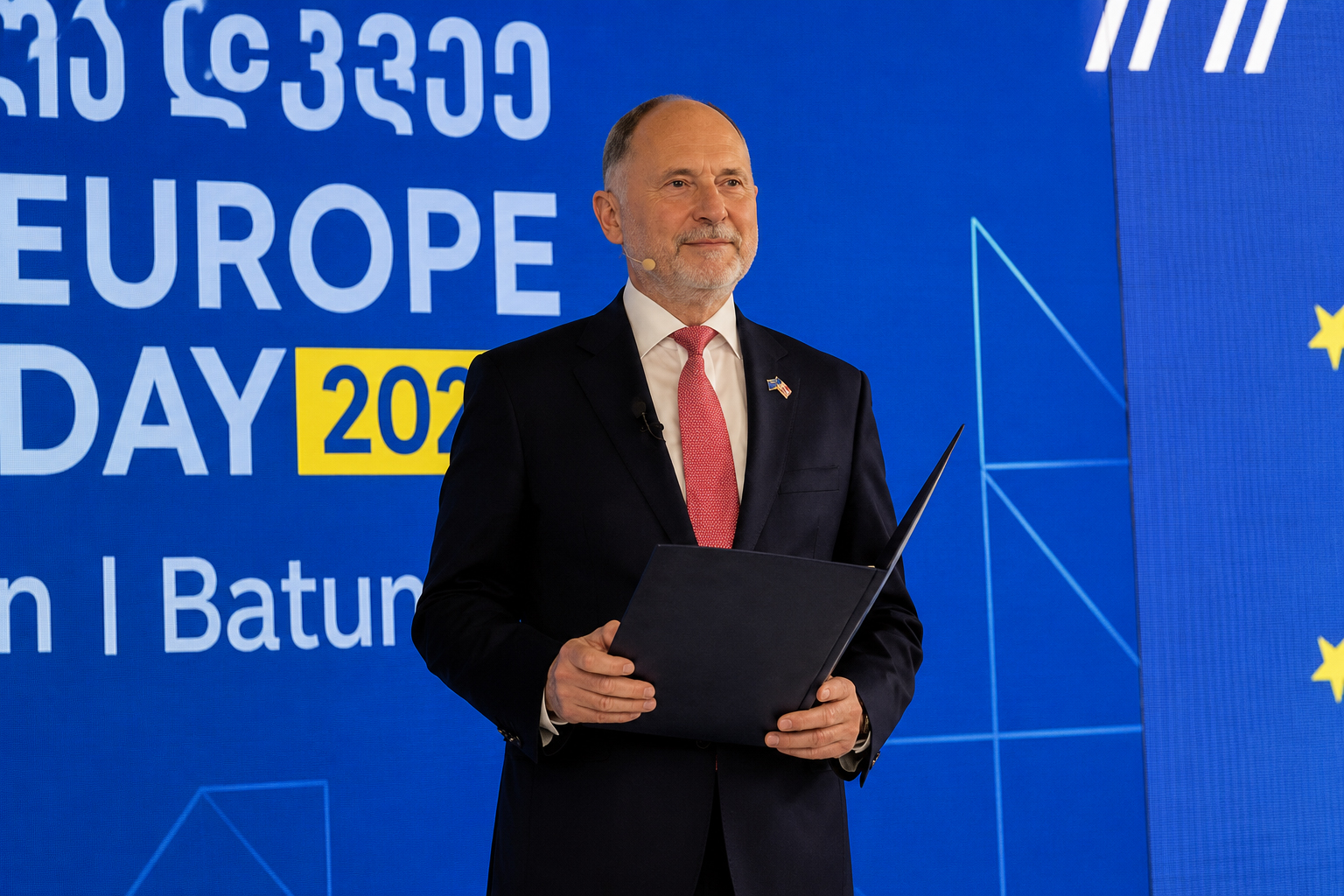
Georgia is no longer among the countries moving toward EU membership. EU Ambassador to Georgia Pavel Gerchinsky stated this while speaking at an event marking Europe Day in Batumi.

The diplomat recalled that the EU has been Georgia's partner for over three decades and has not changed its attitude toward the country. At the same time, he emphasized, the EU's own rules remain unchanged: the path to membership is only possible through adherence to democratic principles.

Gerchinsky called Batumi "the pearl of the Black Sea" and a city where different cultures, traditions, and life experiences intertwine. According to him, it is diversity and adherence to common rules that have formed the foundation of European peace and development for nearly 80 years.

Speaking about the EU's enlargement, the ambassador noted that the union continues to accept countries that share its values.

"Unfortunately, Georgia is not among them." "We haven't lost hope that this is temporary," he lamented.

According to the diplomat, EU support has remained unchanged for over 30 years, but the conditions for progress toward membership also remain the same: the process "is based on democratic development."

The statement by the head of the EU diplomatic mission comes amid a continuing cooling of relations between Tbilisi and Western institutions. The day before, Georgian Prime Minister Irakli Kobakhidze sharply criticized the "Hague Declaration" adopted by the OSCE Parliamentary Assembly, which criticizes the situation with democracy and human rights in the country. Before the vote on the document, the Georgian delegation demonstratively walked out of the meeting. The head of government stated that the text of the resolution, adopted despite the demarche, "doesn't even deserve an assessment."
Последние новости
Crimean Tatar political prisoner, sentenced to 17 years in a
Human rights
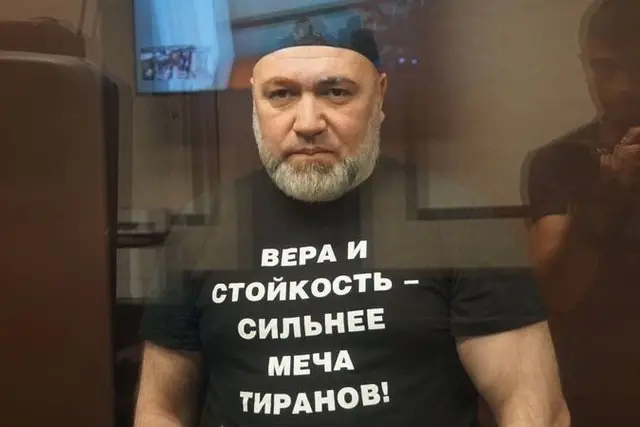
Crimean Tatar political prisoner, sentenced to 17 years in a "Hizb ut-Tahrir" case, dies in a Murmansk penal colony
29 November 2026

Jebbar Bekirov, a 56-year-old Crimean Tatar political prisoner, has died in a Russian penal colony in the Murmansk region. He was serving a 17-year sentence in connection with the case of the so-called "second Sevastopol group" of Hizb ut-Tahrir. His death was announced on November 28 by Eskender Bariiev, head of the Crimean Tatar Resource Center (CTRC). The cause of death is not yet known.

Mother of Ossetian athlete who went missing in Dagestan asks Elon Musk to check satellite data
Society
Mother of Ossetian athlete who went missing in Dagestan asks Elon Musk to check satellite data
29 November 2026

Diana Tsomartova, the mother of Anna Tsomartova—an athlete who went missing in Dagestan—has appealed to American entrepreneur Elon Musk for help in the search for her daughter. She hopes that satellites or other space-based assets belonging to his companies might have captured events that took place along the Caspian Sea coast on the day the young woman disappeared.

Tsarukyan’s party challenges Armenian election results in courts in Yerevan and Strasbourg
Politics
Tsarukyan’s party challenges Armenian election results in courts in Yerevan and Strasbourg
29 November 2026

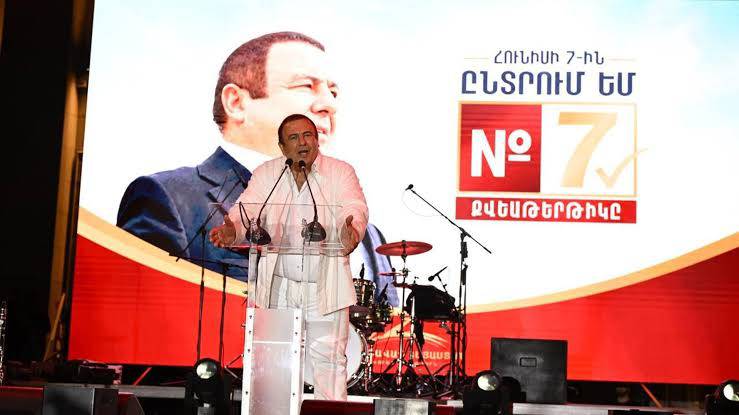
The opposition "Prosperous Armenia" party, led by businessman Gagik Tsarukyan, has filed three new appeals with the Constitutional Court of Armenia and submitted an application to the European Court of Human Rights (ECHR) regarding the results of the June 7 parliamentary elections. The party asserts that errors during the vote count and decisions made by the Central Election Commission (CEC) deprived it of parliamentary representation.

Mass protest in Tbilisi marks two years since Georgia froze its EU accession process
Society
Mass protest in Tbilisi marks two years since Georgia froze its EU accession process
28 November 2026

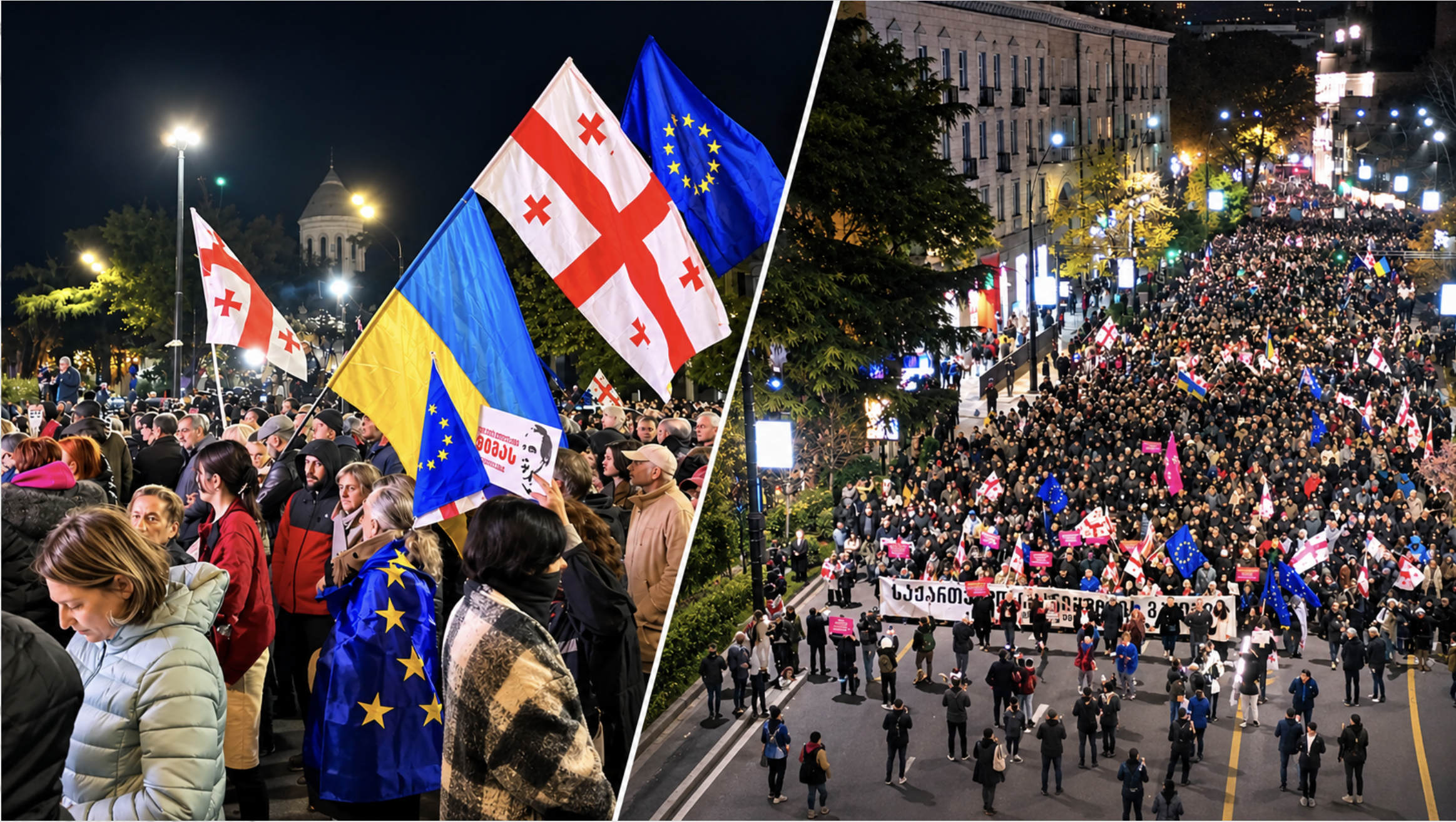
A large-scale anti-government demonstration is taking place in Tbilisi this evening, marking the second anniversary of the start of sustained pro-European protests. Over the past two years, hundreds of protesters have been detained, dozens have been imprisoned, relations between Tbilisi and Brussels have deteriorated sharply, and five leading opposition parties are facing a possible ban.