New car sales in Russia’s North Caucasus fall by 21%
New car sales across Russia’s North Caucasus fell by 21% in July compared with the same month last year. The sharpest decline was recorded in Dagestan, where the new-car market nearly halved over the year.
According to Avtostat Info, cited by RBC Caucasus, 3,700 new cars were registered across the North Caucasus Federal District (NCFD) in July. Between January and July, 25,400 new vehicles were sold, 16% fewer than during the same period a year earlier.
More than half of all new cars sold in the district were registered in Stavropol Krai, which accounted for more than 55% of the market. Dagestan accounted for 12%, Kabardino-Balkaria for 9.8%, North Ossetia for 9% and Chechnya for 8%. The remaining regions each accounted for less than 5%.
In Stavropol Krai, 2,080 new cars were registered in July, down 13% from a year earlier. Sales for the first seven months fell by 3%, to 13,300 vehicles.
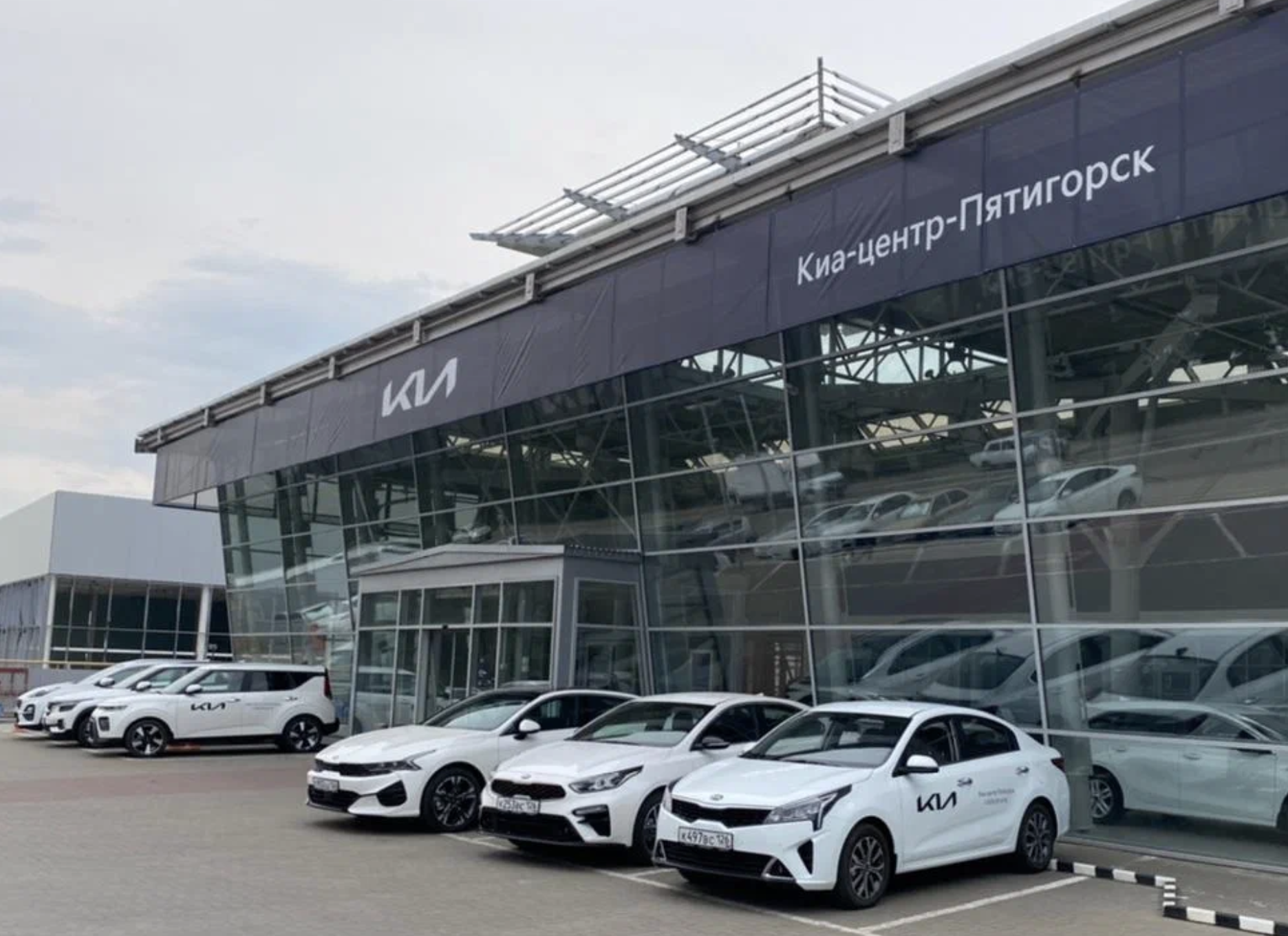
AvtoVAZ remained the most popular brand in the region, with 803 cars sold in July, 14% fewer than a year earlier. Haval sales, by contrast, rose by 25% to 181 vehicles. Geely ranked third with 142 cars, down 13% year on year. Tenet and Changan also made the top five.
The steepest decline among the regions covered by the study was recorded in Dagestan. Just 460 new cars were sold there in July, roughly half the number recorded a year earlier. Sales for January-July fell by 46% to 3,700 vehicles.
AvtoVAZ retained its leading position in Dagestan, although its July sales fell by 56% to 211 cars. Toyota sold 43 vehicles, down 57% year on year. Kia, which ranked third, was an exception: its sales rose by 30% to 34 cars.
Mikhail Zakharenko, director of Avto.ru in Russia's Southern Federal District, attributed the sharp percentage fluctuations in Dagestan partly to the relatively small size of the region's new-car market. Changes involving just a few dozen vehicles can have a significant impact on the statistics, he said.
Experts also attribute the overall decline in demand across the North Caucasus to falling purchasing power, high borrowing costs and a shift by consumers towards used cars.
Another factor is the continuing fuel shortage in southern Russia. Alexei Tuzov, an independent transport industry expert, said long queues at petrol stations were prompting some motorists to switch to vehicles fitted with LPG systems. According to his figures, the waiting list for LPG installation in Stavropol Krai has reached three months, while the cost of the work has increased by 30–50%.
New-car sales in the North Caucasus were already down 15% in the first half of 2026. A total of 21,600 new vehicles were registered across the district during the first six months of the year.