Media: Israel Pulls "Armenian Genocide" Recognition Vote Under Pressure from Azerbaijan
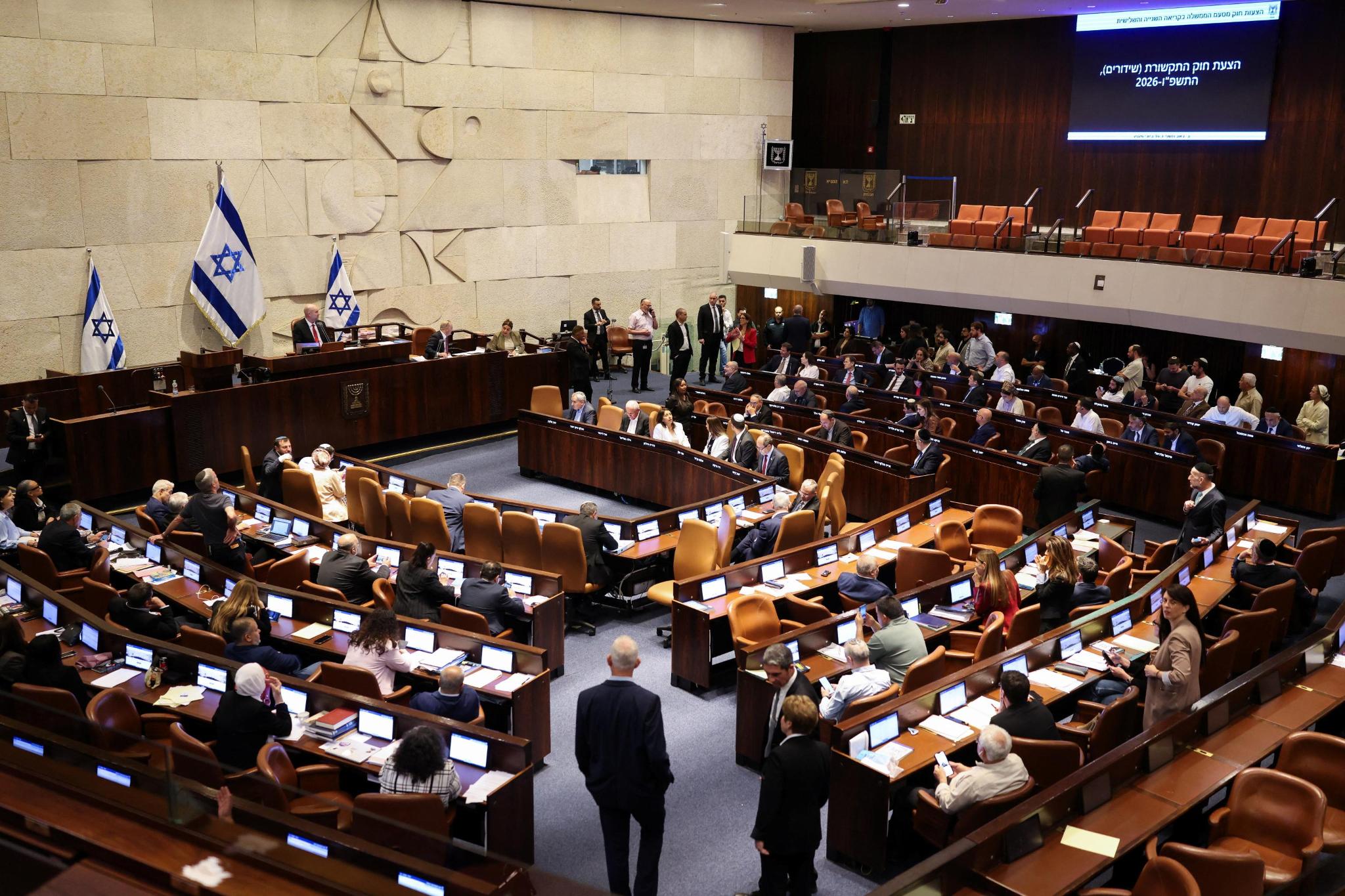
Israeli authorities decided not to put the issue of recognizing the "Armenian genocide" to a vote in the Knesset following intervention by Azerbaijan. According to *Maariv* and *Haaretz*, the move was prompted by concerns regarding strategic relations with Baku, a key partner for Israel in the security and energy sectors.
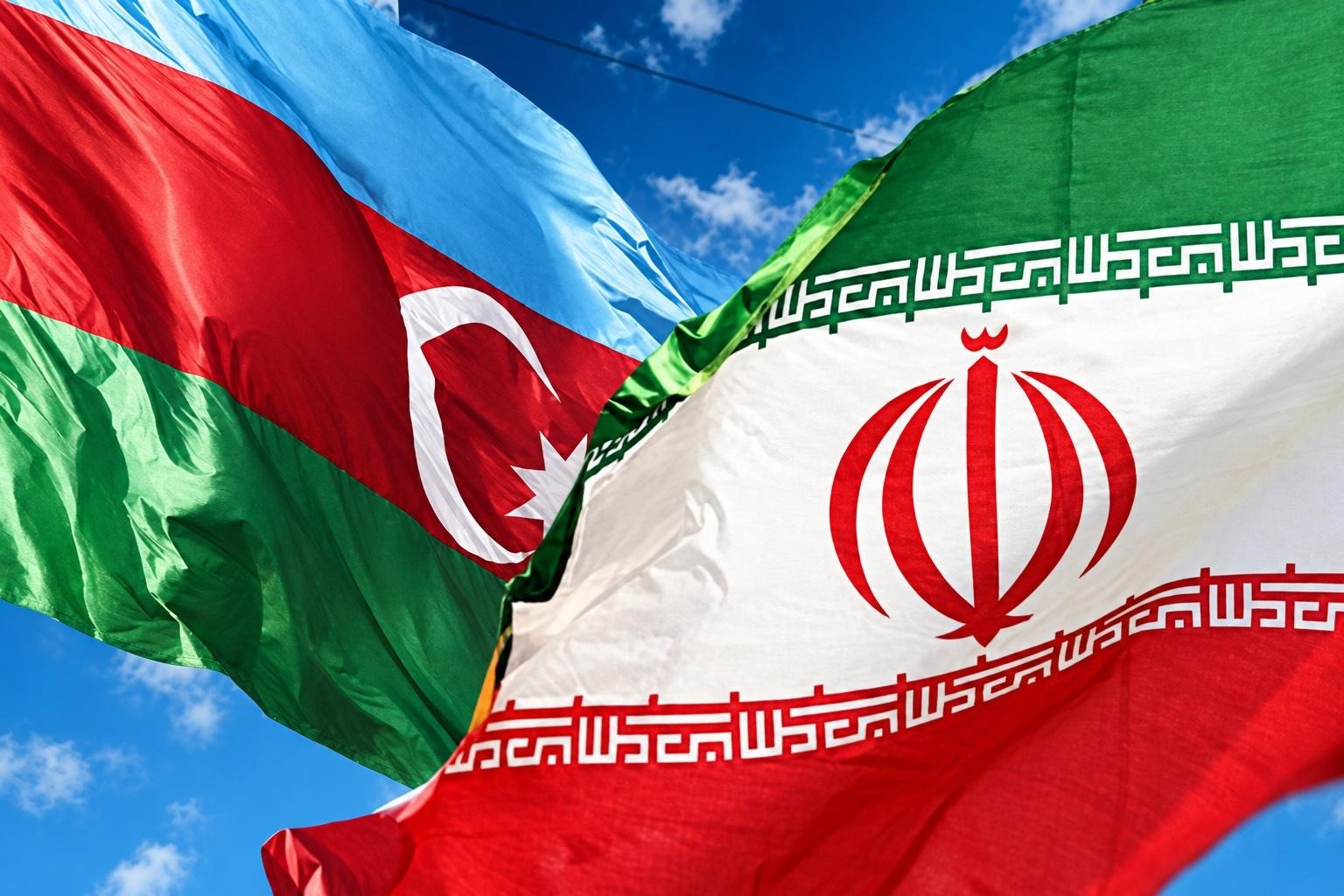
Media reports indicate that in late June, Azerbaijani Foreign Minister Jeyhun Bayramov expressed dissatisfaction to his Israeli counterpart, Gideon Sa'ar, regarding the Israeli government's decision to recognize the events of 1915 as the "Armenian genocide." Despite Baku's protest, the Israeli cabinet had unanimously supported the decision.
*Maariv* reports that prior to the Knesset's consideration of the matter, representatives of Azerbaijan's Jewish community and Israeli officials reminded lawmakers of the strategic importance of ties with Baku. Key factors included Azerbaijani oil supplies—which account for over 40% of Israel's raw material imports—as well as cooperation on security and countering Iran.
Subsequently, the Shas and United Torah Judaism parties—members of the ruling coalition—refused to guarantee their support for the initiative. Lacking assurance of a majority, Prime Minister Benjamin Netanyahu decided to remove the item from the parliamentary agenda before the Knesset's summer recess. Consequently, while the government's decision remains in effect, it did not receive parliamentary ratification.
The office of the Israeli Foreign Minister denied reports that the vote had been blocked on the Prime Minister's orders, emphasizing that the government's decision stands and will not be revoked.
Following the Israeli government's initial decision, Azerbaijan's Foreign Ministry had already called on Tel Aviv to reconsider its position. Baku stated that recognizing the "Armenian Genocide" constitutes a "distortion of historical facts regarding the events of 1915," lacks sufficient legal and scholarly grounds, and could damage bilateral relations.
Official Yerevan reacted with restraint to the postponement of the vote. Prime Minister Nikol Pashinyan declined to comment on Israel's decision, stating that Armenia has no intention of participating in the "politicization" or "weaponization" of the genocide recognition issue. No further official statements were issued by the Armenian authorities following the vote's postponement.
Previous attempts to secure official recognition of the "Armenian Genocide" in Israel have been made repeatedly; however, the country's parliament has never adopted such a resolution, despite discussions in Knesset committees and support from some Israeli politicians.
Several weeks ago, Israeli Foreign Minister Gideon Sa'ar explained the government's decision in terms of "historical justice," calling it a "moral" and historical duty for the country and declaring that "it is never too late to do the right thing." Now, however—judging by reports in the Israeli media themselves—it turns out that this "moral duty" can well afford to wait when the state's strategic interests are at stake, at least until the issue of recognition once again becomes relevant to the political agenda.