The US has criticized the fight against "hate speech" in Georgia: "More free speech, not forced silence"
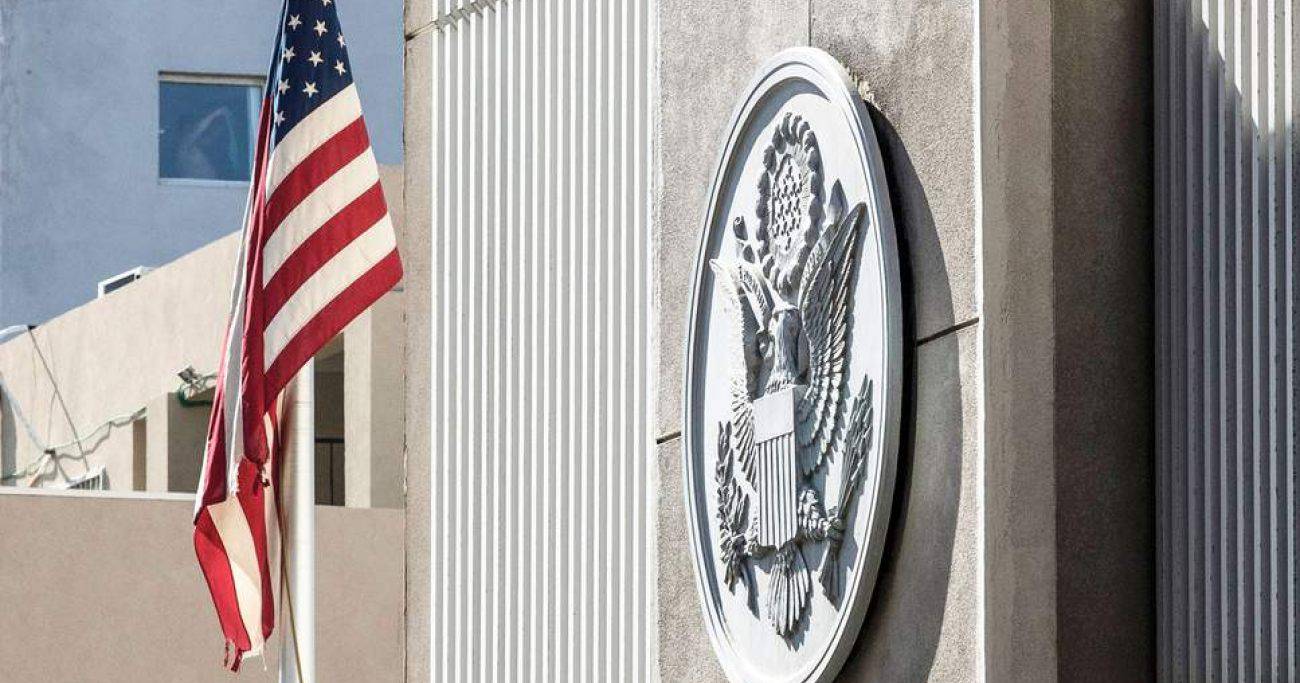
The US Embassy in Georgia has criticized the creation of a new Interior Ministry unit tasked with combating so-called online hate speech. The statement was issued in response to a query from the Georgian service of Radio Liberty regarding the detention of journalist Vakho Sanaia.
"The Trump administration has made it clear that the United States considers freedom of speech a fundamental pillar of a functioning society and strongly opposes censorship and restrictive laws used to suppress individuals holding unpopular views," the diplomatic mission stated.
US diplomats also noted that they had previously discussed this issue with Georgian authorities.
"As we have told our Georgian partners, political stability requires a political opposition that participates in the work of state institutions on behalf of the citizens who elected it. Political stability rooted in broad representation of diverse views is one of the factors that make Georgia a reliable US partner in investment, security, and long-term strategic cooperation," the embassy noted.
The mission also commented specifically on the creation of the new Interior Ministry department for countering online hate speech.
"We are concerned about the creation of a government unit to combat hate speech. The best response to falsehoods and misguided views is more free speech, not forced silence," the statement read.
The new unit began operations on June 1. Since then, there has been a noticeable increase in Georgia in legal proceedings related to social media posts. Notably, courts have already issued several binding rulings imposing fines for offensive posts directed at Bera Ivanishvili—the son of Bidzina Ivanishvili, founder of the ruling "Georgian Dream" party. According to Georgian media reports, the number of such cases has risen noticeably since the launch of the new unit.
This criticism comes amidst repeated attempts by the Georgian Dream government to mend ties with the Donald Trump administration. Despite Tbilisi’s expectation that the new U.S. administration’s more pragmatic foreign policy—and its reduced emphasis on promoting democratic values—would help ease bilateral tensions, Washington continues to publicly criticize actions by the Georgian authorities that the U.S. views as restricting political competition and freedom of speech.