US Congressman Promises New Resolution in Response to Georgian Delegation’s Walkout at OSCE PA


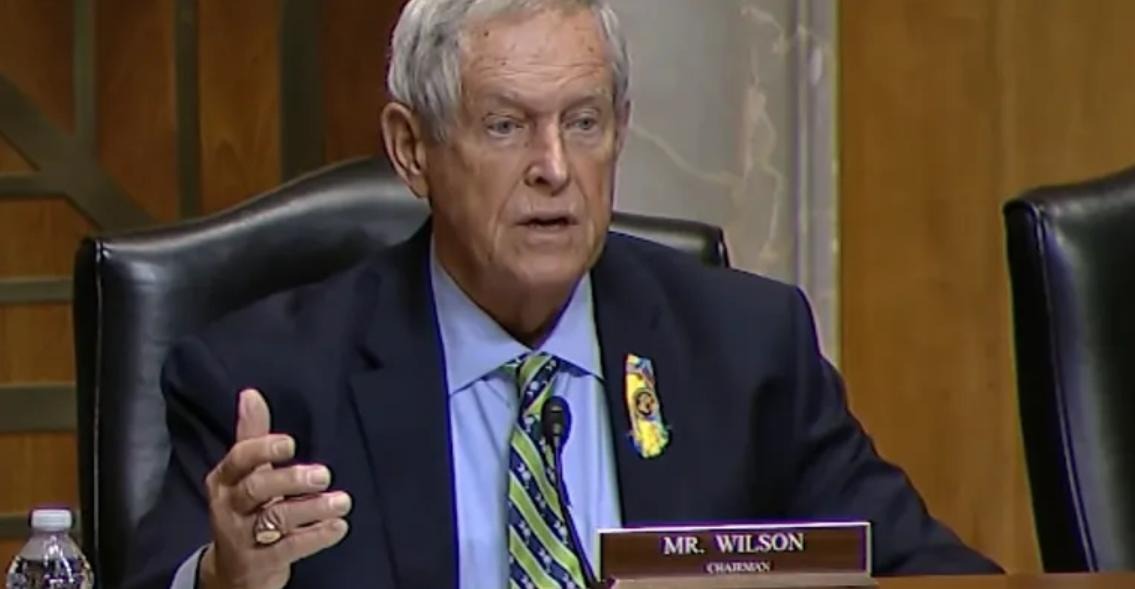
US Congressman Joe Wilson sharply criticized the Georgian delegation's decision to walk out of the OSCE Parliamentary Assembly meeting in The Hague during the debate on a resolution concerning Georgia. He called the move "shameful" and indicated that the issue would be raised again at the organization's next annual session.

"Just wait and see what we adopt at the next annual session of the OSCE Parliamentary Assembly in Charleston," Wilson wrote on X.

The politician also welcomed the adoption of the document he had drafted, calling it "an important step in support of President Trump’s strong foreign policy agenda and against war criminal Putin’s attacks on our allies in Eastern Europe."

Shortly before this, Wilson had assumed the chairmanship of the OSCE PA Committee on Political Affairs and Security.

His statement was prompted by the Georgian delegation's departure from the assembly meeting in The Hague. Representatives from Tbilisi refused to participate in the vote on the resolution regarding the situation in the country and walked out of the hall. Nikoloz Samkharadze, Chairman of the Parliamentary Committee on Foreign Relations, explained that, in the Georgian side's view, certain provisions of the declaration did not reflect the actual situation and ran counter to national interests.

Despite Tbilisi's protest, the majority of participants supported the Hague Declaration. The document calls for an investigation into potential election irregularities in Georgia, the release of political prisoners, and the abandonment of laws that—according to the authors—restrict political and civil liberties.

Following the incident, OSCE PA President Pere Joan Pons Sampietro stated that the absence of delegations from the meeting hall never contributes to the resolution of political conflicts.
Последние новости
Crimean Tatar political prisoner, sentenced to 17 years in a
Human rights
Crimean Tatar political prisoner, sentenced to 17 years in a "Hizb ut-Tahrir" case, dies in a Murmansk penal colony
29 November 2026

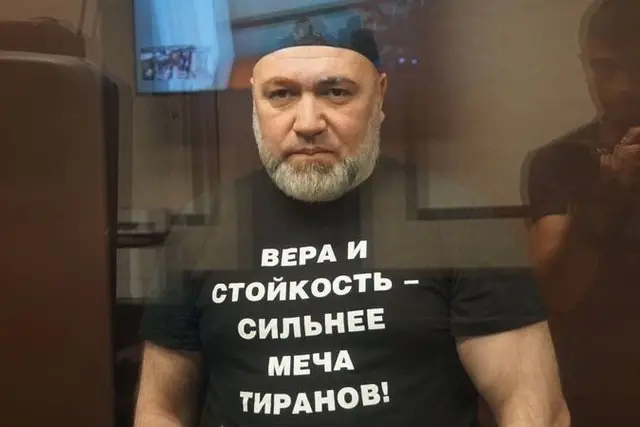
Jebbar Bekirov, a 56-year-old Crimean Tatar political prisoner, has died in a Russian penal colony in the Murmansk region. He was serving a 17-year sentence in connection with the case of the so-called "second Sevastopol group" of Hizb ut-Tahrir. His death was announced on November 28 by Eskender Bariiev, head of the Crimean Tatar Resource Center (CTRC). The cause of death is not yet known.

Mother of Ossetian athlete who went missing in Dagestan asks Elon Musk to check satellite data
Society
Mother of Ossetian athlete who went missing in Dagestan asks Elon Musk to check satellite data
29 November 2026

Diana Tsomartova, the mother of Anna Tsomartova—an athlete who went missing in Dagestan—has appealed to American entrepreneur Elon Musk for help in the search for her daughter. She hopes that satellites or other space-based assets belonging to his companies might have captured events that took place along the Caspian Sea coast on the day the young woman disappeared.

Tsarukyan’s party challenges Armenian election results in courts in Yerevan and Strasbourg
Politics
Tsarukyan’s party challenges Armenian election results in courts in Yerevan and Strasbourg
29 November 2026

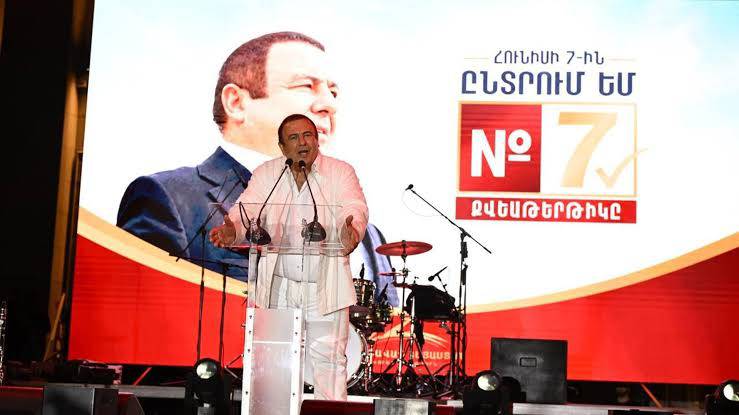
The opposition "Prosperous Armenia" party, led by businessman Gagik Tsarukyan, has filed three new appeals with the Constitutional Court of Armenia and submitted an application to the European Court of Human Rights (ECHR) regarding the results of the June 7 parliamentary elections. The party asserts that errors during the vote count and decisions made by the Central Election Commission (CEC) deprived it of parliamentary representation.

Mass protest in Tbilisi marks two years since Georgia froze its EU accession process
Society
Mass protest in Tbilisi marks two years since Georgia froze its EU accession process
28 November 2026

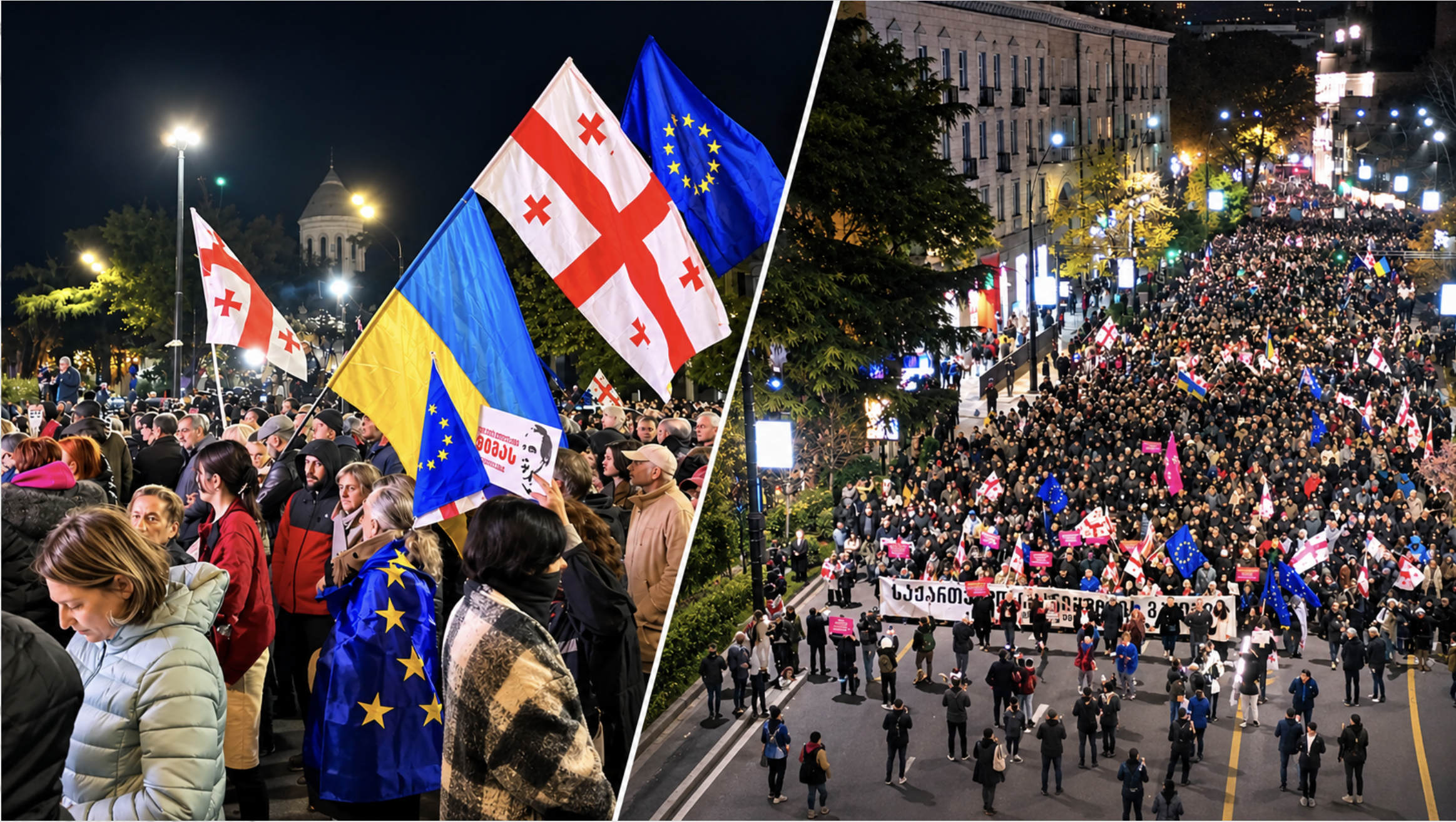
A large-scale anti-government demonstration is taking place in Tbilisi this evening, marking the second anniversary of the start of sustained pro-European protests. Over the past two years, hundreds of protesters have been detained, dozens have been imprisoned, relations between Tbilisi and Brussels have deteriorated sharply, and five leading opposition parties are facing a possible ban.