University and Private Clinic in Grozny Develop AI System to Speed Up Dental Prosthesis Preparation
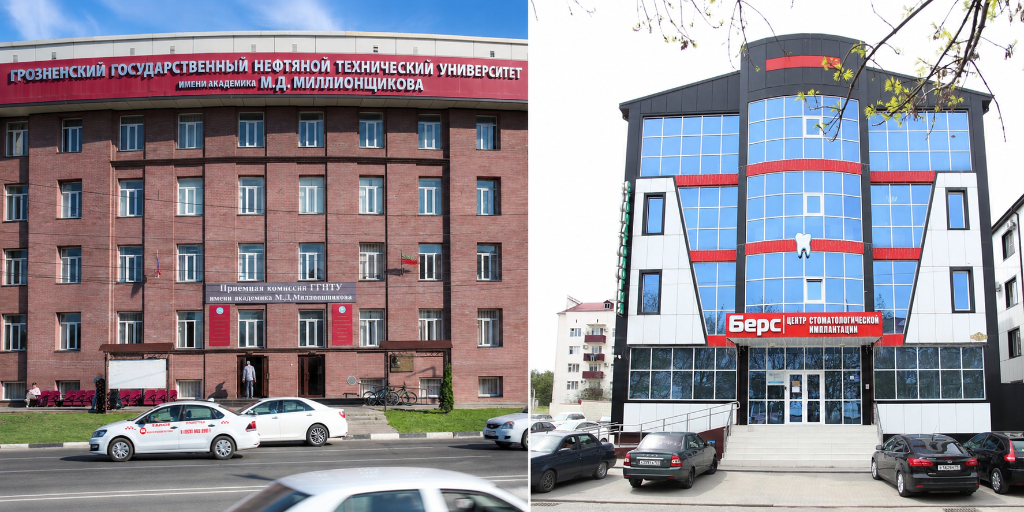
Grozny State Oil Technical University (GGNTU) and the "Bers" dental center are collaborating on an artificial intelligence system for digital dentistry. The project aims to automate tooth modeling based on 3D scans; the developers estimate this will significantly reduce the time required to prepare for prosthetic procedures.
The news agency "Chechnya Segodnya" reported on the development. According to the agency, the system is designed to automate one of the most labor-intensive stages of digital prosthetics. Currently, following a 3D scan of the jaw, specialists manually model each tooth to create a digital model of the planned prosthetic appliance.
The algorithm is designed to automatically identify teeth within 3D models, reconstruct their shape and position, and then generate the model necessary for designing crowns, bridges, and other dental prosthetics.
University representatives state that the project is currently in its early stages. The team notes that while the algorithm can already generate basic tooth models, its accuracy is not yet sufficient for clinical use.
To train the algorithm, the team is using annotated 3D jaw scans. Mansur Arsanukaev, head of the university's "Hipark" facility, explained that 15 students are manually annotating the models by isolating each individual tooth. The developers aim to reduce the processing time for a single clinical case from the current 10–12 hours to approximately 30 minutes.
The project team notes that foreign companies are developing similar technologies. However, GGNTU claims that some of these solutions are unavailable on the Russian market, prompting the team to create its own system. If the project is successfully completed and patented, there are plans to offer the technology to dental clinics across various regions of Russia. The Bers Center emphasizes that artificial intelligence is viewed not as a replacement for the physician, but as a tool to accelerate the fabrication of dental prosthetics and reduce the volume of routine work for specialists. At the same time, the project team acknowledges operating in an environment of intense international competition: several major foreign groups are conducting similar research simultaneously, and the market for such technologies is becoming increasingly closed.