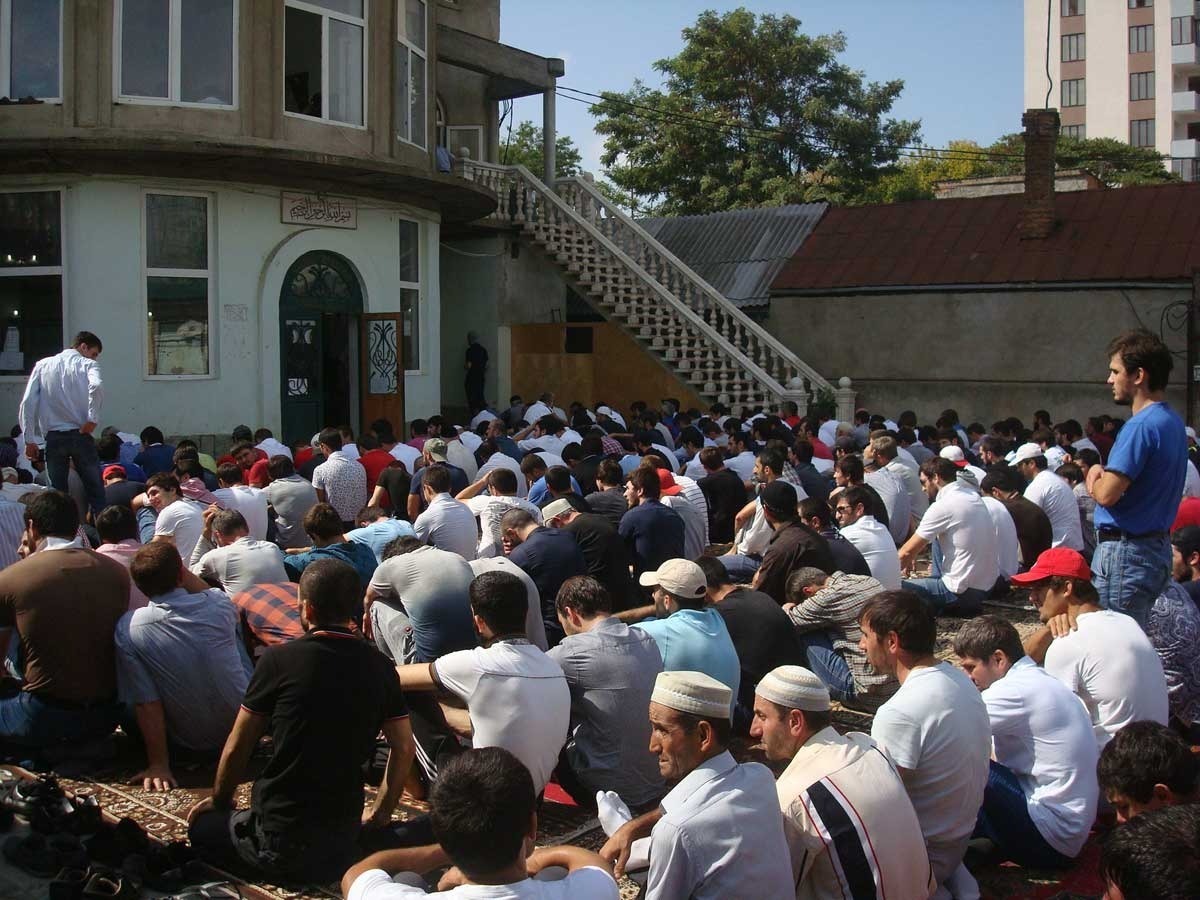
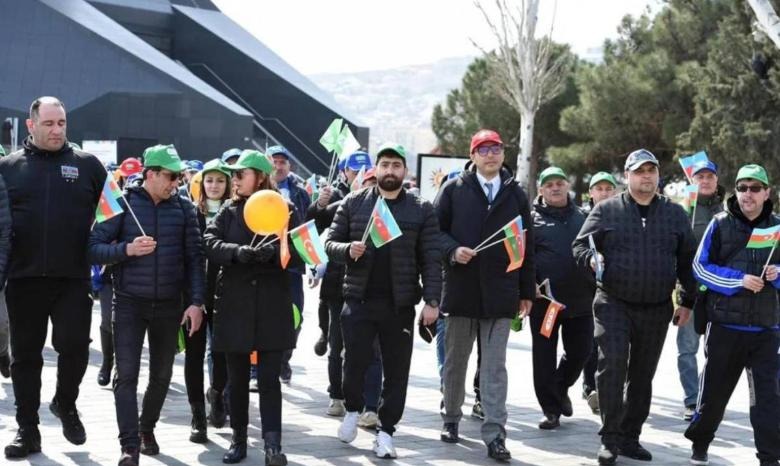
In Dagestan, protesters began to be subject to police surveillance
In addition to the previously widespread professional assessment under the category of “religious extremism,” the authorities of Dagestan began to practice persecution of citizens for their participation in protests. This was reported by the Memorial Human Rights Protection Center.
Previously, Muslims allegedly professing “non-traditional movements of Islam” appeared on the lists of those put on the police list for professional investigations. But often random people ended up there, for example, women who wear a niqab. In this regard, people who fell out of favor were subjected to various “preventive measures”: checks at regional borders, surveys, house searches, taking DNA samples and fingerprints, and so on.
Now, according to human rights activists, preventive registration has appeared in Dagestan under the category “violator of MM” (mass events). For example, during rallies against military mobilization that took place in Makhachkala and other cities on September 25-26, 2022, security forces detained protesters en masse. About 400 people were taken to police stations. Protocols on administrative offenses were drawn up against many of them. Then citizens began to find out that they had been put on the job security list.
At the end of 2023, the Memorial Center sent an appeal to the UN Special Rapporteur on Human Rights in Russia, Mariana Katsarova, on the situation with the labor accounting in Dagestan. The Center for Human Rights asked to intervene in the situation of persecution of people.