In Dagestan, a woman was forced to apologize for a scandalous video
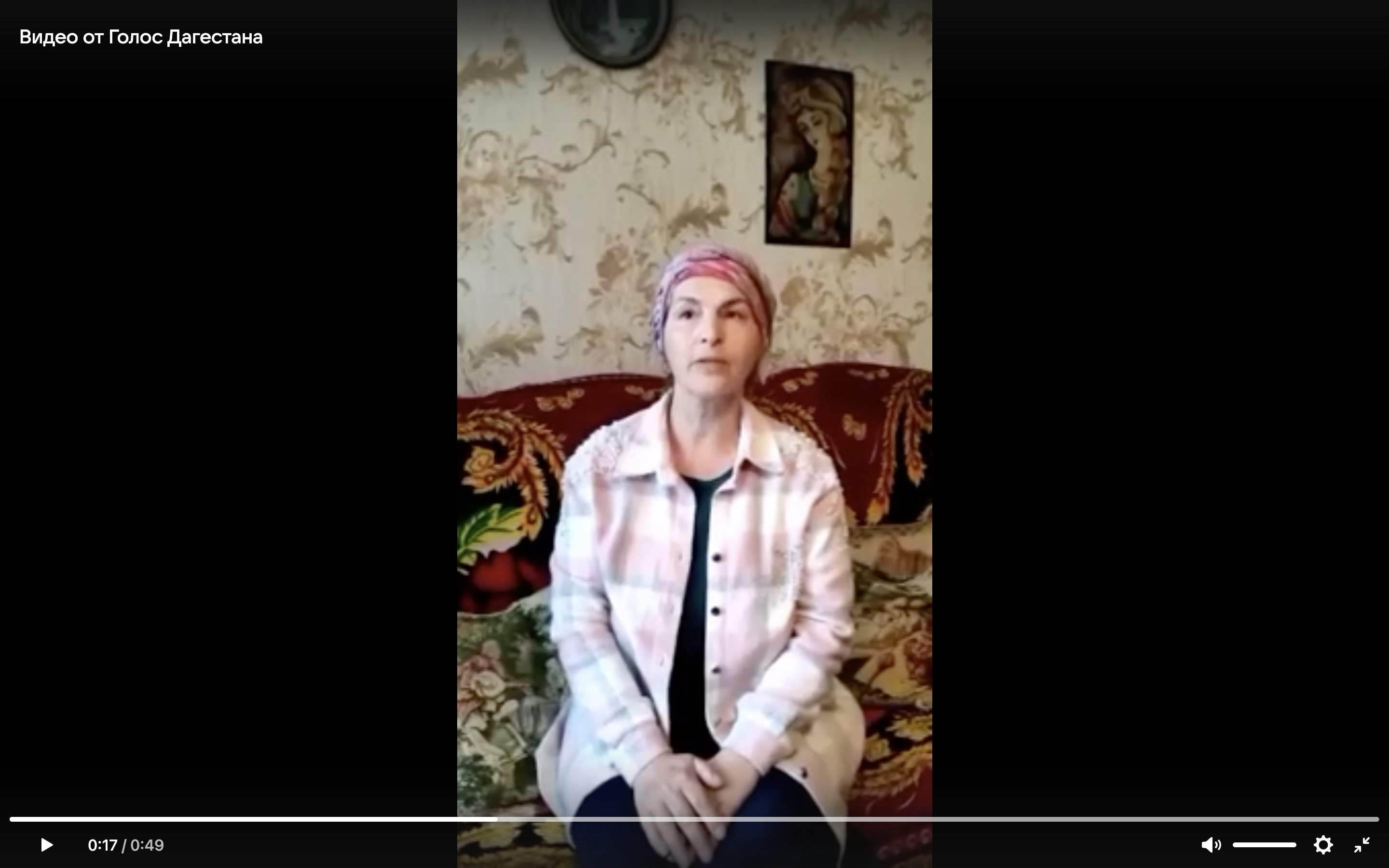
On May 2, the administration of the Shamilsky district published a video with an apology from a woman who had previously published a video about the sale of stewed meat in the regional center, allegedly stolen from the military.
A video entitled “Russian tourist is outraged by the sale of military goods in Dagestan” was widely circulated on social networks and caused a great resonance. A woman rented a car in Hebda with goods laid out on the hood: old-style camouflage clothing and a stew with the sign “Not for sale.” “We in Sevastopol collect money, send it to people at the front, and some rat, a bastard, stole what was due to soldiers during the war and makes money from it,” the author of the video emotionally comments. “Our boys are dying, pensioners are giving away their pensions, but some rat in the rear stole it and sent it here.”
Local authorities reacted quickly. As reported in the telegram channel of the Shamilsky district administration, at night the owner of the car was searched, several cans were seized and explanations were taken. As it turned out, the inscription “Not for sale” is just a marketing ploy by the manufacturer of ordinary stew, which can be purchased on any marketplace. Nevertheless, the man was brought to justice for unauthorized trading in the center of the village of Khebda.
Law enforcement officers also found the woman who filmed the video. She turned out to be not a “Russian tourist”, but a native of the region, who had lived in Crimea for a long time and came to visit relatives.
The administration posted a video on the administration’s social networks where this woman explains what happened, clearly reading the text that was shown to her behind the scenes: “The district administration and the police promptly carried out work on this fact...” The video ends with her apology: “In my statement there were words that offended my fellow countrymen, for which I ask their forgiveness.”
The municipal authorities, taking advantage of the opportunity, announced that a municipal fund of the Shamil district “Everything for the front - everything for Victory” has been created, which provides support to military personnel of the Northern Military District and their families. “At the moment, thanks to the responsiveness and active support of the region’s population, over 1.8 million rubles have been collected. The delivery of essential goods to the front has already been organized 5 times, and assistance has been provided to the families of mobilized, volunteers, wounded soldiers and contract soldiers many times.”
As noted in Dagestan public pages, the scandal showed that “there is a high demand for justice in society.” But, as evidenced by heated discussions on social networks, there is also a high demand for searching for “looters,” “traitors,” and “enemies of the people.”
The publication Kavkaz.Realii notes that the practice of public video apologies began in Chechnya. Because of this, the state television and radio company “Grozny” in Chechnya began to be jokingly called “Sorry-TV.”
However, this practice of the Chechen leadership to convincingly persuade those “at fault” to repent and make public apologies has been successfully borrowed and widely spread in neighboring and remote regions of Russia.