The EU called for the suspension of flights in the airspace of the Russian Federation after the incident with Embraer
The European Aviation Safety Agency (EASA) recommends that airlines refrain from flights to five Russian cities, including Moscow, St. Petersburg, Yekaterinburg, Rostov-on-Don and Samara. The organization explains such a call as a high risk to flight safety, referring to the recent crash of an Azerbaijani plane.
 
"The majority of incidents occurred in airspace not closed by Russia during drone attacks or the activation of air defense systems. This creates a high risk for flights, as evidenced by the incident with the AZAL airline flight on December 25, 2024," the organization said in a statement.
 
On December 25, an Embraer 190 passenger airliner of the AZAL airline, following a flight from Baku to Grozny, crashed in the Kazakh city of Aktau. The results of the official investigation have not yet been announced, but the dominant version is that the plane was hit by a missile fired by a Russian anti-aircraft missile system. The President of Azerbaijan, Ilham Aliyev, also holds this opinion, which is why he demands from the Russian Federation an admission of guilt, punishment of the guilty and payment of compensation. During a telephone conversation with him, Russian President Vladimir Putin apologized, but only for the fact that "a tragic incident occurred in the airspace of Russia."
 
In the speech, the head of state mentioned the work of Russian air defense equipment, but did not admit that it was precisely this that caused the plane to crash. However, Aliyev apparently considered even these apologies to be late, since in his subsequent statement he recalled that initially the Russian official structures put forward the version about the explosion of a gas cylinder, which showed their intentions to cover up the issue, and this, in his opinion, "doesn't matter to anyone does honors."
Последние новости
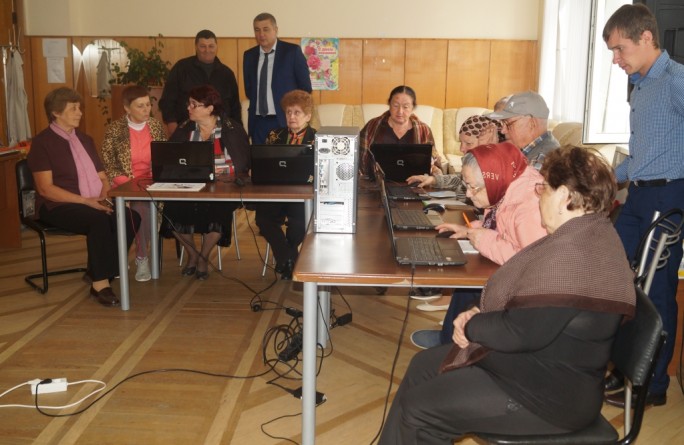
Residents over 55 in Karachay-Cherkessia five times more likely to visit online learning websites
Society
Residents over 55 in Karachay-Cherkessia five times more likely to visit online learning websites
17 October 2026

In the third quarter of 2026, monthly internet traffic to educational websites in Karachay-Cherkessia was 1.3 times higher than in the first quarter. Among users aged over 55, the figure increased fivefold, according to a study by telecommunications operator MegaFon and the Skillbox educational group.

Reporters Without Borders condemns forced detention of Novaya Gazeta editor-in-chief
Human rights
Reporters Without Borders condemns forced detention of Novaya Gazeta editor-in-chief
17 October 2026

Sergei Sokolov was taken to Russia’s Investigative Committee and held in the building for around three hours, despite having been officially summoned for questioning as a witness. Reporters Without Borders (RSF) described the incident as a new stage in the pressure on one of Russia’s last independent media outlets.

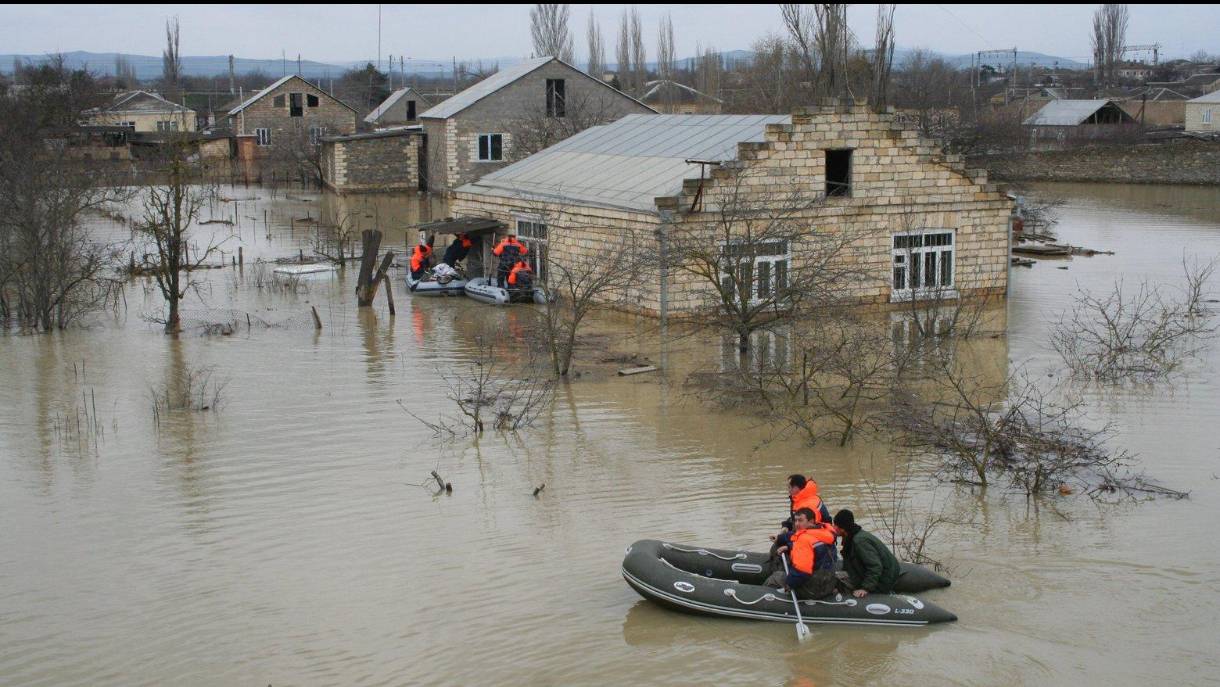
Shchukin: Over 3 Billion Rubles Paid to Flood Victims in Dagestan
Society
Shchukin: Over 3 Billion Rubles Paid to Flood Victims in Dagestan
16 October 2026

More than 3 billion rubles have been paid out to residents of Dagestan affected by spring floods. Fyodor Shchukin announced this on October 15 while speaking at a session of the republic’s People’s Assembly. On the same day, deputies elected him as the head of the region, following which he took the oath of office and assumed his duties.

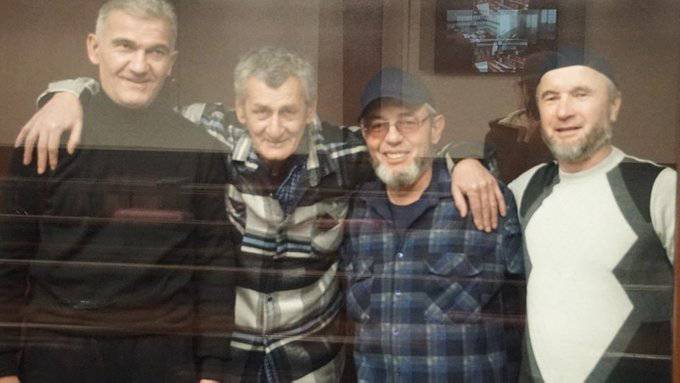
Court upholds sentences for four Crimean Tatars in ‘Hizb ut-Tahrir’ case
Human rights
Court upholds sentences for four Crimean Tatars in ‘Hizb ut-Tahrir’ case
16 October 2026

A Russian military appellate court has rejected the appeals of four Crimean Tatars—Nariman Ametov, Ali Mamutov, Vokhid Mustafayev, and Enver Khalilyayev—who were convicted of involvement with the organization ‘Hizb ut-Tahrir.’ The sentences handed down by the Southern District Military Court on May 21, 2026, remain unchanged. According to the TASS news agency, citing court sources, the individuals—part of what is known as the "third Dzhankoy group"—were sentenced to prison terms ranging from 14 to 15 years.