In Georgia, they pointed out the overcrowding of prisons and the violence in them
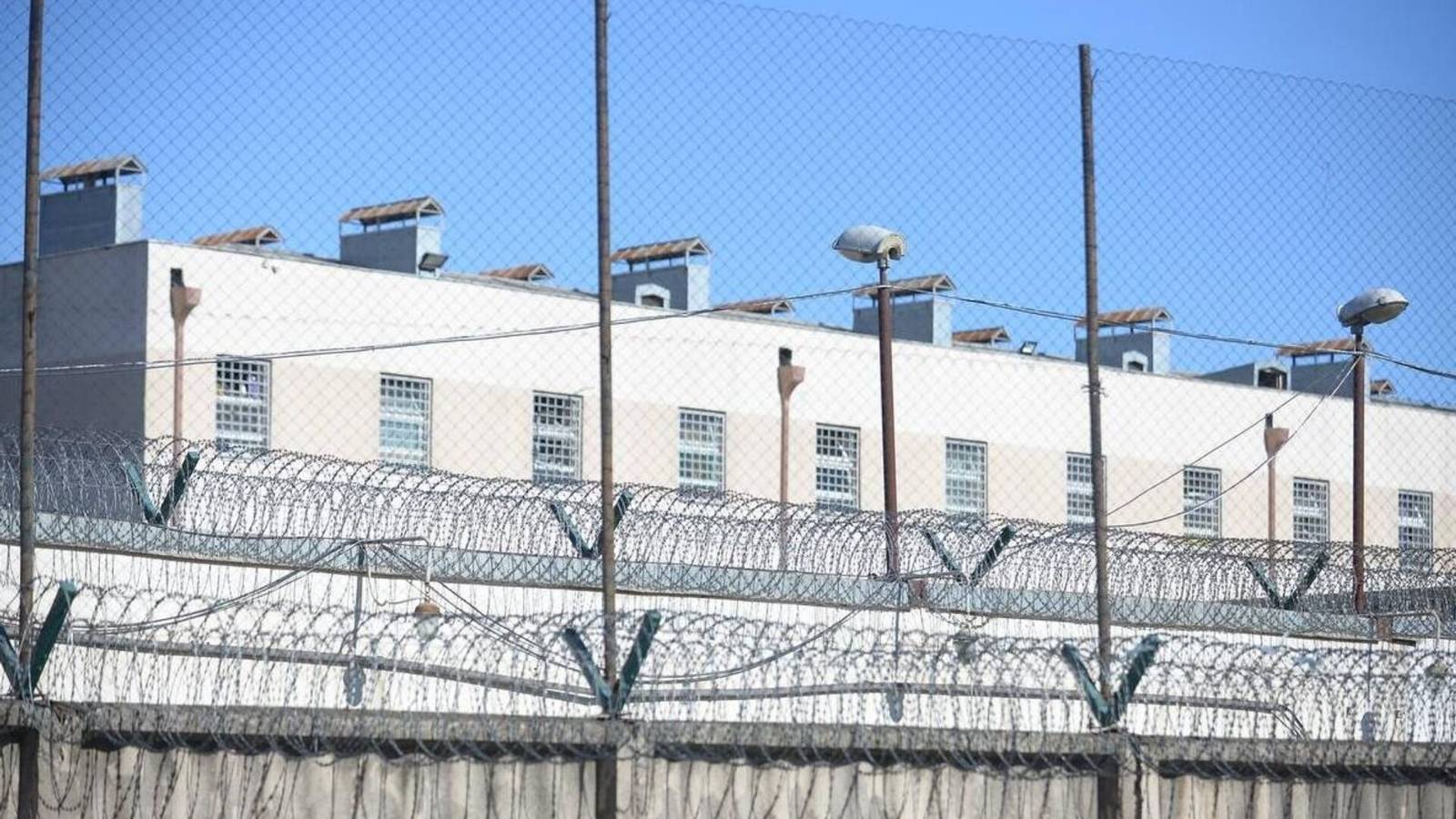
A serious challenge for the Georgian penitentiary system remains the overcrowding of prisons, which is associated with the emergence of informal governance within them and violence among prisoners in relations with each other. This was stated by the country's public defender Levan Ioseliani.
There are 9,770 people in Georgian prisons, of which 356 are women. For 3.8 thousand prisoners this is the second or more term.
According to Ioseliani, the problem also remains the unjustified placement of prisoners in de-escalation rooms and solitary confinement for the purpose of punishment. In addition, they are subjected to physical and psychological violence by security officers.
In closed prisons and institutions for high-risk convicts, prisoners have the right to only an hour-long walk, and spend the rest of the time in their cells.
Levan Ioseliani recommended that the Georgian government develop an action plan to reduce the number of prisoners and improve their conditions of detention.