Georgia to Ban Foreign Financing of TV and Radio Broadcasters, Online Media Next in Line
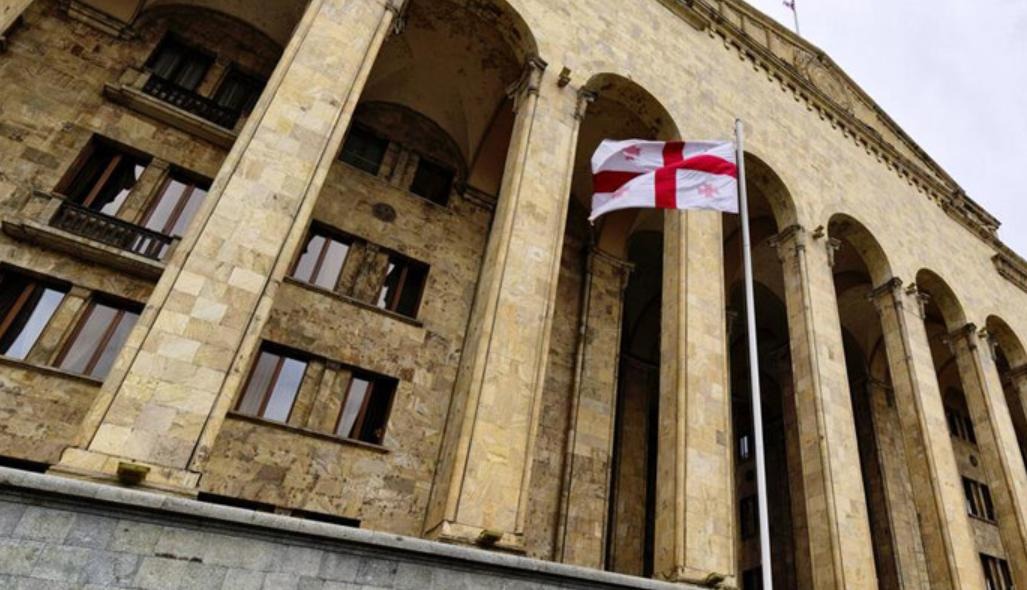
The Georgian Parliament, effectively controlled by the ruling Georgian Dream party, supported amendments to the Law on Broadcasting in the second reading. The changes provide for a ban on direct and indirect foreign financing for TV and radio companies in monetary and any material form.
Restrictions on the content itself are also being introduced. Among other things, the updated law requires compliance with the principles of "fairness, impartiality and balance" in news programs. The criteria for these principles are not specified; the Communications Commission will evaluate them. The amendments also introduce a ban on recording and broadcasting interviews and telephone conversations without prior warning. It is noted that live calls must be selected "fairly." The ban includes filming without permission in educational institutions, police departments, hospitals, and correctional facilities. The innovations will concern not only the airwaves, but also the websites and pages of TV and radio broadcasters on social networks.
In addition, the ruling party stated that the ban on foreign funding of TV and radio channels is not enough - it should also apply to online media. A separate bill will be developed for this purpose.
“It is possible that certain forces from abroad may finance the so-called online media in our country, including for the purpose of subversive activities. Shouldn’t there be such a regulation so that similar restrictions are applied to what we call online media?”, said Archil Gorduladze, head of the legal issues committee, at the plenary session.
The initiative was supported by Rati Ionatamishvili, chairman of the human rights committee, who expressed his readiness to personally participate in the development of the relevant bill. According to the official, online media are now used as an instrument of influence even more actively than TV channels.
The parliamentary leader of the Georgian Dream and the executive secretary of the party, Mamuka Mdinaradze, spoke in general terms on this issue.
"On the one hand, no one should be given space to assume that someone is being restricted. On the other hand, the problem is to ensure that the goal is achieved... There are many topics to discuss, there are many obstacles to making a decision, and this requires a very comprehensive approach," he said.