In Karachay-Cherkessia, a disabled man was sent to prison for "recruiting" Jehovah's Witnesses
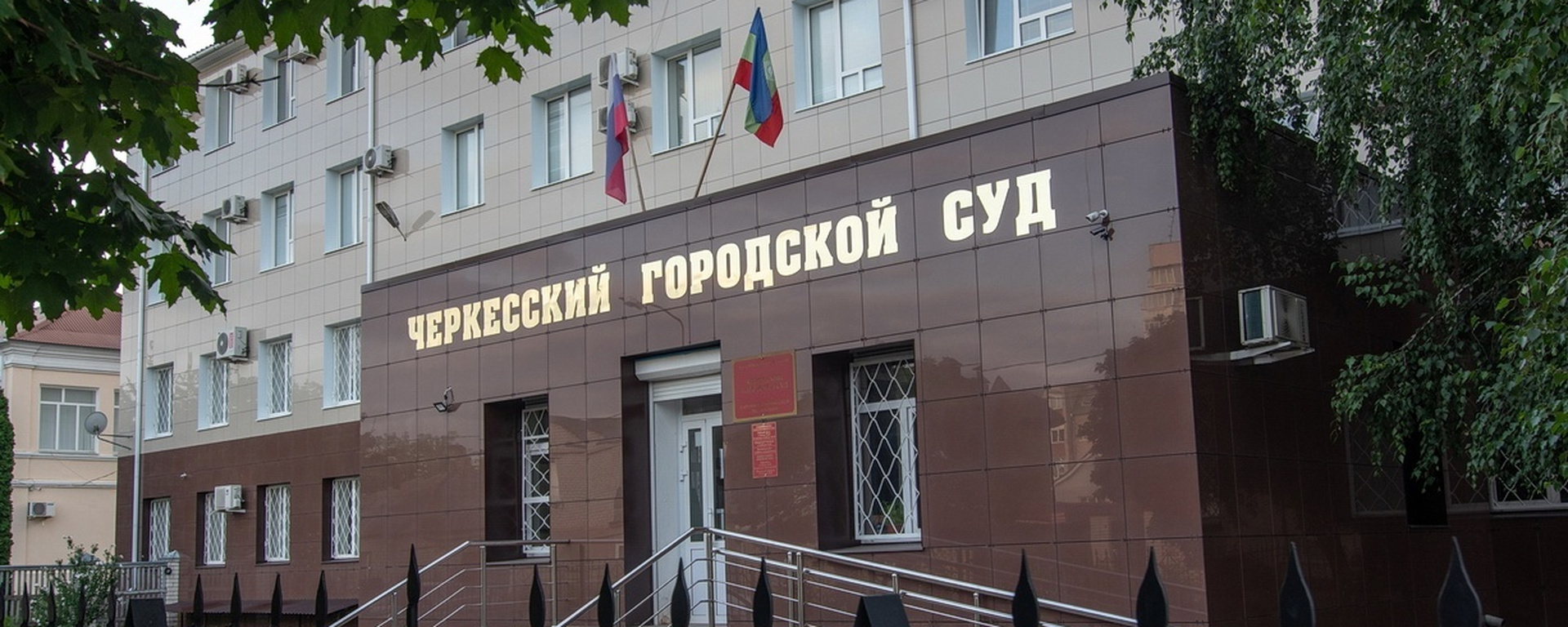
On June 23, the Cherkessk City Court found 45-year-old disabled Jehovah's Witness Vladimir Fomin guilty of participating in and recruiting members of an extremist group (Article 282.2 of the Russian Criminal Code) and sentenced him to four and a half years in a general regime penal colony. According to the "Jehovah's Witnesses: The Legal Situation in Russia" project, this is the 13th Jehovah's Witness in Karachay-Cherkessia to be prosecuted for their religious beliefs.
The case against Vladimir Fomin was opened in March 2024. After a search of his home, he was placed in a pretrial detention center, where, due to a lack of necessary medications, his condition rapidly worsened. During one court hearing, he lost consciousness. Fomin received disability benefits at the age of 20 after being beaten by peers hostile to Jehovah's Witnesses.
According to the prosecution, Fomin recruited others to the extremist organization through religious discussions. This was supported by the testimony of local resident E. Oncheva, with whom he discussed the Bible at the home of another believer, Elena Menchikova. It was later revealed that Oncheva, the mother of an Interior Ministry investigator, had secretly recorded these conversations on instructions from the FSB. However, during her trial as a prosecution witness, she could not recall how or why she acquired the recorder or who taught her how to use it. Elena Menchikova had previously received a suspended sentence on similar extremism charges.
"I am not at all surprised that I am now in court," Vladimir Fomin said in his closing statement. "Judicial persecution has existed throughout the history of Christianity. If you look back to the 20th century, you can see these persecutions there too. The Soviet Union exiled entire families of Jehovah's Witnesses to Siberia. Nazi Germany sent Jehovah's Witnesses to concentration camps. In the early 20th century, Jehovah's Witnesses were imprisoned for long periods in America and Canada. "I am a believer; the Bible changed my life, taught me love, which fundamentally rules out extremism. Therefore, I am not surprised that I am being tried as a follower of Christ. This confirms that I am on the right path."
The prosecutor requested a sentence of four years and six months in a general regime penal colony for the defendant, and Judge Sapar Baichorov agreed. Despite the defendant's disability, he found no mitigating circumstances in the case. According to the SOVA Research Center (designated a foreign agent), the accusation against Jehovah's Witnesses of involvement in an extremist organization stems from the fact that in April 2017, the Russian Supreme Court declared the Administrative Center and 395 local religious organizations of Jehovah's Witnesses extremist. "We believe that this decision, which led to the mass persecution of believers under Article 282.2 of the Criminal Code, had no legal basis and regard it as an act of religious discrimination," the SOVA website states.
In June 2022, the European Court of Human Rights, after reviewing a complaint by Jehovah's Witnesses, ruled that the ban on their materials and organizations and the persecution of believers violated the Convention for the Protection of Human Rights and Fundamental Freedoms. The ECHR demands that criminal cases under Article 282.2 of the Criminal Code against Jehovah's Witnesses be dropped and that imprisoned believers be released.
According to the Jehovah's Witnesses Project. According to the "Legal Situation in Russia," 615 sentences have already been handed down against Jehovah's Witnesses in 75 regions of the Russian Federation. There are 197 prisoners of conscience belonging to this community in prison colonies, and another 400 have received suspended sentences or fines.