Russia Announces Conditions for Resuming Funding for Abkhazia
Russia may provide payments to Abkhazia if it stops playing out agreements to the detriment of Moscow. This was stated by the first deputy chairman of the State Duma Committee on CIS Affairs, Konstantin Zatulin.
 
“If Abkhazia refuses the concluded agreements, if it insists that Russian citizens should not have the same rights in Abkhazia as its citizens, if it is afraid of an influx of people from Russia to Abkhazia, then what grounds do you have to expect gratuitous assistance from us? That is, when Abkhazia is given money, that’s normal, but when – guarantees for investors, who are otherwise intimidated in Abkhazia, deprived of business?” Zatulin was indignant.
 
Russia will continue to maintain contact with the Abkhazian authorities on all relevant issues. This is how the presidential press secretary, Dmitry Peskov, commented on the republic’s request to resume social payments and the country’s parliament’s refusal to ratify the investment agreement.
 
The day before, Abkhazia's Prime Minister Valery Bganba appealed to Russian Prime Minister Mikhail Mishustin with a request to resume co-financing the salaries of Abkhazian public sector employees. In Abkhazia, the authorities have stopped paying salaries to public sector employees, new power outage schedules have been introduced since December 9, and schools and kindergartens will be closed since December 10. There is also a shortage of funds for salaries of security forces. Abkhazia recently refused to conclude an economic agreement with Russia. The parliament of the self-proclaimed republic voted against ratifying the agreement with the Russian Federation on investments. Earlier, its possible adoption caused mass protests. This agreement was the subject of harsh criticism from the opposition. Many residents feared that the arrival of Russian business in the unrecognized republic would leave them without work.
Последние новости
Residents over 55 in Karachay-Cherkessia five times more likely to visit online learning websites
Society
Residents over 55 in Karachay-Cherkessia five times more likely to visit online learning websites
17 October 2026

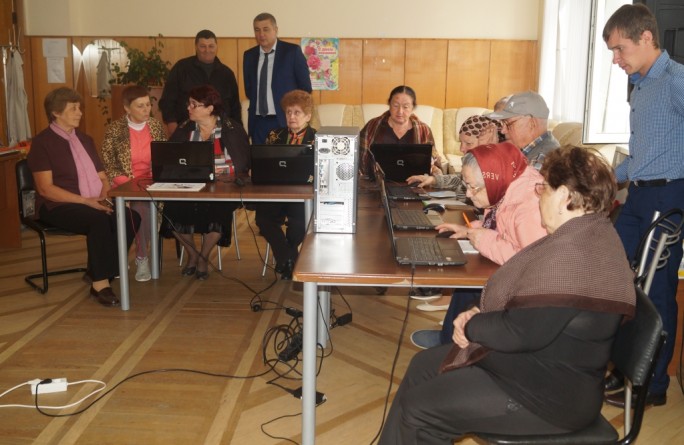
In the third quarter of 2026, monthly internet traffic to educational websites in Karachay-Cherkessia was 1.3 times higher than in the first quarter. Among users aged over 55, the figure increased fivefold, according to a study by telecommunications operator MegaFon and the Skillbox educational group.

Reporters Without Borders condemns forced detention of Novaya Gazeta editor-in-chief
Human rights
Reporters Without Borders condemns forced detention of Novaya Gazeta editor-in-chief
17 October 2026

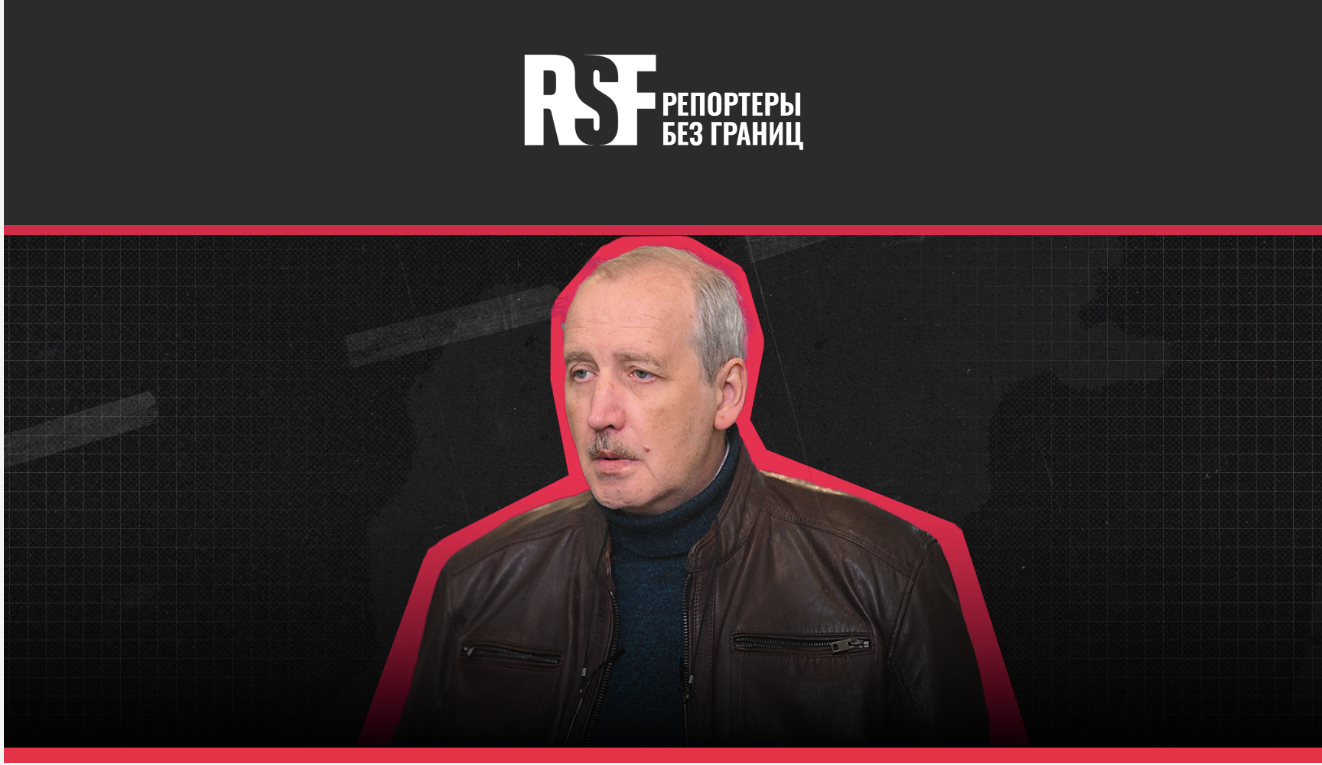
Sergei Sokolov was taken to Russia’s Investigative Committee and held in the building for around three hours, despite having been officially summoned for questioning as a witness. Reporters Without Borders (RSF) described the incident as a new stage in the pressure on one of Russia’s last independent media outlets.

Shchukin: Over 3 Billion Rubles Paid to Flood Victims in Dagestan
Society
Shchukin: Over 3 Billion Rubles Paid to Flood Victims in Dagestan
16 October 2026

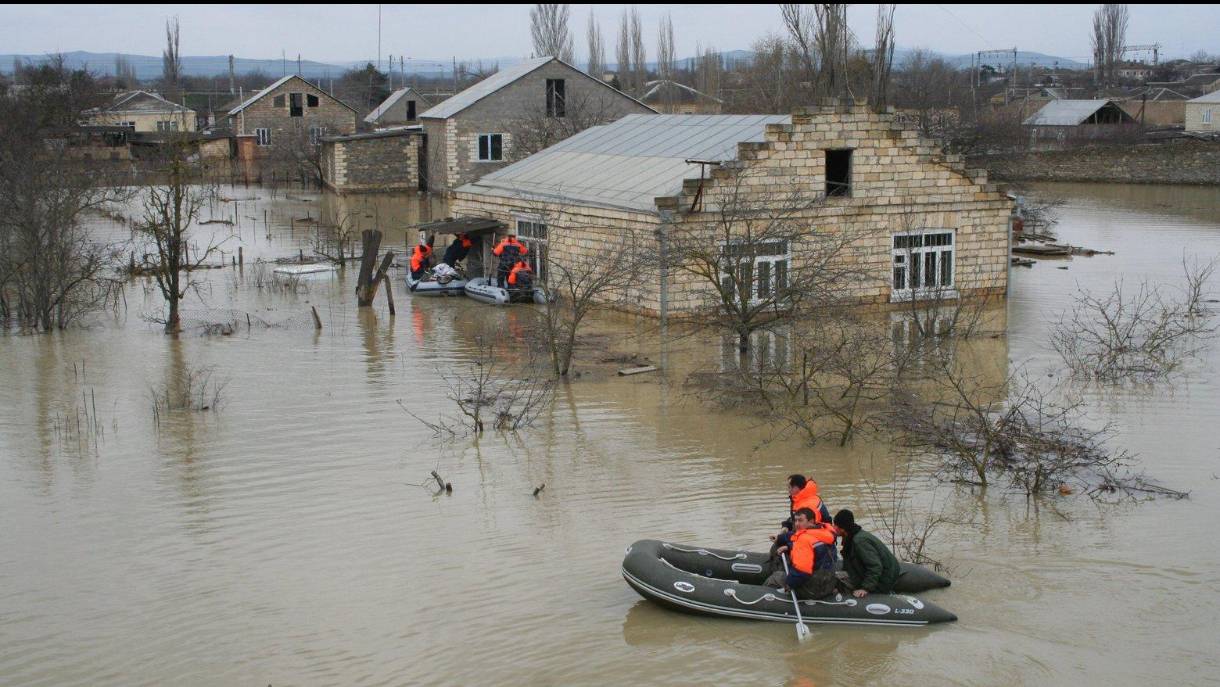
More than 3 billion rubles have been paid out to residents of Dagestan affected by spring floods. Fyodor Shchukin announced this on October 15 while speaking at a session of the republic’s People’s Assembly. On the same day, deputies elected him as the head of the region, following which he took the oath of office and assumed his duties.

Court upholds sentences for four Crimean Tatars in ‘Hizb ut-Tahrir’ case
Human rights
Court upholds sentences for four Crimean Tatars in ‘Hizb ut-Tahrir’ case
16 October 2026

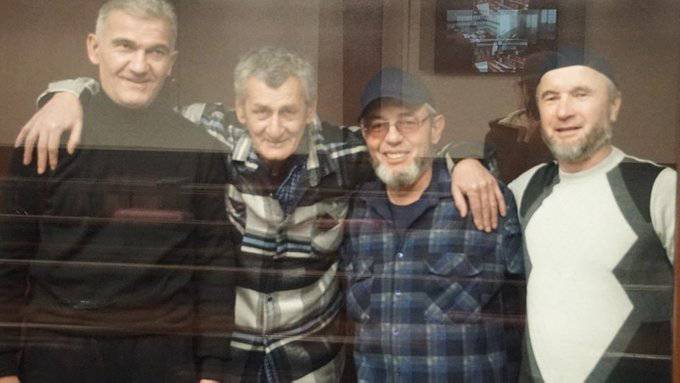
A Russian military appellate court has rejected the appeals of four Crimean Tatars—Nariman Ametov, Ali Mamutov, Vokhid Mustafayev, and Enver Khalilyayev—who were convicted of involvement with the organization ‘Hizb ut-Tahrir.’ The sentences handed down by the Southern District Military Court on May 21, 2026, remain unchanged. According to the TASS news agency, citing court sources, the individuals—part of what is known as the "third Dzhankoy group"—were sentenced to prison terms ranging from 14 to 15 years.