Russia has begun banning historians from accessing files on those repressed during the Soviet period
Access to materials on Soviet repressed persons stored in the State Archives of the Administrative Bodies of the Sverdlovsk Region and other regions has been significantly restricted. According to Ural researcher Oleg Novoselov, the archive now provides this information exclusively to relatives of the victims.
According to researchers, this effectively blocks further research into political repression. The restrictions are explained by an order from Rosarkhiv, which classifies these documents as information "the dissemination of which could pose a potential threat to the interests of the Russian Federation."
The Russian Presidential Administration, according to historian Vasily Redekop, explains this by the need to protect the data from "distortion, misinterpretation, or use in the interests of unfriendly states."
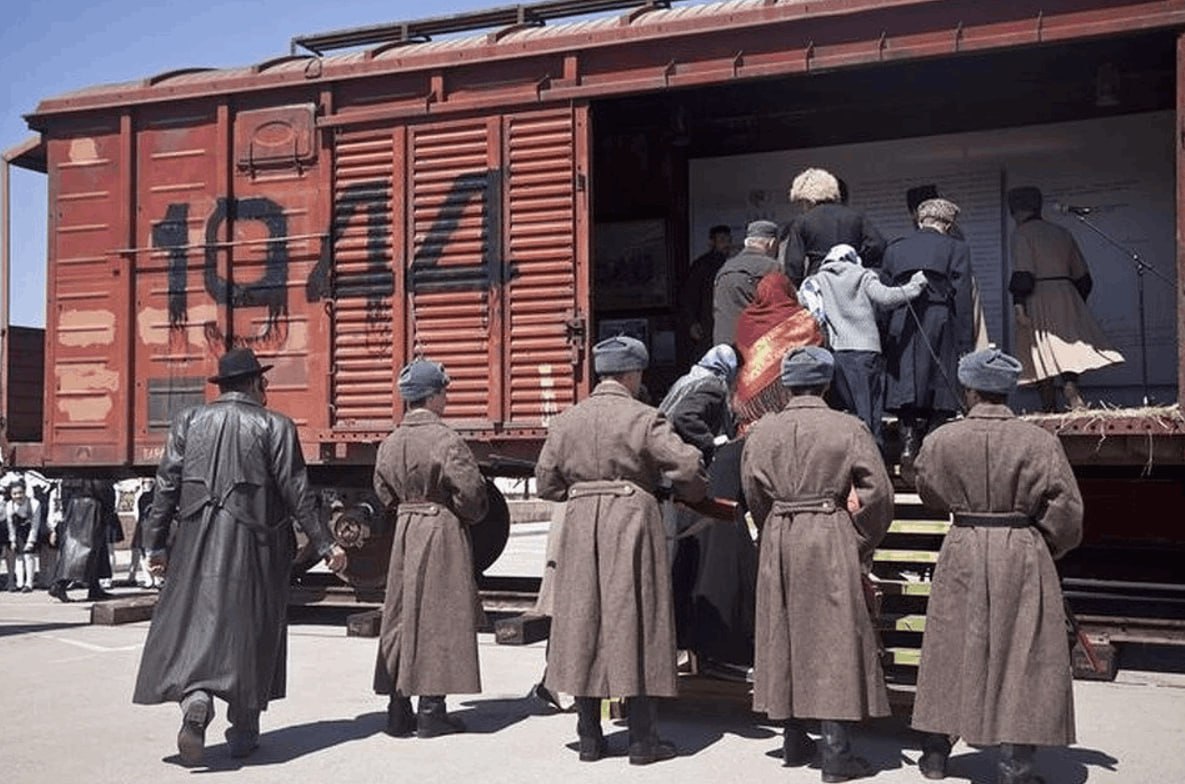
The Chechens and Ingush suffered severe consequences of Soviet repression, becoming among the most severely affected peoples. On February 23, 1944, Stalin ordered the mass deportation of approximately half a million Ingush and Chechens to Kazakhstan and Central Asia. It was only in 1957 that the Chechen-Ingush Autonomous Soviet Socialist Republic was restored.
In 2024, residents of Kabardino-Balkaria and Ingushetia asked the authorities not to glorify those responsible for Stalin's deportations. They are alarmed by the growing number of busts of Stalin and monuments in his honor. Currently, there are over 110 of them in the Russian Federation.