North Ossetia Supreme Court Rejects Defense Appeal for House Arrest of Disabled Defendant
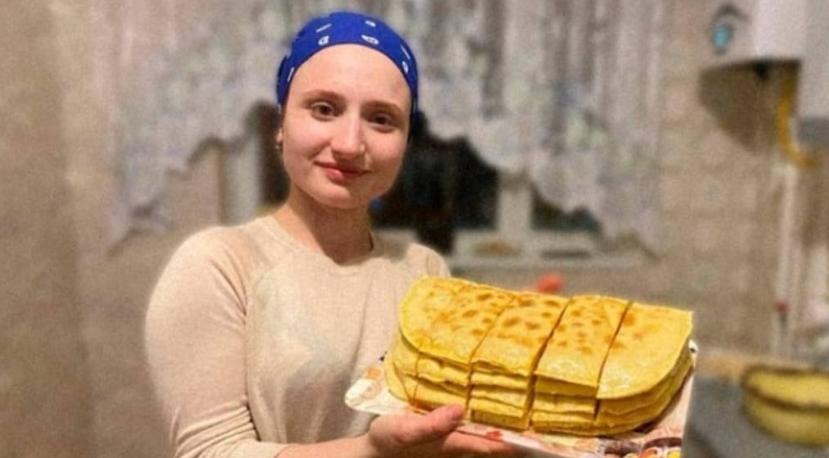
The Supreme Court of Russia’s North Ossetia republic has rejected an appeal filed by the defense of 27-year-old Vladikavkaz resident Zarina Tomaeva, leaving her in pretrial detention. Her lawyers had sought to have the preventive measure changed to house arrest, citing her deteriorating health.Tomaeva has spent nearly 10 months in pretrial detention on criminal charges that include fraud and related offenses. Her family says her health has worsened during her detention and that she has not received the medical treatment she requires.
The case gained wider public attention after Russian outlet Ostorozhno Media published a report about Tomaeva. Journalist Ksenia Sobchak subsequently called on North Ossetian regional head Sergei Menyailo to intervene.
According to Tomaeva’s mother, Irina Tomaeva, her daughter worked as a mortgage broker before being detained in September. The family says she was initially charged with fraud before investigators expanded the case to include allegations related to the organization of a financial pyramid scheme.
The family maintains that the criminal case was fabricated. Relatives say they offered to compensate the alleged financial damage, which they say was initially estimated at 600,000 rubles ($7,700), but claim the complainants refused the payment. They further allege that some of Tomaeva’s former clients were later pressured into filing complaints under the threat of criminal prosecution themselves. No publicly available official evidence has been presented to substantiate those claims.
According to her relatives, Tomaeva was initially held in a standard pretrial detention facility, where she was allegedly kept in a cold basement cell. They say she was threatened after losing consciousness on several occasions and that searches conducted while she used the toilet were recorded on video. Following complaints from the family, she was transferred to Detention Center No. 6 of Russia’s Federal Penitentiary Service (FSIN), they said.
Her relatives say Tomaeva has lived with a disability since childhood due to congenital idiopathic scoliosis. At the age of 13, surgeons implanted a titanium spinal structure. The family says she now suffers from severe pain, cannot remain seated for extended periods, rarely leaves her cell for outdoor exercise, and requires dental treatment as well as regular medical examinations.
Russian outlet Sapa Media, which also reported on the case, published what it said was a photograph of Tomaeva’s disability certificate. The document indicates that she was granted permanent Category III disability status as a person disabled since childhood. According to the image, the certificate was issued by North Ossetia’s medical and social assessment bureau in 2018. However, the quality of the published copy does not allow all of the document’s details to be independently verified.
The family says investigators have refused to allow privately invited doctors to examine Tomaeva, even at the family’s expense. They also say repeated requests to replace her detention with house arrest were allegedly linked by investigators to an admission of guilt. Investigators have not publicly responded to those allegations.
Following an appeal by Tomaeva’s mother, North Ossetia Human Rights Commissioner Artur Kokaev visited her at Detention Center No. 6. After the visit, Kokaev said he had inspected the detention conditions, spoken with the facility’s medical staff and concluded that the necessary medical care was being provided. He did not comment on the merits of the criminal case or the court’s decision to keep Tomaeva in custody.
The case has generated extensive debate on Russian social media. Some users called for Tomaeva to receive adequate medical treatment regardless of the charges against her. Others questioned the family’s account and asked why relatives had offered compensation if they believed she was innocent.
Some social media users alleged that Tomaeva had defrauded numerous clients, leaving them without money or housing, while others called for investigators to disclose details of the alleged fraud scheme. Those claims have not been supported by publicly available court documents or investigative materials and cannot be independently verified.
Many of the critical comments were posted from accounts whose identities could not be verified. They ranged from calls for Tomaeva to be held criminally accountable to insults directed at her and her family, as well as threats of physical violence. Some users also defended the harsh detention conditions, citing the alleged consequences for the purported victims.
As of publication, Russia’s Investigative Committee, prosecutors and the courts had not publicly responded to the allegations made by Tomaeva’s relatives.