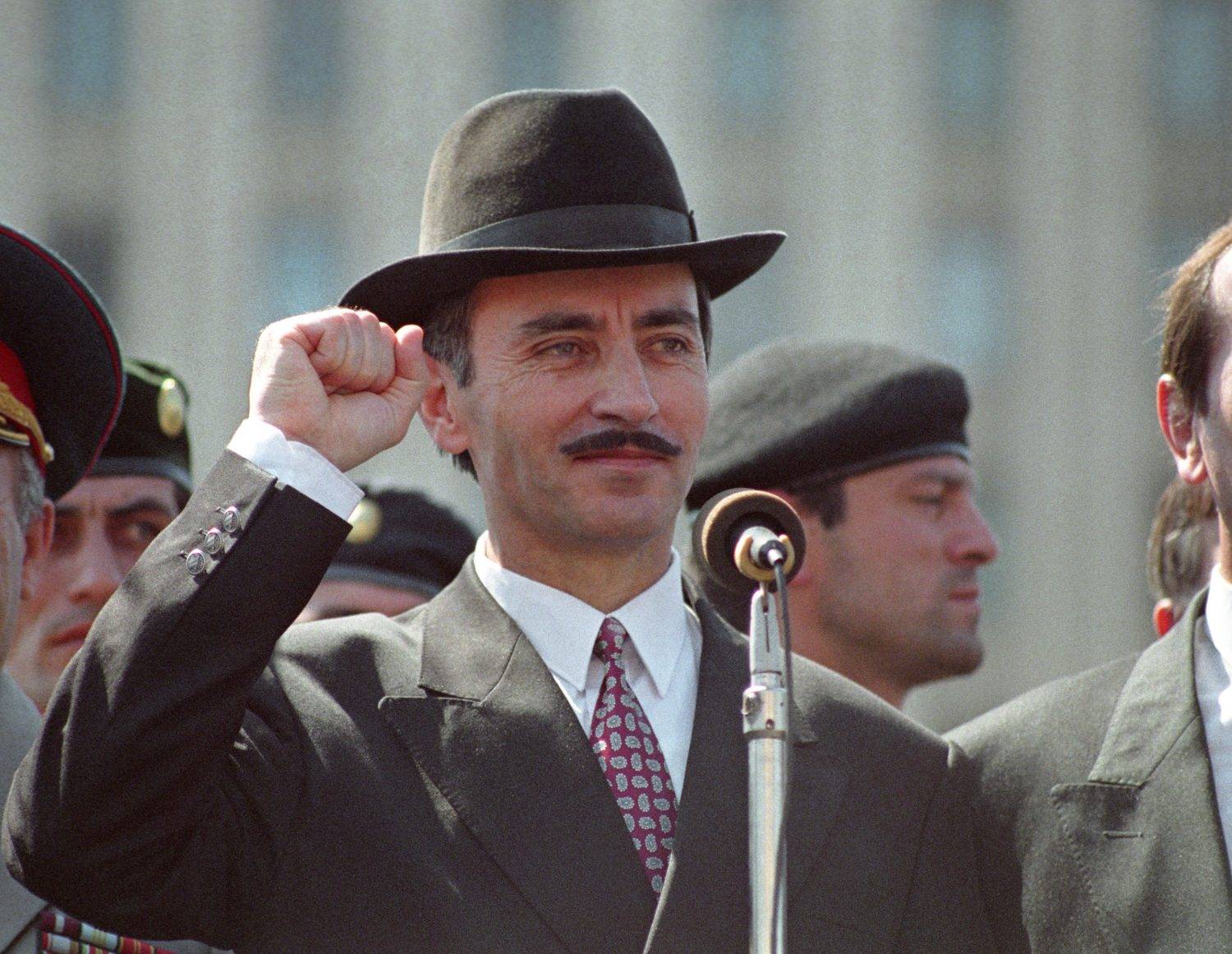
27 years ago, the first president of the Chechen Republic, Djohar Dudayev, was assassinated.
On 21 April 1996, the President of the Chechen Republic, Jokhar Dudayev, was assassinated by the Russian military in a land-based missile strike.
On 27 October 1991, Dudaev was elected the first President of the Chechen Republic, as General of the Soviet Army, who headed the executive committee of the National Congress of the Chechen People (RCMP) in the spring of the same year. His first decree was to declare independence from Russia, which was not recognized in Moscow.
In March 1992, Chechnya adopted its own Constitution, in which the republic was declared a sovereign state, and in 1993 it did not participate in the Russian referendum on the adoption of the Constitution of the Russian Federation.
On 11 December 1994, Russian troops entered the territory of Chechnya by decree of Russian President Boris Yeltsin. This was the start of the first Russian-Chechen war. From the very beginning, Dudaev was hunted by the Russian special services. Three attempts on his life were unsuccessful.
On April 21, 1996, the special services detected a signal from Dudayev’s satellite phone near the village of Gekhi-chu, Urus-Martan district. The Su-25 with the self-guided missiles, which killed the Chechen leader, was blown up.