No Names or Evidence: FSB Claims Another Terrorist Attack Thwarted in Pyatigorsk
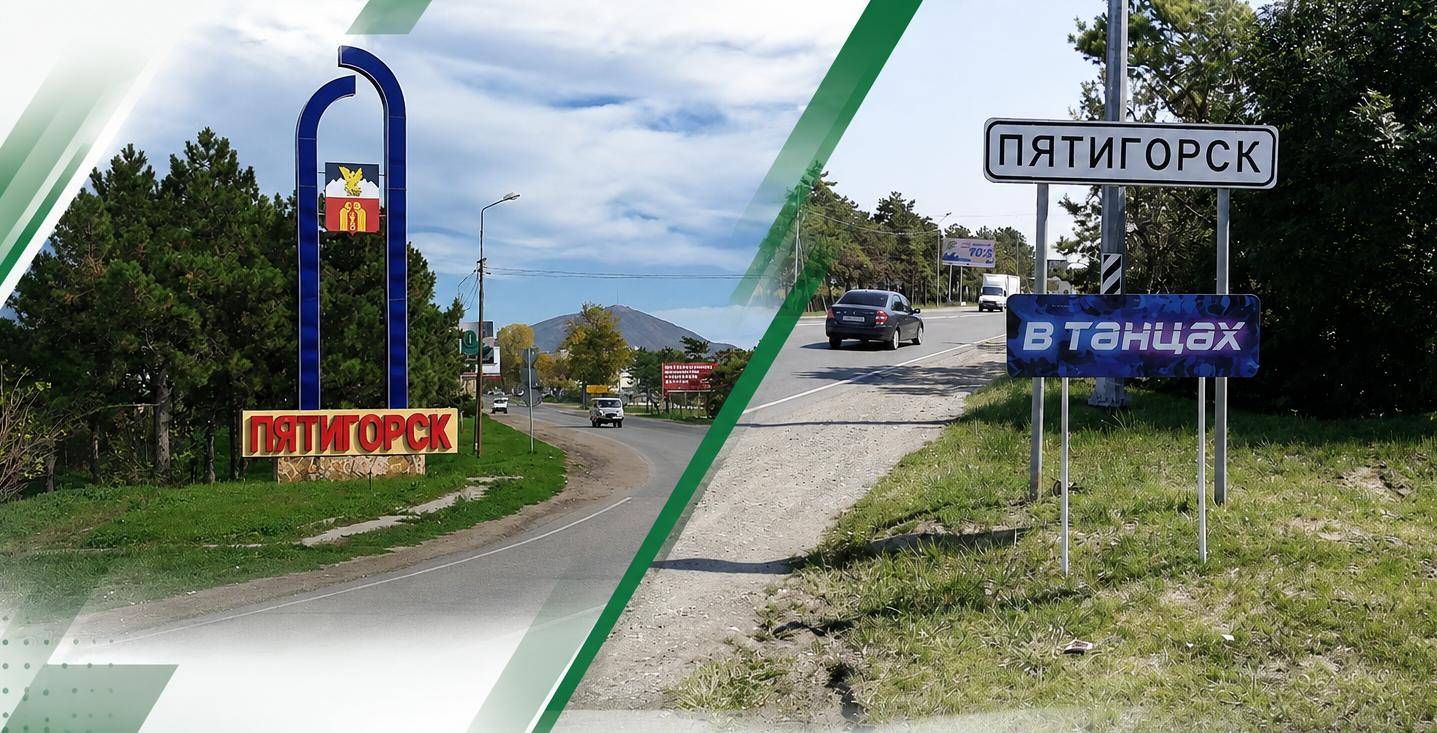
Russia’s Federal Security Service (FSB) has announced the prevention of a suspected terrorist attack in Pyatigorsk and the detention of a native of a Central Asian country. His name and citizenship have not been disclosed, and the circumstances described by the security agency cannot be independently verified.
According to the FSB, the man was allegedly a supporter of an "international terrorist organization banned in Russia" and was preparing an "attack using an improvised incendiary device on a railway transport infrastructure facility in the Stavropol Territory."
The agency claims the suspect photographed the site of the planned attack and purchased the "components and chemical substances" needed to make Molotov cocktails. He reportedly intended to travel to Syria afterward to join the ranks of the banned organization.
The Investigative Department of the FSB Directorate for the Stavropol Territory has opened a criminal case on charges of preparing a terrorist act and participating in the activities of an organization designated as terrorist in Russia.
This is not the first time the FSB has announced the prevention of attacks in Pyatigorsk. In late June, the agency reported the detention of two women who were allegedly transporting improvised explosive devices "on the orders of Ukrainian special services."
Additionally, an investigation is ongoing in the Stavropol Territory regarding two teenagers accused of plotting a terrorist attack after—according to investigators—they "accepted an offer received via the Telegram messaging app."
Human rights activists and independent media have repeatedly pointed out that public scrutiny of such accusations is difficult due to limited access to information and the closed nature of many terrorism-related trials. Under these circumstances, statements by law enforcement agencies are viewed as the prosecution's version of events rather than facts established by a court. Russia's Federal Security Service (FSB) has announced the prevention of a planned terrorist attack in Pyatigorsk. A native of a Central Asian country has been detained; his name and citizenship have not been disclosed. Neither the case files nor the evidence supporting the charges have been made public.
The FSB’s Public Relations Center reported that the man allegedly supported the activities of an international terrorist organization banned in Russia and was preparing an attack on a railway infrastructure facility using an improvised incendiary device.
According to the agency, he scouted the site of the planned attack, took photographs of it, and purchased components to manufacture an incendiary mixture. Following this, the suspect allegedly intended to travel to Syria.
Investigators have opened a criminal case on charges of preparing a terrorist act and participating in the activities of a terrorist organization.
It is impossible to independently verify the version of events presented by security officials. Russian law enforcement agencies frequently report the prevention of terrorist attacks; however, details of the investigations and the evidence in such cases generally remain unavailable to the public until the trial—and sometimes even afterwards.
In late June, the FSB announced that it had thwarted another planned attack in Pyatigorsk. At that time, two women were detained and accused of delivering improvised explosive devices, allegedly on the orders of Ukrainian intelligence services. Additionally, an investigation is ongoing in the Stavropol Territory regarding two teenagers accused of plotting a terrorist attack following contacts made via Telegram.