Hours-long waits for cheap gas versus 150 rubles for immediate service: what the fuel crisis looks like in southern Russia
A fuel shortage in southern Russia and the North Caucasus has led to hours-long queues, restrictions on gasoline sales, and a stark price gap between major chain stations and private gas stations.
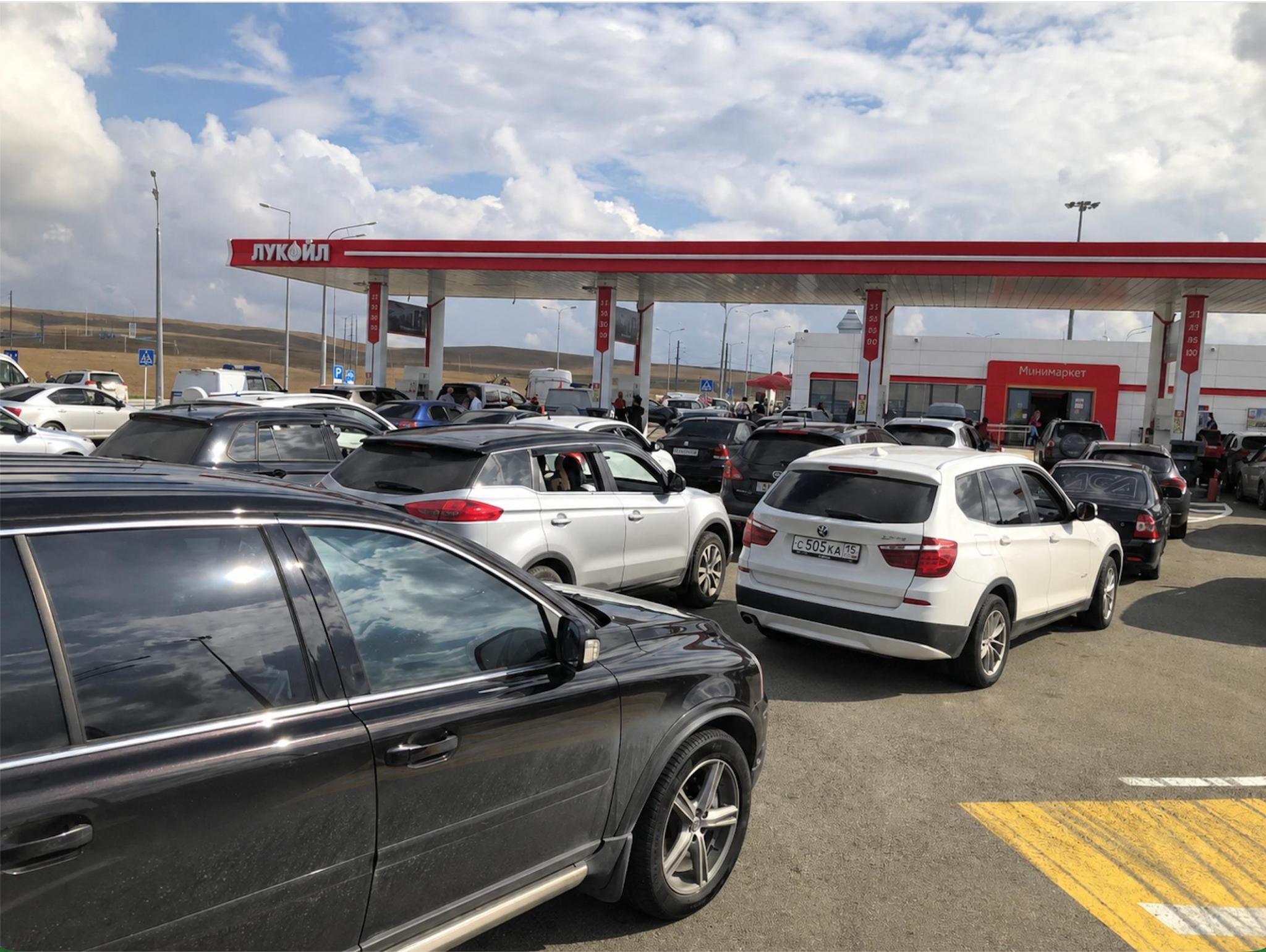
Motorists are having to wait several hours for cheaper fuel. While fuel can be purchased immediately without waiting in line, the price at some stations has already reached 140–150 rubles per liter. The crisis is beginning to impact taxi drivers, transport companies, and small businesses, prompting regional authorities to impose restrictions and urge residents to cut back on using their private vehicles.
The crisis manifests differently across regions: some authorities are limiting fuel sales, others are recommending that people avoid using private cars, and in some places, Cossacks have even been brought in to monitor gas stations.
Authorities impose restrictions
In Adygea, authorities have urged residents to switch to public transport whenever possible. Officials have also been instructed to cut fuel consumption for official travel by half.
In the Stavropol region, officials have been encouraged to use bicycles, and trips outside the region now require specific approval from Governor Vladimir Vladimirov.
In the Rostov region, Cossacks have been deployed to keep watch at gas stations. As Governor Yury Slyusar explained, the struggle to find fuel and the long waits are causing people to "turn into animals, literally."
In Novorossiysk, angry motorists blocked a fuel tanker, demanding that the fuel be delivered to the gas station.
Cheap, but with hours-long waits
A similar situation is unfolding in the North Caucasus regions. Gasoline remains relatively cheap at major chain stations, but sales are restricted, and waiting in line often takes several hours. Fuel is almost always available at private gas stations, but it costs significantly more.
Umar, a resident of Mozdok, told a regional news outlet that he arrived at a Gazprom gas station at 5:30 a.m. and was only able to leave three hours later.
"I filled up with 95-octane fuel at 71 rubles [per liter]. There were 50 to 60 cars in line," he said.
According to him, gasoline was being sold at a nearby private station for approximately 140 rubles per liter.
"The price is steep—almost double. You never know if you’ll be able to get anywhere. They won't even dispense gas into jerrycans," he noted.
Azamat, a resident of Vladikavkaz, said he waited about ten minutes at a Rosneft station and managed to buy the maximum allowed 30 liters of gasoline at 70 rubles per liter. At commercial stations, he noted, AI-95 gasoline is already costing around 105 rubles.
Adam, a resident of Chechnya, also confirms that the longest lines form precisely where gasoline is cheaper.
"In Mozdok, people lined up at Gazprom. But it’s not a constant thing. Prices are rising, of course," he said.
According to North Ossetia’s Ministry of Housing and Utilities, the price of AI-95 at most private stations has neared 100 rubles per liter, reaching as high as 115 rubles at some locations. The agency stated that such a sharp price disparity could indicate a violation of antimonopoly laws and announced an inspection.
At the same time, the ministry plans to launch a mobile app allowing residents to track fuel availability and prices at gas stations.
Residents of the North Caucasus report that gasoline usually becomes available at major chain stations around 6 a.m. and runs out by noon. At Gazprom, Rosneft, and Lukoil stations, a liter of AI-95 gasoline costs around 67–72 rubles, whereas at private stations, the price ranges from 100 to 115 rubles.
In Pyatigorsk, motorists report that AI-95 is already selling for 150 rubles per liter. They also note significant price hikes in certain parts of Kabardino-Balkaria.
While there is no official fuel shortage in Chechnya, local residents report a rapid rise in prices. Gasoline remains cheaper at major chain filling stations, but sales are capped at 30 liters per tank. At private stations, fuel is available without a wait, but the price is 95–105 rubles per liter.
**Crisis Hits Carriers and Small Businesses**
The impact of the fuel crisis is already beginning to affect business operations and the cost of goods.
In the Krasnodar Territory, drivers for food service companies are heading to gas stations before dawn to secure fuel before setting out to deliver bread and other products.
Taxi drivers in Chechnya say they now have to calculate the profitability of every long-distance trip.
"In the past, you’d fill up and work all day without a worry. Now, you have to consider whether it’s worth taking a passenger to a district center or if you’ll make peanuts on the trip. We’ve had to raise prices slightly, but some passengers respond by asking us to drive their neighbors instead," regional publications quote one local driver as saying.
Small business owners note that transportation costs, raw materials, and goods are becoming more expensive in the wake of rising fuel prices. They warn that if the situation does not change, the increase in transport costs will inevitably affect the final price of products.
In Dagestan, many drivers are forced to wait hours for their turn at gas stations after completing a full shift, just so they can head back to work the next morning.
Some motorists prefer to travel to neighboring regions for fuel, but restrictions apply there as well. For instance, at many chain gas stations in North Ossetia, sales are limited to 30 liters per customer, and fuel can only be dispensed directly into the vehicle's tank.
**Causes of the Shortage**
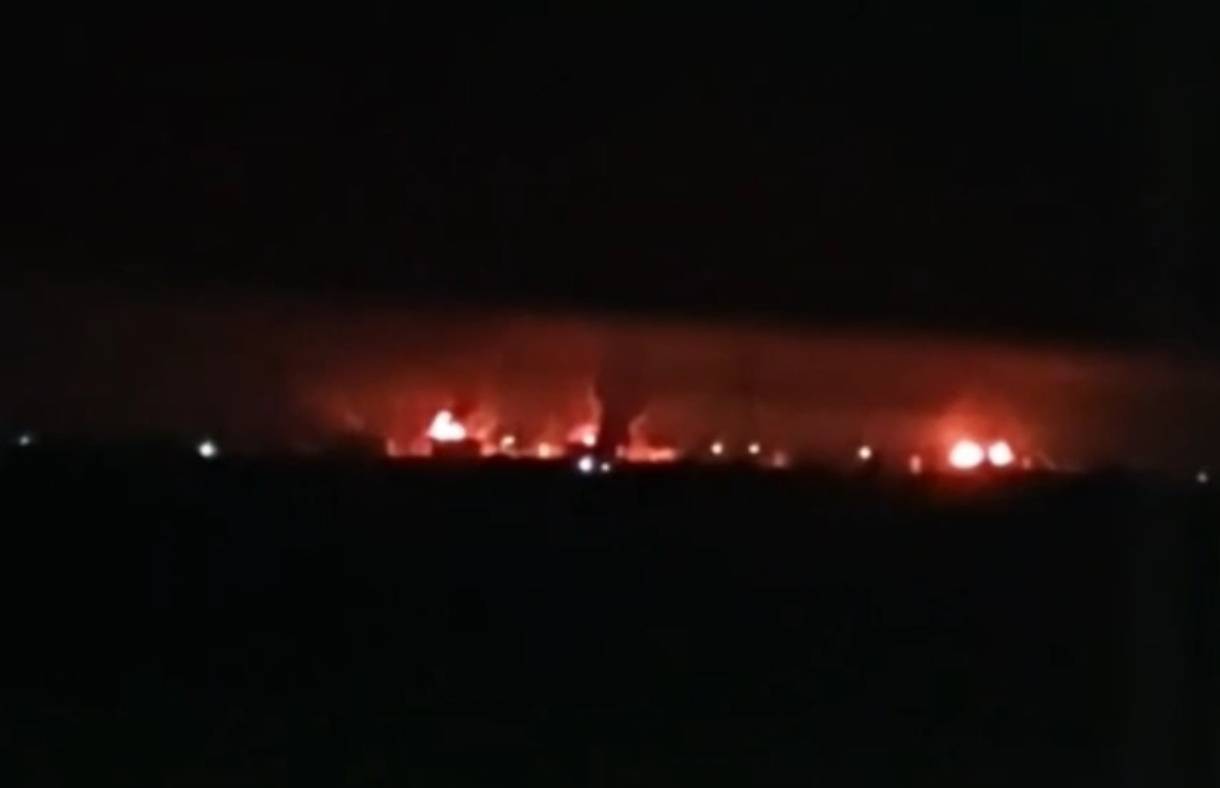
The fuel crisis has affected many regions of Russia, as well as annexed Crimea and Russian-occupied territories in Ukraine. It is unfolding against the backdrop of Ukrainian strikes on oil refineries, fuel depots, and other fuel infrastructure.
Russian authorities have already banned the export of gasoline, diesel, and jet fuel. Deputy Prime Minister Alexander Novak announced the start of fuel imports and plans to boost production by utilizing petroleum products of lower environmental grades.
According to Reuters, Russia's current gasoline production covers only about 65% of seasonal demand.
The market is facing additional pressure from the summer tourist season and agricultural activities, both of which traditionally drive up fuel consumption in the country's south.
As a result, the market has effectively split in two. Cheap gasoline is still available, but only after hours of waiting and subject to strict limits on purchase volumes. Fuel is sold without a queue primarily at private gas stations, where the price in some cases is already reaching 140–150 rubles per liter.