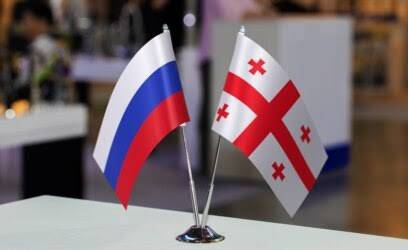
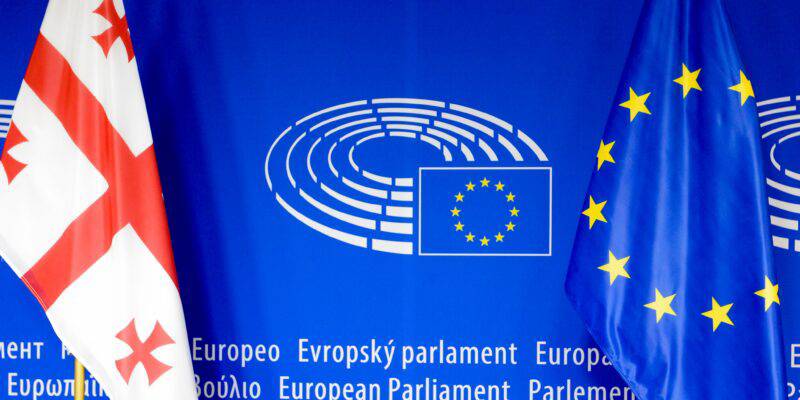
On November 26, the European Parliament adopted a resolution demanding the immediate release of opposition politicians, journalists, and activists whom the lawmakers consider to be political prisoners in Georgia. The document also calls on the European Union to impose targeted sanctions—including asset freezes and travel bans—against Bidzina Ivanishvili, founder of the "Georgian Dream" party; Prime Minister Irakli Kobakhidze; and other members of the country’s leadership.

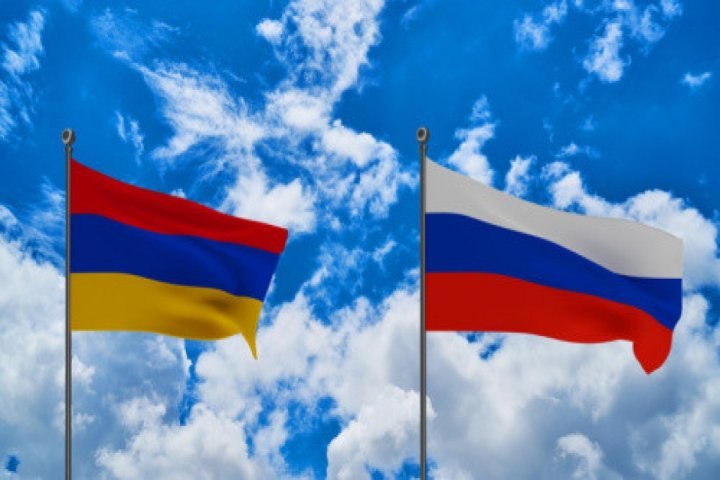
Russian Deputy Prime Minister Alexey Overchuk expressed concern about Armenia's current foreign policy course, stating in an interview with TASS that the country is approaching a "point of no return" due to the "temptations" of the West. He warned that Armenia's further rapprochement with its Western partners would entail a reconsideration of economic relations by Moscow.
Overchuk addressed the issue of Russian railway management in Armenia. According to him, Russia does not object to the expansion of Armenian export markets, but rejects Prime Minister Pashinyan's proposals to transfer infrastructure to third countries.
In the energy sector, Moscow is closely monitoring the situation surrounding the Metsamor Nuclear Power Plant and Yerevan's plans to attract Western technology, Overchuk noted. He expressed the opinion that Armenia's potential rapprochement with the European Union, a bloc "hostile to Russia," leads to "long-term, grave consequences."
Particular attention was paid to the Meghri section (the "Trump Route"), which, according to Overchuk, the United States views as a key transportation corridor and a tool for controlling Iran. The Deputy Prime Minister concluded that only Russia's active participation in the regional settlement can guarantee the necessary balance of interests.