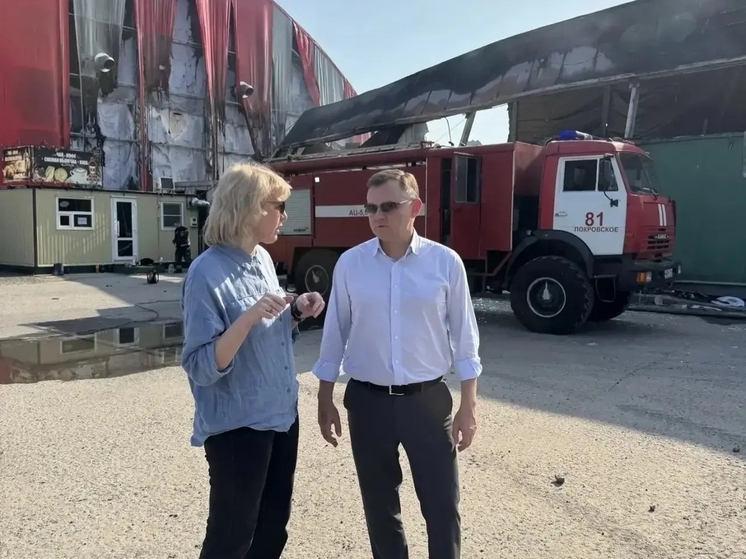
Southern Russia hit again by Ukrainian drone attacks
12 September 2026
From Mamison to the Caucasus Trail: Why Moscow is Investing in the Caucasus Tourism Sector
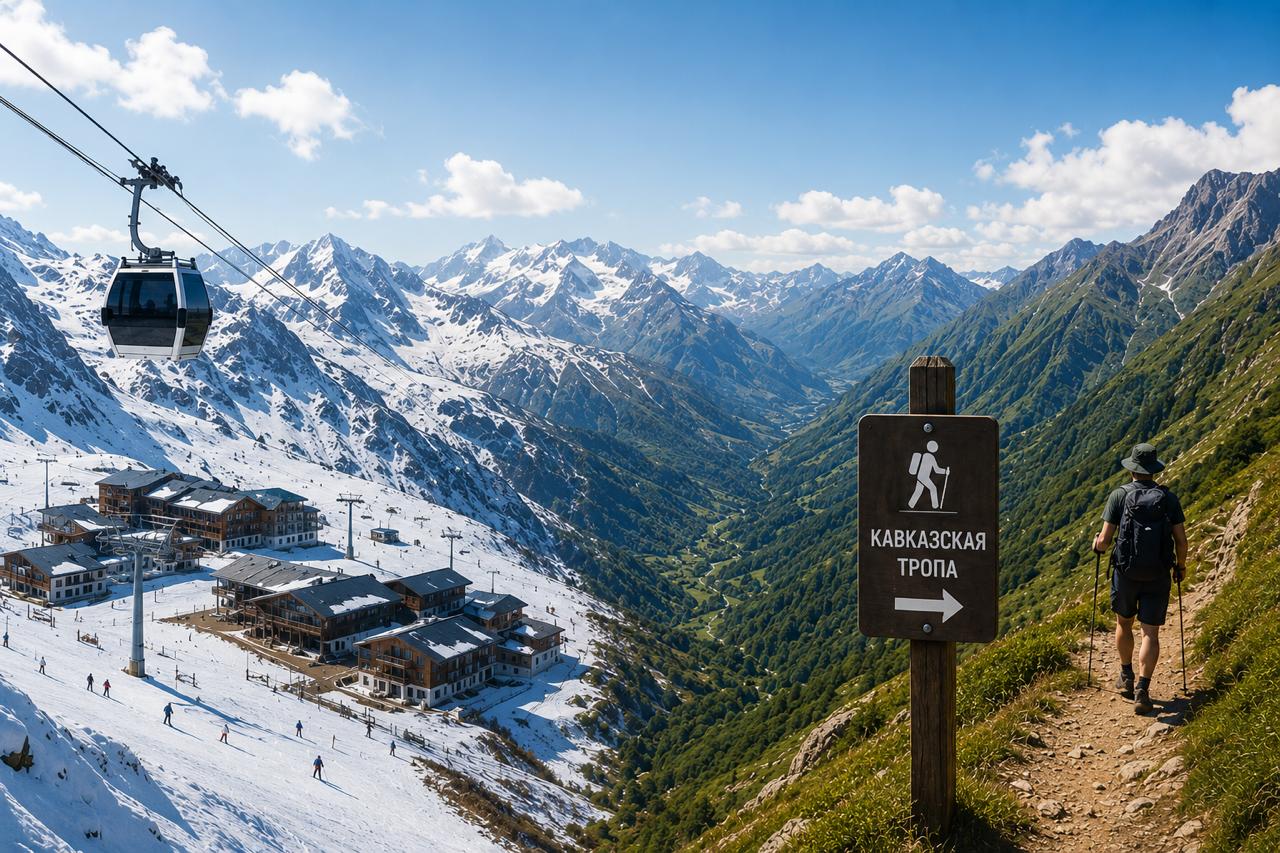
Authorities are preparing a new package of measures to develop tourism in the North Caucasus. Following a meeting in Mineralnye Vody, Prime Minister Mikhail Mishustin instructed government agencies to submit proposals for the development of resorts, tourist routes, and sports infrastructure in the region.
One of the key projects remains the Mamison ski resort in North Ossetia. The Ministry of Economic Development, the Ministry of Finance, and Kavkaz.RF must submit proposals for attracting a strategic investor for the second phase of the complex by September. Authorities hope to transform Mamison into one of the largest resorts in the North Caucasus, although such projects require multibillion-dollar investments and take years to pay off.
Another project is the National Caucasus Trail. This is a network of hiking trails that will connect the regions of the Caucasus from the Caspian to the Black Sea. The government has instructed the preparation of an infrastructure plan and the identification of funding sources. In recent years, federal authorities have increasingly focused on domestic tourism, attempting to transform the Caucasus into a year-round destination—not only for skiers but also for trekking, ecotourism, and spa vacations.
However, tourism development in the region is plagued by long-standing problems: a lack of roads, overburdened infrastructure, and a labor shortage. Industry experts have repeatedly warned that increasing tourist flow without large-scale modernization of transportation and utilities could lead to overcrowding of popular destinations.
Authorities are also discussing the development of Mount Elbrus as a high-altitude sports training ground, as well as the modernization of the sanatoriums of the Caucasian Mineral Waters region, many of which have not been renovated for decades.
Some of the instructions concern Dagestan, which was devastated by floods. The government plans to relocate residents from landslide zones and organize summer vacations for families whose property was damaged by the floods. At the meeting, Mishustin stated that investment in the North Caucasus Federal District increased by approximately 10 percent last year, approaching 1.5 trillion rubles.
For federal authorities, developing tourism in the North Caucasus is not only an economic but also a political project. Moscow is attempting to transform the region, long associated with subsidies, conflict, and a security agenda, into a showcase for domestic tourism and major investment through projects like Mamison, Elbrus, and the Caucasus Trail. However, most of these initiatives remain dependent on federal funding, require large-scale infrastructure investments, and do not yet guarantee sustainable returns. Because of this, some Russian experts—both liberal and nationalist—view these developments more as a demonstration of the state's political will than a sign of the emergence of an independent regional economy.
Some Caucasus experts, however, see a different logic behind this strategy. In their opinion, the republics' financial dependence on the federal center remains one of the Kremlin's mechanisms of political control, and therefore Moscow is not interested in the region's excessive economic independence.
Последние новости


