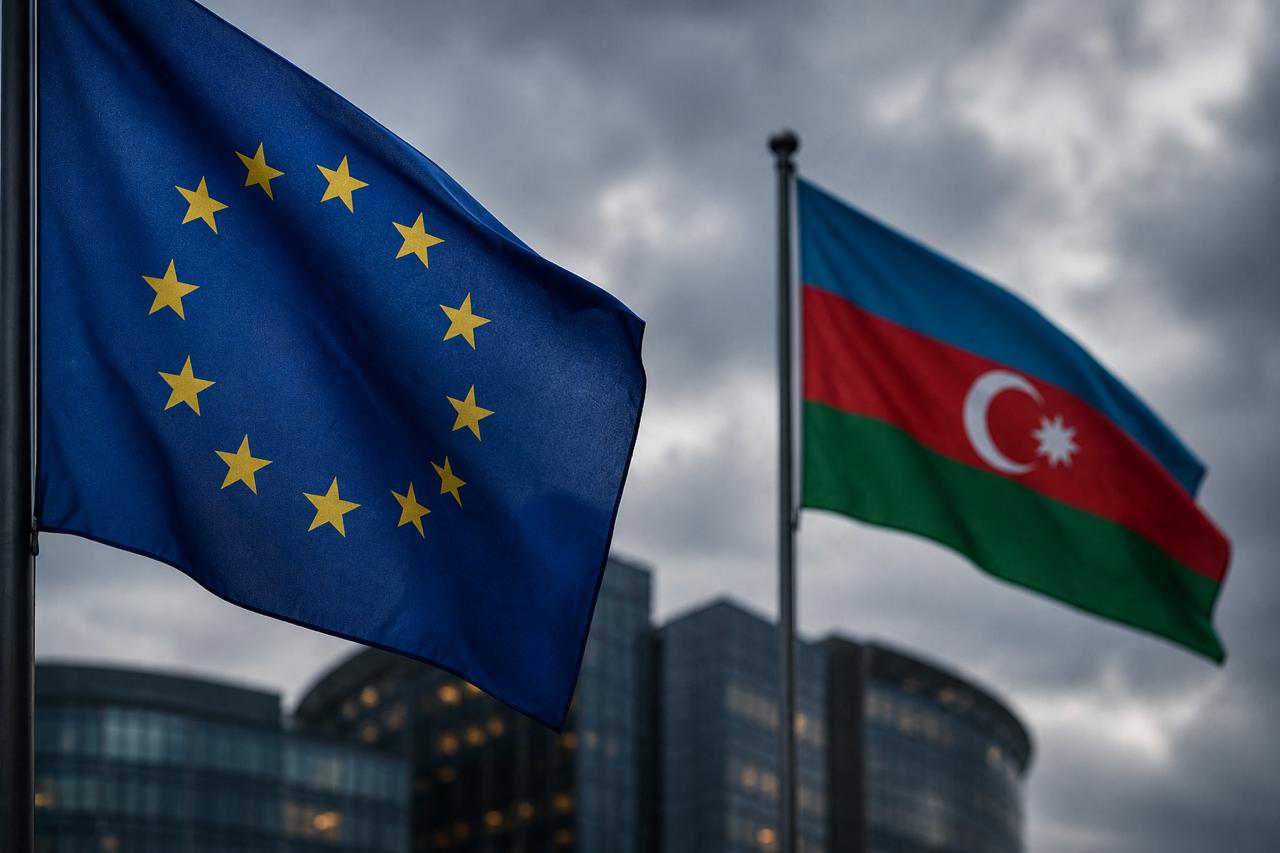
Right-wing MEPs blame the EU for the crisis in relations with Azerbaijan.
Several MEPs from right-wing and Eurosceptic factions criticized the EU's policy toward Azerbaijan and stated that pressure from Brussels could have led to the current crisis in relations with Baku.
These statements were made at a hearing in Strasbourg following Azerbaijan's decision to suspend cooperation with the European Parliament, cease participation in the EU-Azerbaijan Parliamentary Cooperation Committee, and initiate the process of leaving the Euronest Parliamentary Assembly. The conflict was sparked by European Parliament resolutions in which Brussels criticized Baku for its human rights record, pressure on independent media, and the consequences of the Karabakh conflict.
This does not reflect the position of the entire European Parliament, but rather the statements of a few MEPs—mostly representatives of right-wing and national-conservative groups.
Romanian MEP Cristian Terhesch of the European Conservatives and Reformists group stated that the European Parliament's April resolution on Armenia has become an "unfounded and counterproductive attack" on Azerbaijan. He argued that the EU is acting politically short-sightedly, given Baku's role in supplying gas to Europe and reducing dependence on Russia.
Angeline Furet of the Patriots for Europe faction called Azerbaijan's withdrawal from Euronest "a strategic defeat for Europe." She believes that Brussels attempted to simultaneously maintain an energy partnership with Baku and increase political pressure, which ultimately led to a deterioration in relations.
French MEP Thierry Mariani stated that the European Parliament's resolutions are hindering the peace process between Azerbaijan and Armenia. German MEP Thomas Fröhlich warned of potential risks to the EU's energy security if relations with Baku deteriorate further.
During the discussion, some speakers questioned the EU's approach to the South Caucasus. In their view, public criticism and political pressure have weakened the EU's influence in the region precisely at the moment when Baku and Yerevan were approaching a peace agreement.
However, the majority of the European Parliament has not publicly supported the position of right-wing MEPs. Sergey Lagodinsky, head of the European Parliament's delegation to Euronest, on the contrary, called on Baku to reconsider its decision to leave the Assembly and maintain dialogue with the EU.
Overall, the dominant position of the European Parliament remains critical of Azerbaijan. In recent years, MEPs have repeatedly adopted resolutions harshly criticizing Baku over the arrests of journalists, pressure on the opposition, and the situation surrounding Karabakh. Following the mass exodus of Armenians from the region, some MEPs even accused Azerbaijan of "ethnic cleansing" and demanded a stronger EU response.
According to Azerbaijani human rights activists, the number of political prisoners in the country by 2026 will exceed 300. Various monitoring groups cite figures ranging from 328 to 340 prisoners, whom they believe were arrested for political reasons. These include journalists, bloggers, opposition activists, human rights defenders, and religious figures.
Resolutions on Azerbaijan were supported by hundreds of MPs, not a narrow political group. Therefore, the current statements by right-wing MPs more likely reflect an internal dispute within the EU – between hard-line advocates of human rights and those who prioritize energy and geopolitics.
Earlier, Azerbaijani President Ilham Aliyev, speaking online at the European Political Community summit in Yerevan, stated that since 2021, the European Parliament has adopted 14 "anti-Azerbaijani" resolutions. He claimed that instead of addressing Europe's internal problems, MPs have made Azerbaijan "a target for slander and lies."
However, the Azerbaijani opposition and independent journalists interpret the conflict differently. Government critics believe that the deterioration in relations with the EU is a consequence of Baku's domestic policies—primarily the arrests of journalists, pressure on the opposition, and restrictions on independent media. These events have regularly prompted European Parliament resolutions in recent years.
Opposition Azerbaijani media often describe the current rift with the European Parliament not as "punishment by Europe," but as another stage of the country's self-isolation and the authorities' demonstrative refusal to engage in dialogue with Western institutions. Some critics of Aliyev believe the conflict with the EU is also being used for domestic mobilization, amid increased anti-Western rhetoric in state media.
Meanwhile, the space for public criticism within Azerbaijan remains limited: some independent journalists and activists are under criminal prosecution, and many opposition media outlets operate from exile.