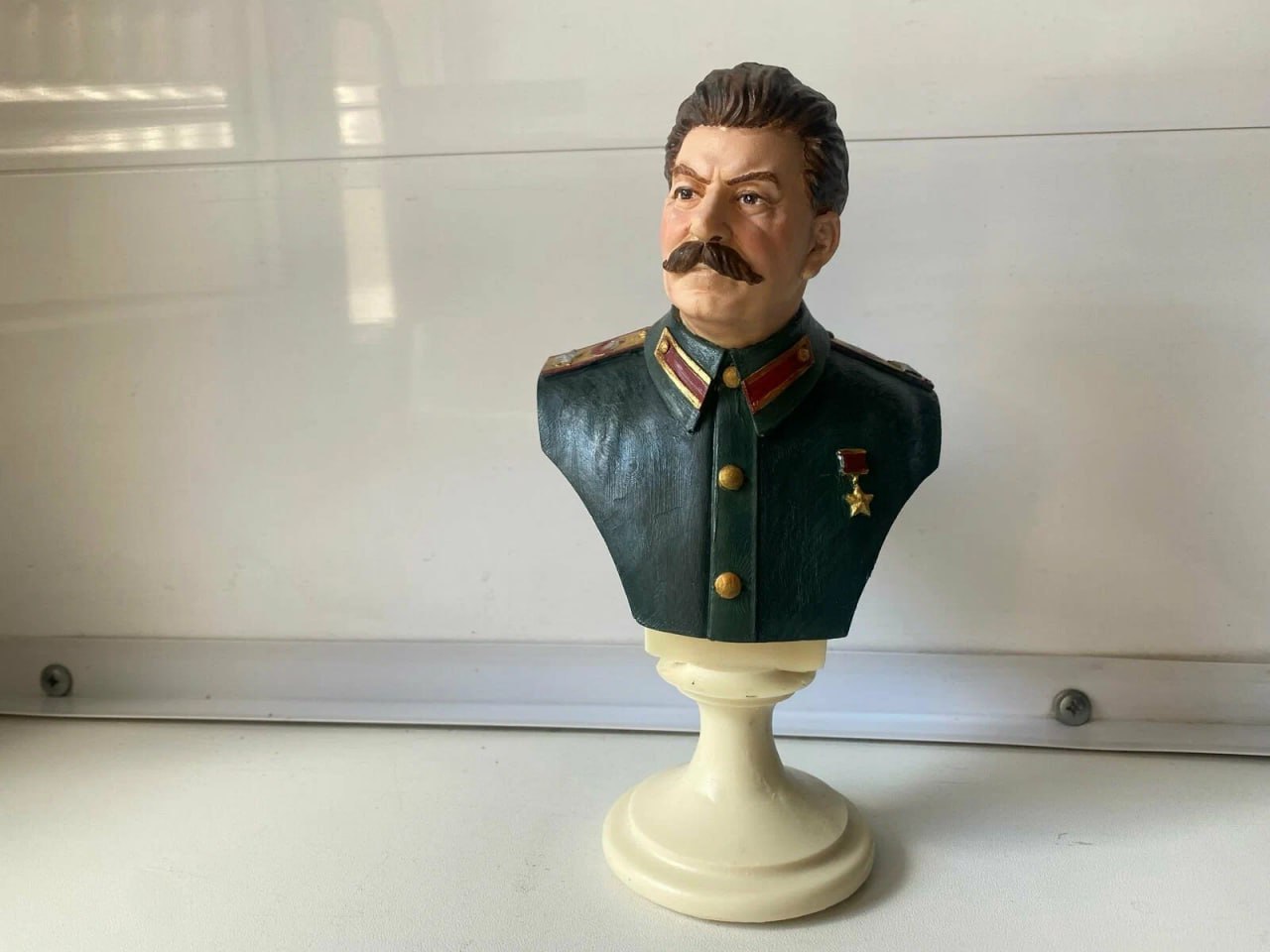
The Ingush Parliament Rescinds Ban on Immortalizing Stalin
In Ingushetia, the bill "On the Ban on Immortalizing Stalin's Memory," which had caused a widespread outcry, has been quietly repealed. This was reported by historian Ibragim Kostoyev, who noted the disappearance of the relevant text from the parliament's website and received a response from the republic's People's Assembly withdrawing the bill from consideration at the request of the prosecutor's office.
The bill, adopted in Ingushetia in its first reading in 2017, drew criticism from several State Duma deputies. They filed a complaint with the prosecutor's office, believing the decision violated equality before the law and restricted freedom of speech. Some deputies claimed that the deportation of the Ingush and Chechens in 1944 "benefited" the peoples of the North Caucasus and attributed Stalin's attempt to "protect the mountaineers from fascist reprisals."
Despite this, in 2017, the Ingush parliament declared its intention to follow through and pass the law despite the prosecutor's demands. The local branch of Memorial supported the deputies. Parliament Speaker Zelimkhan Yevloyev declared his determination to pass the law, regardless of individual opinions on Stalin's crimes.
"Someone may have a different opinion on Stalin's crimes, let them think so, but we will see it through, review it, and pass the law in any case," Yevloyev declared.
Ingushetia is one of the regions most affected by the repressions. In 1944, Stalin ordered Operation Lentil, during which approximately half a million Ingush and Chechens were deported to Kazakhstan and Kyrgyzstan on charges of treason and collaboration with the Nazis.