"They Lost Their Minds": Former FSB Director Blames Rescuer Errors for Hostage Deaths at Nord-Ost
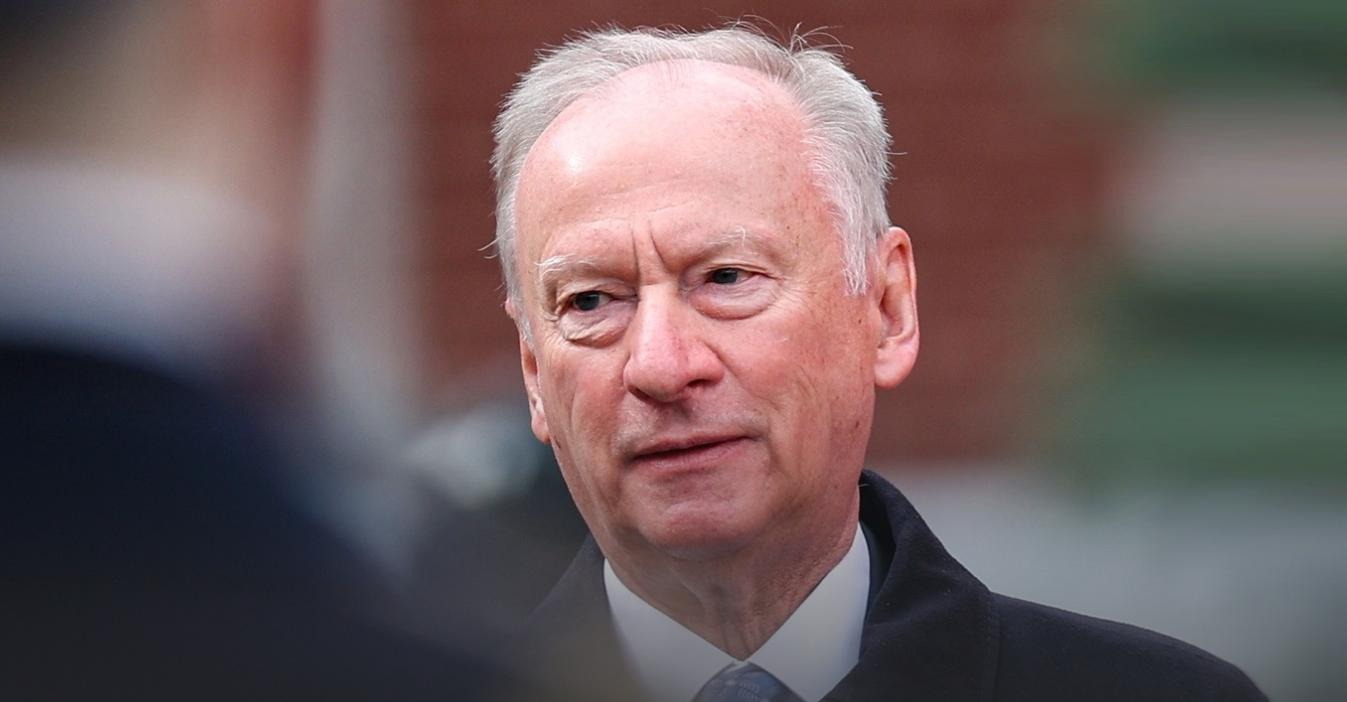
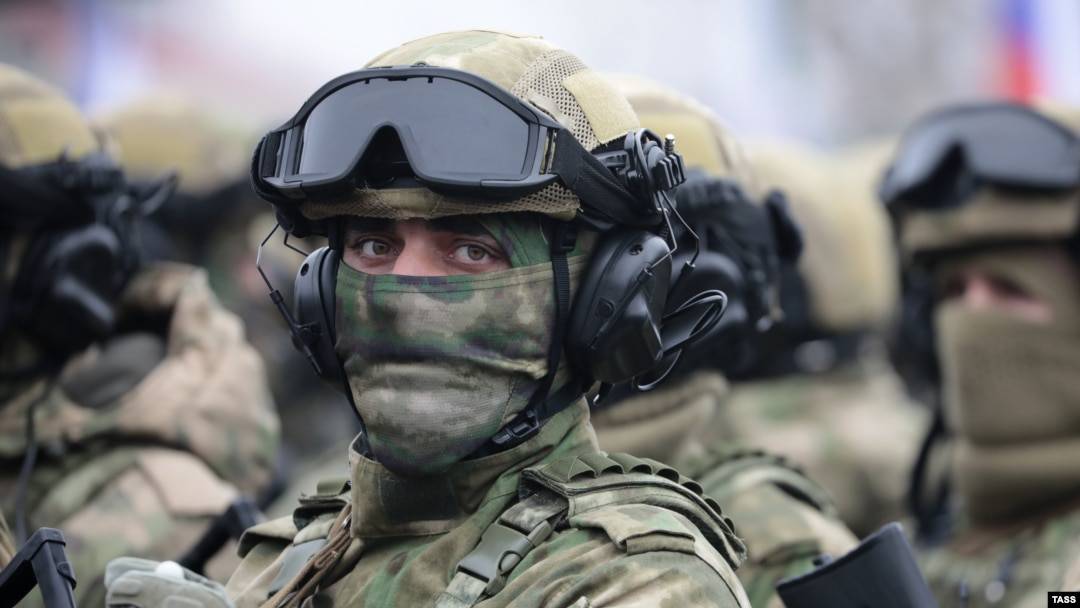
Vladimir Putin's aide and former FSB Director Nikolai Patrushev stated that one of the reasons for the hostage deaths during the storming of the Dubrovka Theater Center in 2002 was the actions of the rescue services, which were supposed to provide assistance immediately after the operation. In an interview with Rossiyskaya Gazeta, Patrushev said that FSB units "worked professionally," but after the terrorists were eliminated, problems arose with providing medical care to the freed hostages.
"I emphasize that the FSB units worked professionally. But the other services lacked such coordination. The fact is that after the terrorists were eliminated, all the hostages should have received the necessary assistance. This should have been provided by the rescue services that entered the auditorium after the special forces. But they lost their minds. "As a result, not all victims were given the antidote, and some hostages received a double dose. This led to losses," Patrushev explains, almost a quarter of a century later.
At that time, according to the former head of the FSB, "appropriate conclusions were drawn, including regarding the coordination of various agencies and their preparation for action in extreme situations. And to their credit, today the Ministry of Emergency Situations, under the leadership of Minister Kurenkov, operates much more effectively and professionally."
At the same time, he emphasized that the operation itself, in his opinion, was a success, since "the bandits failed to detonate any of the explosive devices; the terrorists were eliminated."
As a reminder, Sergei Shoigu headed the Russian Ministry of Emergency Situations during the terrorist attack and the subsequent assault. Patrushev did not mention him directly in the interview, but he did identify the rescue services, then under the ministry's jurisdiction, as the weak link in the operation.
This is not the first time the former FSB head has publicly commented on the circumstances of the assault. In Andrei Kondrashov's 2018 film "Putin," he claimed that some of the victims regained consciousness without an antidote, and described the substance used by the security services as safe. At the time, he made no complaints about the work of the Ministry of Emergency Situations.
The terrorist attack at the Dubrovka Theater Center in Moscow occurred on October 23, 2002. A group of Chechen militants led by Movsar Barayev seized audience members and actors of the musical "Nord-Ost." 916 people were taken hostage. On the morning of October 26, FSB special forces stormed the building using sleeping gas.
According to official figures, 130 people died.
The Nord-Ost movement, founded by former hostages and relatives of the victims, puts the death toll at 174. Relatives and some of the victims believe that most of the victims died as a result of exposure to the gas. Russian authorities reject this version, stating that the tragedy was caused by a combination of various factors, and that no direct link between the use of gas and the deaths has been established.