Russia’s Rostov region comes under renewed Ukrainian drone attack
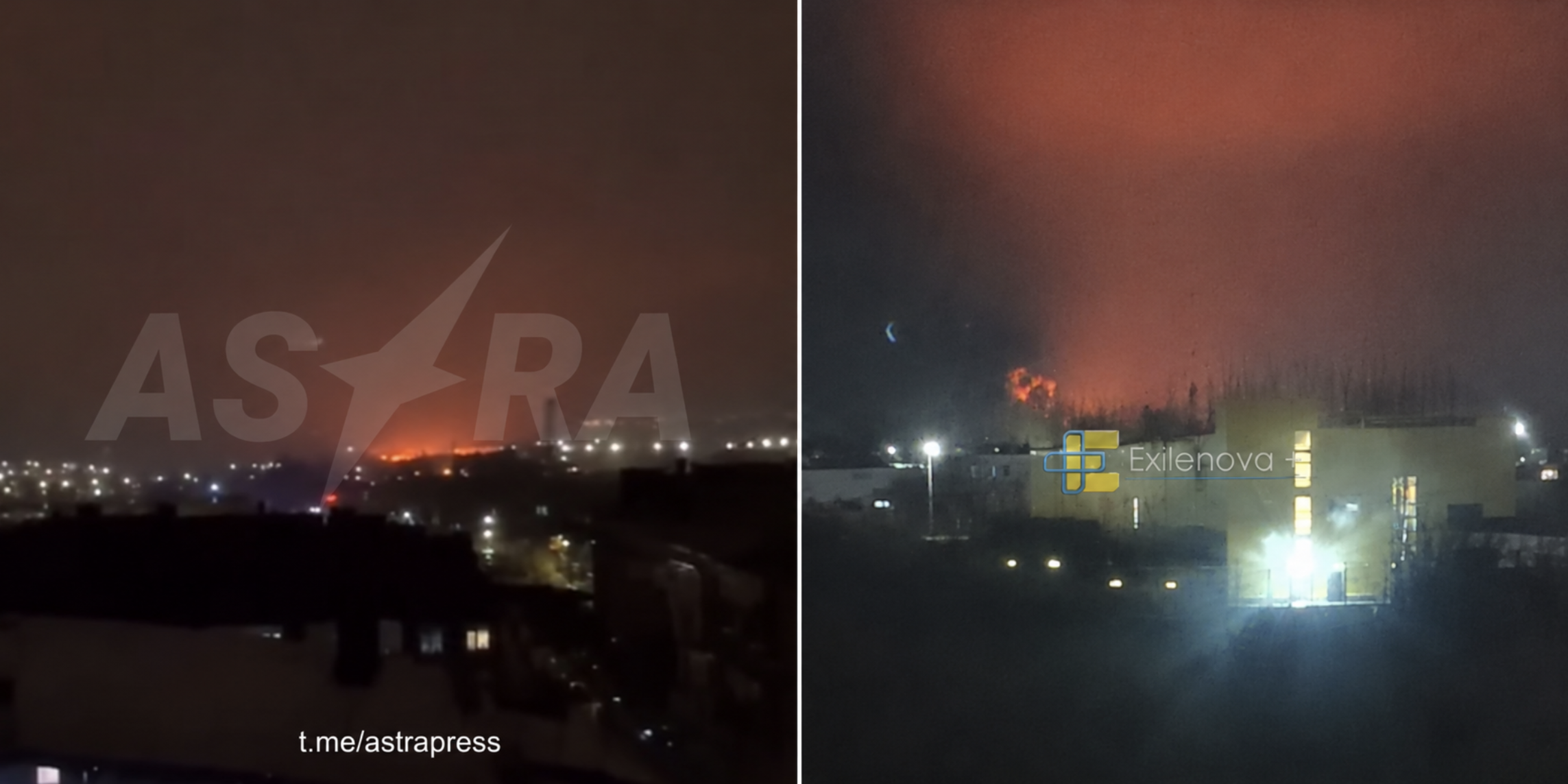
Russia’s Rostov region came under one of its largest drone attacks in recent weeks overnight on November 28. Regional Governor Yuri Slyusar said air defences had destroyed more than 50 unmanned aerial vehicles (UAVs) over the region. Local residents and independent media reported a major fire near Novoshakhtinsk.
Drones were destroyed over Novoshakhtinsk and the Bokovsky, Verkhnedonsky, Krasnosulinsky, Oblivsky, Ust-Donetsky, Chertkovsky and Sholokhovsky districts of the Rostov region, Slyusar said on his channel on the Max messaging platform. According to the governor, emergency services were still assessing whether there had been any casualties or damage to infrastructure.
The authorities reminded residents of a regional ban on photographing or filming air defence operations and the aftermath of attacks, as well as publishing such material online.
Witnesses reported hearing a series of powerful explosions before a glow appeared in the sky above the city. Monitoring outlets Astra and Exilenova+, citing local residents, reported a fire at the Novoshakhtinsk oil refinery. According to their reports, fuel storage tanks may have caught fire.
By morning, neither the regional branch of Russia’s Emergencies Ministry, the refinery’s management nor the regional authorities had confirmed or denied the reports.
The raid on the Rostov region was part of a large-scale Ukrainian drone attack that affected 16 Russian regions, according to official figures. In its morning briefing, Russia’s Defence Ministry said air defence forces had intercepted and destroyed 1,246 fixed-wing drones overnight.
In addition to the Rostov region, the Moscow region and the Bryansk, Kaluga, Belgorod and Samara regions came under attack. Citing flight safety concerns, Russia’s civil aviation authority, Rosaviatsiya, temporarily imposed emergency air traffic restrictions under the so-called Kovyor (‘Carpet’) protocol at Moscow’s Vnukovo and Domodedovo airports, as well as airports in Krasnodar, Samara and Ufa.