800 Days for the Truth: Azerbaijani Journalists' Prison Cells Shown in Paris
In Azerbaijan, imprisonment is increasingly being used as a tool to pressure independent media, according to the international human rights organization Reporters Without Borders (RSF), which launched an international protest to clearly demonstrate the conditions in which Azerbaijani journalists are held.
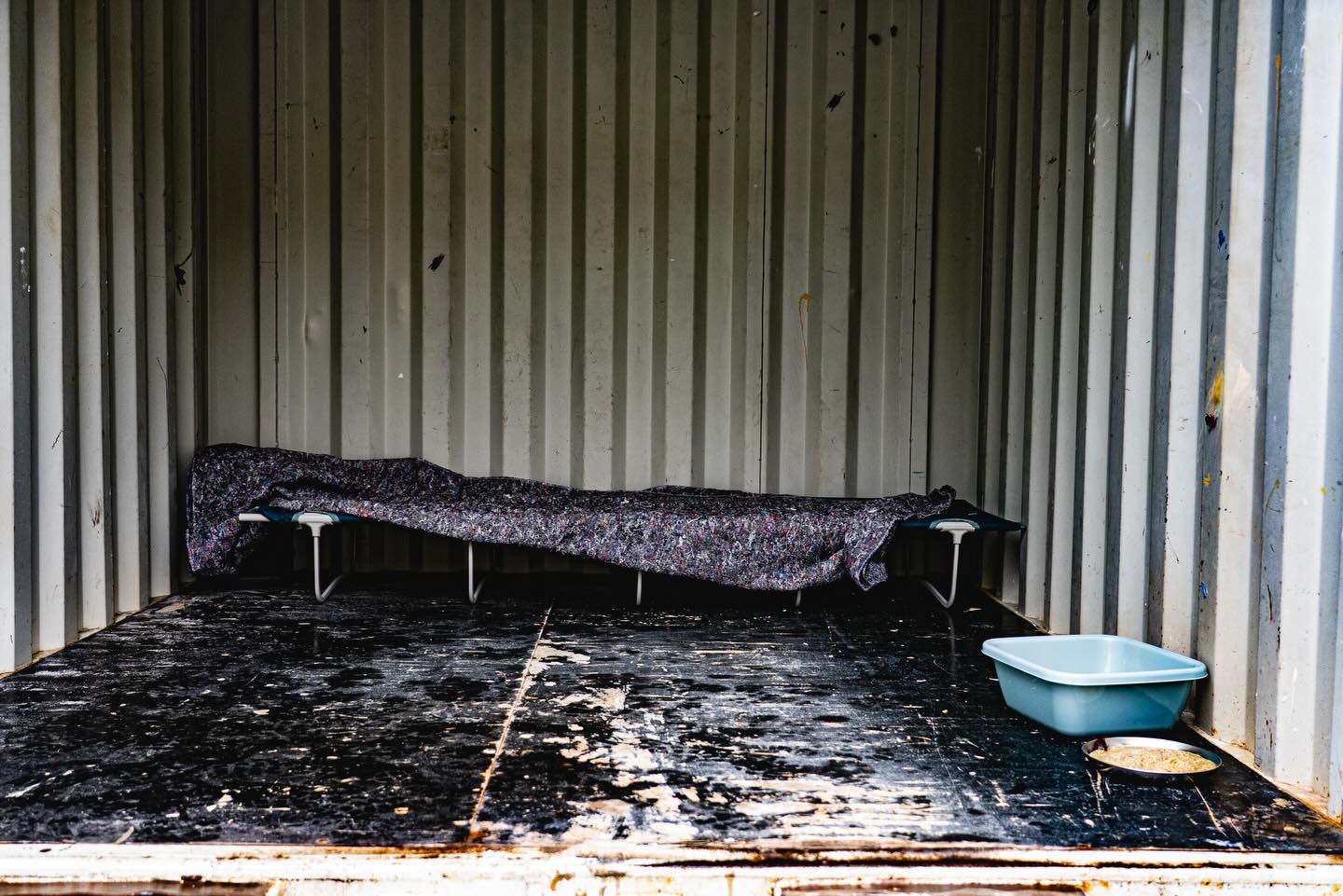
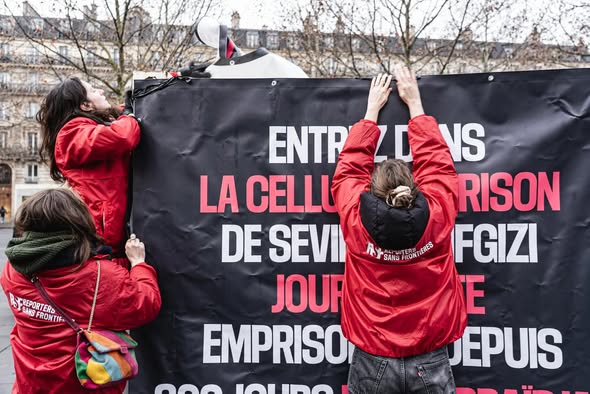
As RSF notes, "in Azerbaijan, prison has become an instrument of censorship." To draw attention to the repression of media workers, the organization installed special containers replicating prison conditions in central squares of Paris, Berlin, and Bern.
One such container was placed in the Place de la République in Paris. Its area—less than four square meters—corresponds to the size of a solitary confinement cell in Azerbaijani detention centers. Visitors are invited to literally step inside to experience the conditions in which journalists are held for months and years.
According to the organization's representatives, the goal of the protest is "to make visible the organized asphyxiation and to remind people that even behind bars, these journalists continue to defend their right to report."
RSF emphasizes that the Azerbaijani authorities systematically deprive imprisoned journalists of basic rights—medical care, access to water, information, and communication with the outside world.
"By depriving journalists of medical care, water, human contact, and information, the regime seeks to strangle them physically and professionally," the organization's Facebook page states.
Reporters Without Borders specifically mentions investigative journalist Sevinj Vagifgizi, who has been in prison for nearly 800 days. According to human rights activists, she is "paying the price for her work as an investigative journalist."
The protest, which began on Wednesday, January 28, is part of an international mobilization in defense of press freedom. RSF emphasizes that even behind bars, Azerbaijani journalists continue to write—including about their conditions of detention and the plight of their cellmates—thus not abandoning their professional mission.