The murder of a mentally ill resident of Samashki and videotaping of a staged fight

November 26, 2001

***
On the western outskirts of the village of Samashki, soldiers from checkpoint No. 13 killed local resident Isa Musaevich Daduev. He was disabled, mentally retarded from birth. Together with his father, a state farm worker, he went to the fields and drove cattle away from the winter wheat crops. At the same time, I repeatedly encountered military personnel and POM employees who were patrolling the outskirts of the settlement. There were no complaints against him.

But on this day, according to eyewitnesses - residents of houses on the outskirts of the village of Samashki - for some reason Russian soldiers drove up to Isa Daduev in an armored personnel carrier. After a short conversation, they began to beat him with rifle butts and kicks. When he fell to the ground and lay motionless, one of the soldiers shot him. Village residents saw how the military placed a machine gun next to the dead man and filmed the “battle scene” on a video camera. People began to approach the scene, and the killers hastened to escape.

When examining the corpse of Isa Daduev, it was found that he had several broken ribs and a jaw, there were multiple bruises on his head and body, and a bullet hole in the neck area. Having taken the body, local residents went to the POM in the premises of the Zagotzerno association: they began to throw stones at the department’s guards. When a Russian officer came out to them, the indignant residents of Samashki turned to him with a demand to find and punish the killers of the weak-minded man.

According to available information, the corpse of Isa Musaevich Daduev, surrounded by weapons, was soon shown on one of the Russian television channels. The commentary on the story said that this was the corpse of an Arab mercenary.


From the book “People Live Here”, Usam Baysaev, Dmitry Grushkin, 2006.

Последние новости
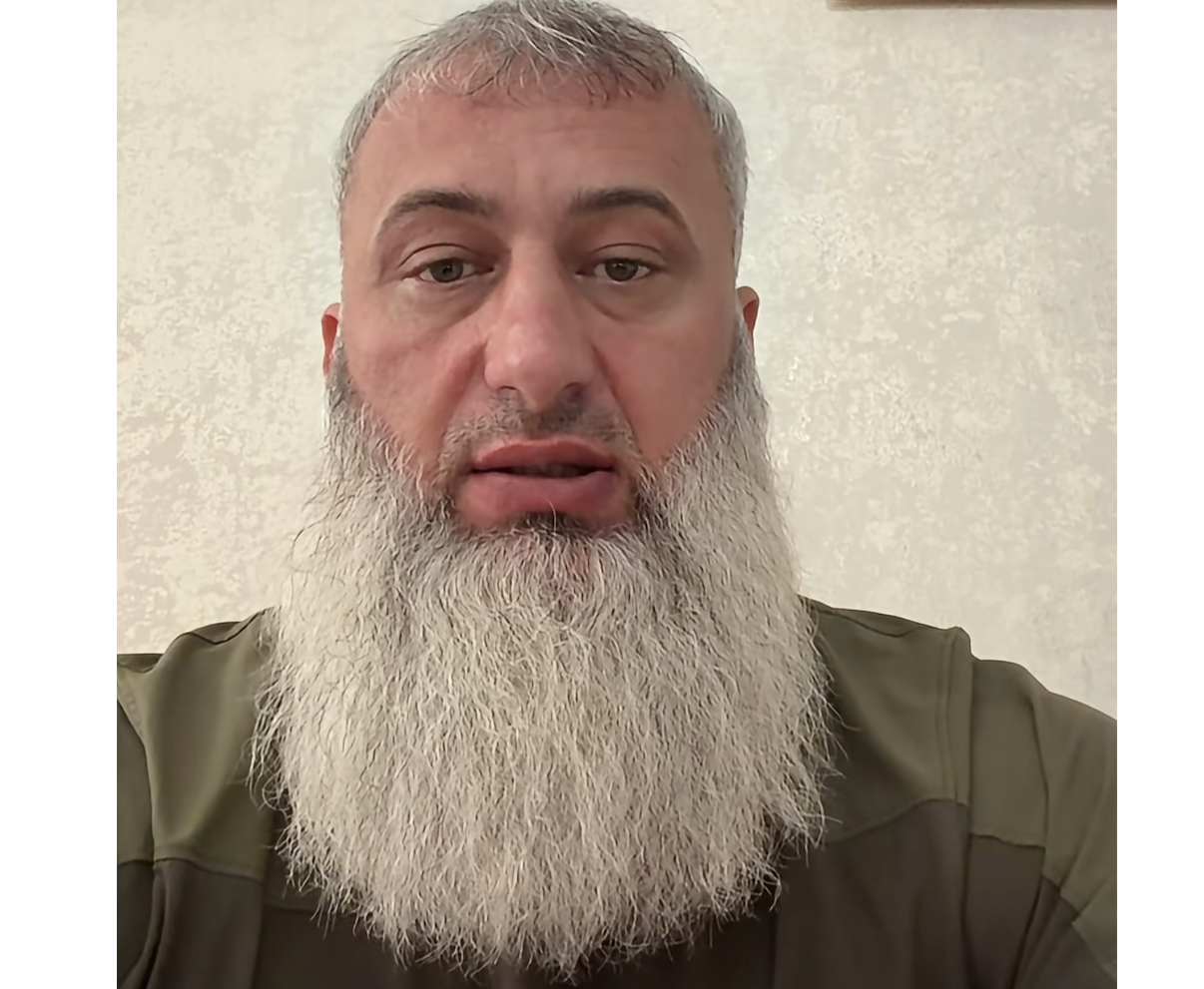
Командир спецполка  им. Кадырова подтвердил угрозы в адрес тех, кто
News
Командир спецполка им. Кадырова подтвердил угрозы в адрес тех, кто "помогает террористам"
22 October 2026

Командир полка полиции специального назначения имени Ахмата Кадырова МВД по Чечне Замид Чалаев накануне во время прямого эфира в Instagram попытался разъяснить свое видеообращение, опубликованное двумя днями ранее, в котором он пригрозил предполагаемым экстремистам пулей «без суда и следствия». 

Russian Court Refuses to Release Seriously Ill Former Head of a Crimean Muslim Community
Human rights
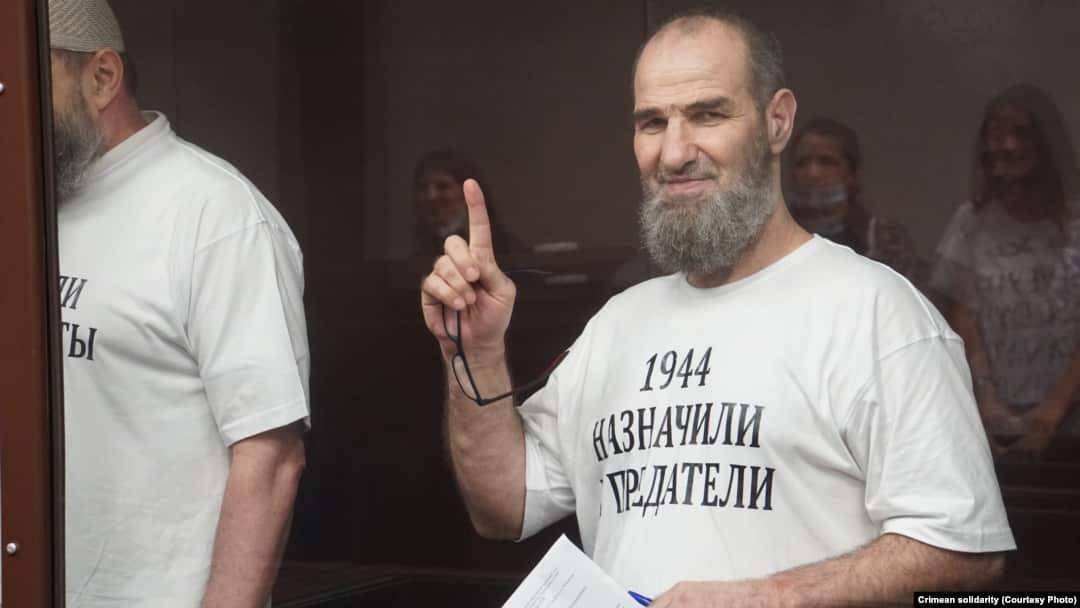
Russian Court Refuses to Release Seriously Ill Former Head of a Crimean Muslim Community
22 October 2026

The Isagorsky District Court in Arkhangelsk has denied a request for the release of Lenur Khalilov—convicted in the "Hizb ut-Tahrir" case—from a penal colony on health grounds. The prisoner has been diagnosed with liver cancer and requires treatment in a specialized medical facility. This was reported by Ukrainian journalist Anton Naumlyuk, who covers the persecution of Crimean Tatars.

Ukraine attacked from Rostov Oblast with drones and cruise missiles
Chronicle of Wars and Crimes
Ukraine attacked from Rostov Oblast with drones and cruise missiles
22 October 2026

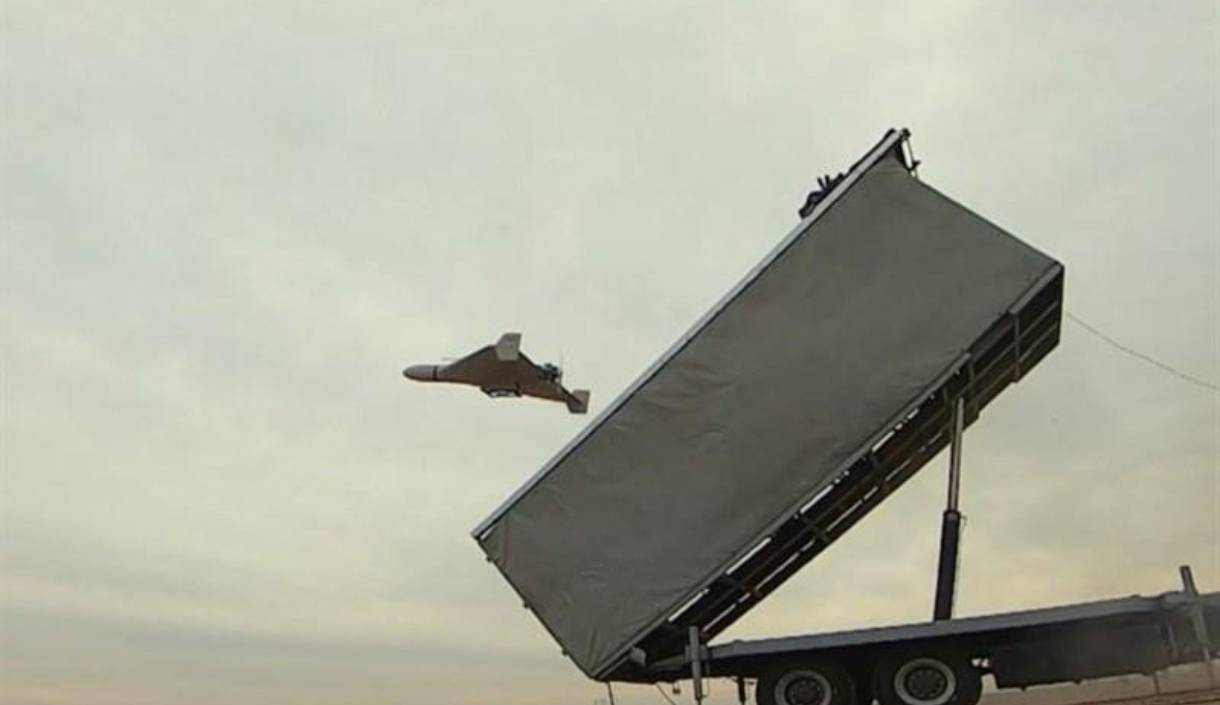
On the morning of October 22, Ukrainian authorities reported that the country had been targeted overnight by 210 aerial weapons, including missiles (Iskander-M, S-400, Zircon, and Onyx) and attack drones (such as Shahed and Gerbera models). According to the Ukrainian Air Force, some of these were launched from the Millerovo testing ground in Rostov Oblast and from Primorsko-Akhtarsk in the Kuban region.

Israel becomes a source of discord: Azerbaijan bans 31 Turkish citizens from entering the country
Politics
Israel becomes a source of discord: Azerbaijan bans 31 Turkish citizens from entering the country
21 October 2026

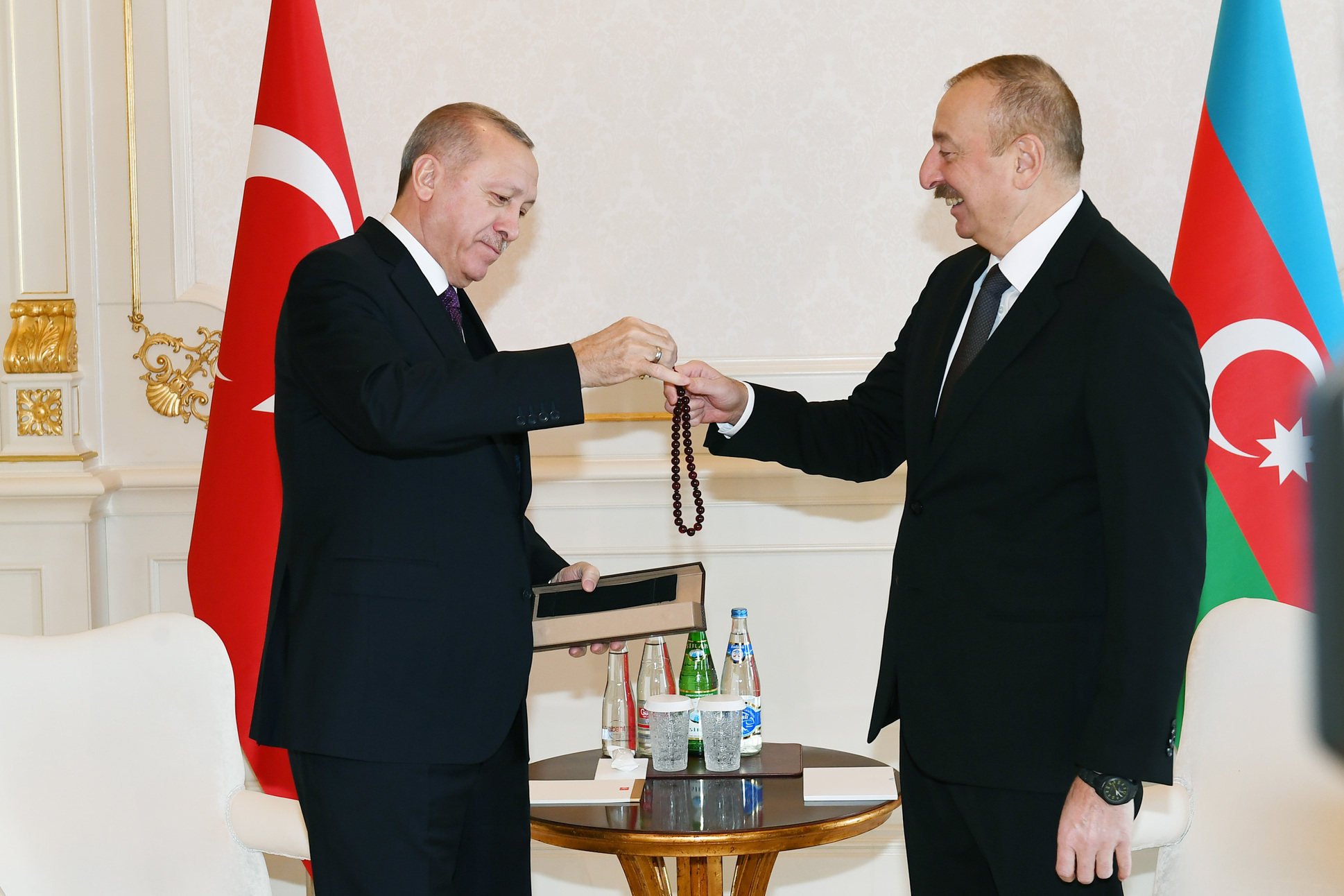
Azerbaijan has banned 31 Turkish citizens from entering the country, including Fatih Erbakan, leader of the New Welfare Party, MP Ömer Faruk Gergerlioğlu, journalists and religious figures. Azerbaijan’s Foreign Ministry said the decision was prompted by their online publications, which it assessed as containing calls for the violent overthrow of the government and incitement to religious hatred. The ban marks another stage in the deterioration of relations between the two countries, which began after a diplomatic walkout at the UN General Assembly and intensified over restrictions on the wearing of hijabs in Azerbaijani schools.