
Southern Russia hit again by Ukrainian drone attacks
12 September 2026
Tourist traffic to Dagestan has declined for the first time in years
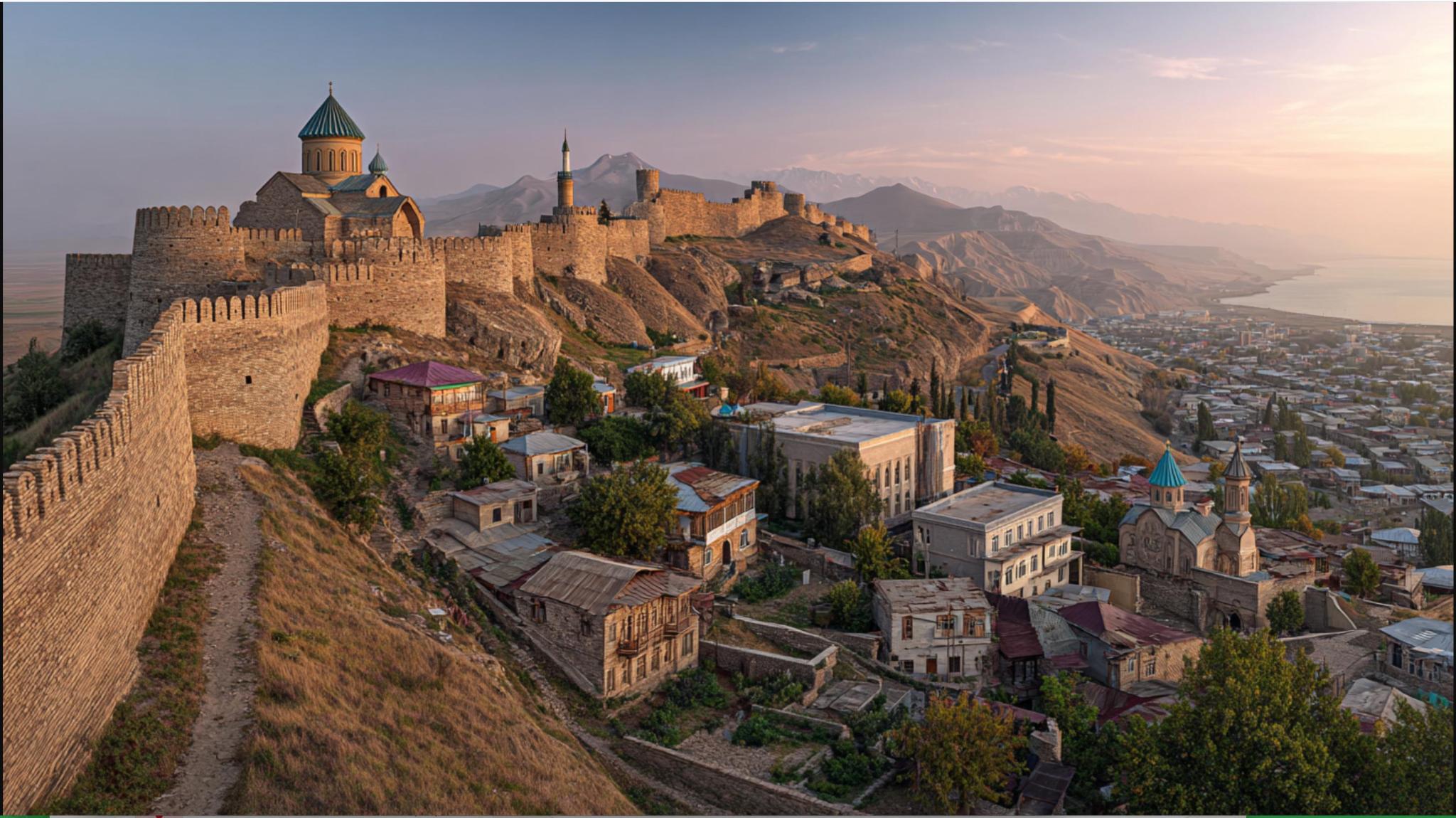
Dagestan, which had remained one of Russia’s fastest-growing tourist destinations for several years, has recorded a drop in tourist traffic for the first time in that period. In the first half of the year, the republic was visited by 719,000 people—15% fewer than the year before.
Over the past few years, Dagestan had been a major destination for domestic tourism, with interest surging after the number of accessible foreign routes for Russian travelers decreased. Authorities attribute the downturn to spring floods, while industry players also point to a shift in tourist preferences.
According to the republic’s Ministry of Tourism and Folk Arts and Crafts, 719,000 people visited the region between January and June—a 15% decrease compared to the same period last year.
The regional ministry cites spring floods and heavy precipitation—which damaged some tourism infrastructure in March and April—as the primary reasons for the decline. Despite the impact of the severe weather, authorities maintain that key attractions continue to welcome visitors as usual. As of July 1, there were 197 licensed tourist routes operating in the republic, and the number of certified tour guides had increased by 50.
Despite the drop in tourist numbers, the industry's financial performance continues to grow. Preliminary data from Dagstat shows that the value of tourism services provided in the first five months of the year reached ₽7.7 billion. Authorities also note an increase in the number of hotels and other accommodation facilities, partly due to businesses moving out of the informal economy.
However, representatives of the tourism industry believe that the decline in tourist traffic is due to more than just the effects of the severe weather.
As early as spring, tour operators reported mass trip cancellations following the floods. According to Dagestan’s Ministry of Tourism, approximately 30% of tours scheduled for the upcoming period were cancelled. Sergey Romashkin, CEO of the tour operator Dolphin and Vice President of the Association of Tour Operators of Russia, stated that approximately 50% of spring sightseeing tours were cancelled due to the floods, while new bookings came to a virtual standstill. At the same time, Romashkin noted that major attractions remained open, with many itineraries merely adjusted to account for weather conditions.
Market players also point to a shift in the structure of demand. They estimate that some tourists have returned to traditional Black Sea resorts, while the surge of interest in Dagestan—seen after the closure of several foreign destinations a few years ago—is gradually slowing down.
The Ministry of Tourism expects the situation to improve in the second half of the year. The agency anticipates that the traditionally high demand in August, September, and October will help partially offset the decline in performance figures. According to the ministry, the average occupancy rate for hotels and other accommodation facilities stood at 40–45% from January to June, with coastal areas and mountain routes remaining the most popular choices among tourists.
Последние новости


