Armenia Ships First Batch of Apricots to Europe
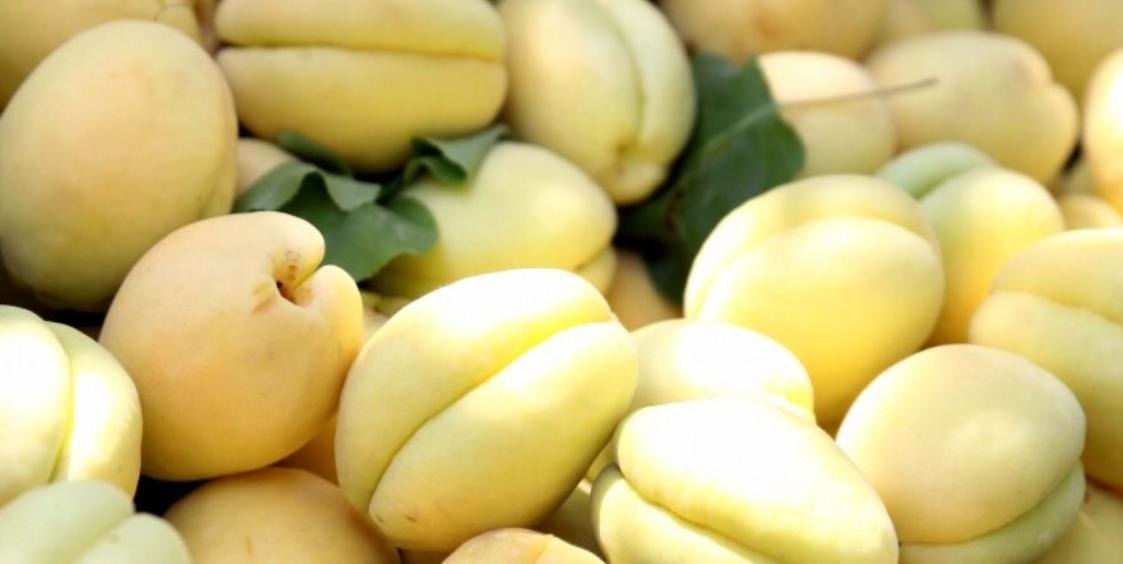
The first shipment of Armenian apricots will arrive in Poland in the coming days. Exports will subsequently expand to other European countries.
According to Artur Lewandowski, CEO of Hayway Group, this will be the first time Armenian products have appeared in major European retail chains.
"For many, this is just another batch of apricots. For me, it symbolizes the opening of new economic opportunities for Armenia," Lewandowski noted.
As a reminder, Russia previously imposed a de facto ban on imports of Armenian agricultural products, including fish, flowers, mineral water, vegetables, and fruits. These sanctions followed a sharp cooling in relations between Yerevan and Moscow. Russian authorities have expressed dissatisfaction with the pro-European policy pursued by Prime Minister Nikol Pashinyan. Armenia has officially appealed to the Eurasian Economic Commission (EEC) regarding problems arising in exporting products to Russia.
The European Commission recently approved €34 million in financial support for Armenia, intended to offset losses suffered by local businesses due to Russia's trade restrictions. This amount represents the first tranche of a broader assistance program. The package will also include simplified customs procedures and a number of other initiatives aimed at increasing the country's economic stability. The new support programs are expected to have a positive impact on a significant portion of Armenia's agricultural sector. The total volume of proposed annual financial assistance is estimated at approximately €420 million.
Furthermore, EU Enlargement Commissioner Marta Kos emphasized the importance of developing the so-called "Middle Corridor." This transport route connects Europe and Asia via Turkey, the South Caucasus, and the Caspian Sea, offering an alternative to the northern route, which runs through Russian territory.