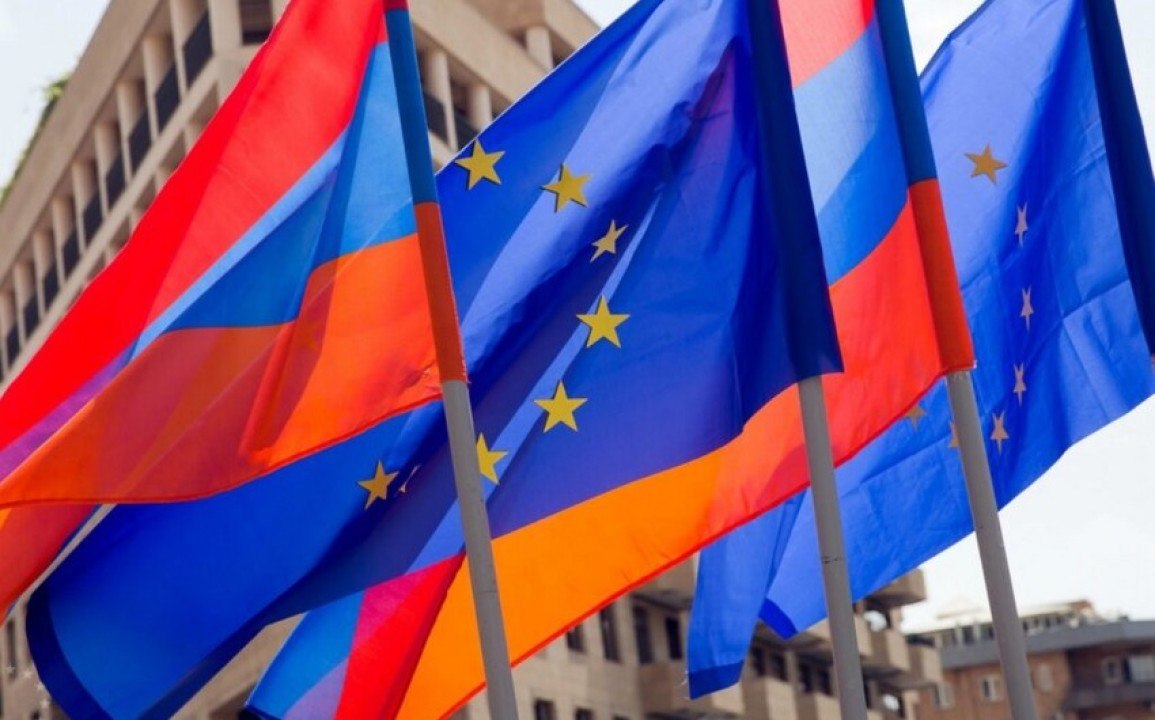
The European Union will provide assistance to Armenia amid Russia's trade bans
The European Commission is actively developing measures to strengthen trade ties with Armenia in response to economic sanctions imposed by Russia. Specifically, special trade initiatives are being developed to reduce duties on Armenian food and agricultural exports.
These innovations are expected to affect a significant portion of the goods subject to Russian restrictions, totaling approximately €420 million per year.
Brussels believes that Moscow used the trade measures as a tool to pressure the pro-European Armenian leadership ahead of the elections.
Commenting on the ban on imports of Armenian products, Rosselkhoznadzor claims that the reason lies in quality control issues, not political motives. In an interview with Rossiyskaya Gazeta, the head of the agency, Sergei Dankvert, noted that there is long-standing evidence of violations and problems with internal quality control among Armenian producers.
Meanwhile, Armenian Central Bank Governor Galstyan predicts that restrictions on exports to Russia could lead to a 2% decline in the country's GDP. According to him, exports to Russia account for approximately 6% of Armenia's GDP, and the banned goods account for approximately a third of this amount. The severity of the consequences will depend on the duration of the restrictions. Galstyan also noted that, despite the low probability of a sharp increase in the price of Russian gas, inflation risks remain.
Earlier, Russian authorities banned the import of certain Armenian vegetables, fish, cognac, mineral water, and flowers.