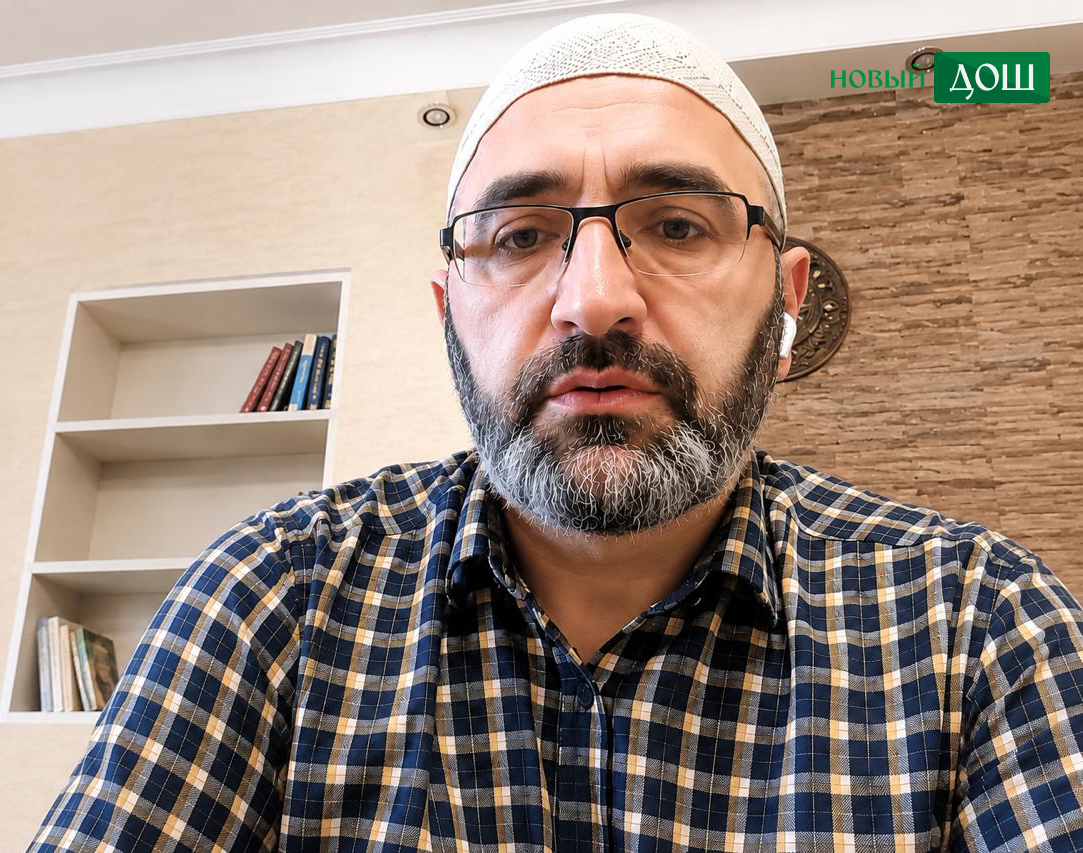
The FSB has taken Akhmed Tangiyev, former deputy mufti of Karelia, after he was detained in North Ossetia, to St. Petersburg.
The arrest of Ingush theologian and public figure Akhmed Tangiyev has been announced. It was through Telegram channels associated with him that one of the first publications about Tangiyev's arrest began to spread. Tangiyev was first taken to Vladikavkaz and then to St. Petersburg.
The official reasons for his arrest have not yet been disclosed. There is currently no information about a criminal case or charges. Tangiyev's relatives claim they have been unable to obtain information about his whereabouts and legal status for a long time. The family has hired a lawyer, but the defense has not yet been able to meet with him.
Akhmed Tangiyev previously served as deputy mufti of Karelia and headed the local Spiritual Administration of Muslims. In recent years, he participated in religious education projects in Ingushetia, collaborated with republican agencies, and appeared on regional television.
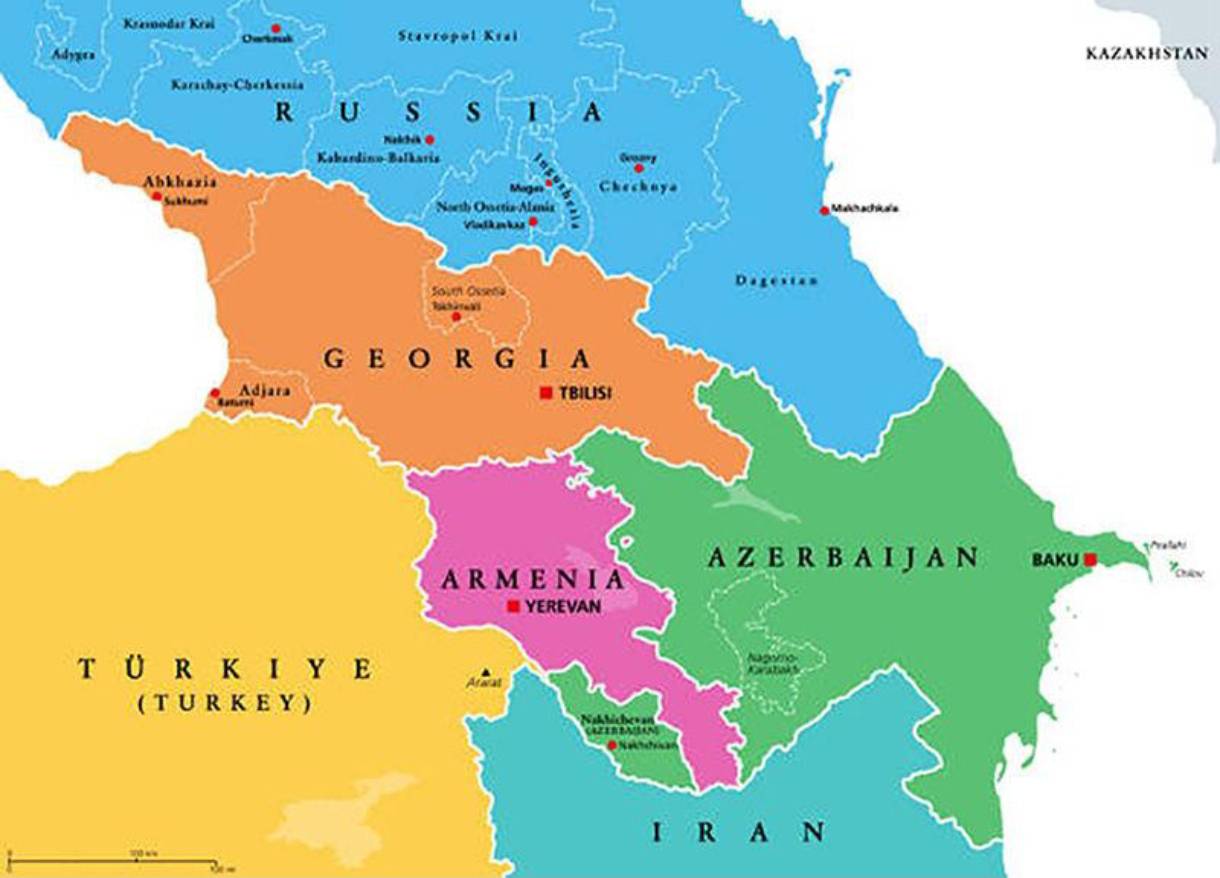
The arrest of Ingush theologian and public figure Akhmed Tangiyev has been announced. According to sources close to his family, he was detained on May 12 in the village of Bazorkino in the Prigorodny District. Tangiyev was then taken first to Vladikavkaz and then to St. Petersburg.
The official reasons for his arrest have not yet been disclosed. There is currently no information about a criminal case or charges. Tangiyev's relatives claim they have been unable to obtain information about his whereabouts and legal status for a long time. The family has hired a lawyer, but the defense has not yet been able to meet with him.
Akhmed Tangiyev previously served as deputy mufti of Karelia and headed the local Spiritual Administration of Muslims. In recent years, he participated in religious education projects in Ingushetia, collaborated with republican agencies, and appeared on regional television.
Tangiev's arrest came amid reports of inspections, detentions, and investigative actions against representatives of Muslim organizations in various regions of Russia, as Novy DOSH previously reported.
On May 19, a Moscow court sentenced Visam Ali Bardvil, the imam of a mosque in Yuzhnoye Butovo and former mufti of Karelia, to 15 days in jail. The arrest was based on an administrative case of disobeying police officers. Rail Asainov, the mufti of Mordovia, was detained in Saransk. There were also reports of the arrest of Mohammed Henni, chairman of the Northwest Muslim Community, in St. Petersburg, and El Hih Nidal Awadallah Akhmed, advisor to the mufti of the Saratov Region.
All of them are associated with the Spiritual Administration of Muslims of Russia, led by Ravil Gainutdin. In recent years, the Spiritual Administration of Muslims (SAM) has repeatedly been the subject of public controversy and conflict, including following the discussion of a fatwa on polygamy, as well as Russian court decisions that deemed certain Islamic materials distributed by structures affiliated with the SAM to be extremist.
Observers were particularly drawn to the fact that these were not independent Islamic activists or underground religious groups, but rather representatives of the official Muslim clergy and organizations that traditionally interact with the state. For many years, such structures were considered part of the state-built system of "traditional Islam," participating in official events and maintaining a loyal stance toward federal authorities.
At the same time, official muftiates have often been criticized in Muslim circles for their caution and reluctance to publicly defend believers in high-profile cases. Against this backdrop, these developments have sparked discussions about how pressure, previously associated primarily with independent Islamic activists, could also affect representatives of established Muslim structures.
The reaction of far-right and nationalist websites added further resonance to the situation. Following the initial reports of the arrest, a number of these platforms began to interpret the events as part of the "fight against the Islamization of Russia."
One of the main commentators on this campaign was Roman Silantyev, one of the most well-known exponents of anti-Muslim rhetoric in Russia. For many years, he promoted the idea of a "threat of Islamization," spoke out against Muslim organizations, migrants, and Islamic communities, and made statements that critics viewed as calls for mass violence against Muslims. His remarks about the need to "exterminate 700,000 Muslims" generated the most widespread response. It was through Telegram channels affiliated with him that one of the first publications about Tangiyev's arrest began to spread, while official law enforcement agencies offered virtually no comment.