Crimean Solidarity is a "foreign agent" in Russia
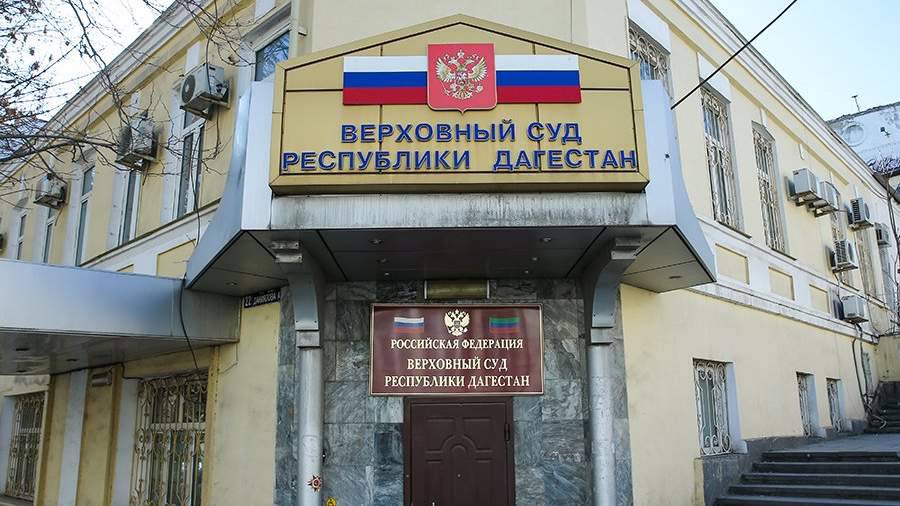
The Russian Ministry of Justice has added the Crimean Tatar human rights organization Crimean Solidarity to the register of foreign agents.
The ministry's statement stated that, according to the Ministry of Justice, the organization disseminated false information about the activities of Russian government agencies and participated in the dissemination of materials created by individuals and organizations already designated as foreign agents. The Russian Ministry of Justice also wrote about the project's contacts with Ukrainian government agencies and representatives of organizations designated by the Russian authorities as terrorist.
Crimean Solidarity was founded in 2016. Its members state that its activities are aimed at providing legal and humanitarian assistance to those arrested and their families, as well as highlighting cases of politically motivated persecution of Crimean Tatars.
According to information posted on the project's official resources, the legal team provides support to civil society activists, journalists, bloggers, religious figures, and other individuals involved in public affairs. Priority areas include protecting human rights, combating discrimination, and providing legal assistance in high-profile criminal cases.
International human rights organizations have repeatedly characterized Crimean Solidarity as an independent initiative supporting political prisoners, while Russian authorities view the project's activities in a different legal context.
Following Russia's annexation of Crimea in 2014, which received no international recognition, many residents of the peninsula who opposed the change in its status, as well as a number of public, political, and religious associations, faced persecution by Russian authorities. Organizations operating legally in Ukraine, including the Islamic party Hizb ut-Tahrir, banned in Russia as a terrorist organization, found themselves outside the Russian legal system, and their members faced criminal prosecution.
According to international human rights organizations, since the start of Russia's full-scale invasion of Ukraine in 2022, pressure on civil society activists, independent journalists, and representatives of the Crimean Tatar community in Crimea has intensified.