To Spite Erdogan: A Century Later, Israel Recalls Its "Moral Obligation" to Armenians
The Israeli government unanimously supported a proposal to recognize the mass extermination of Armenians in the Ottoman Empire during World War I as genocide. The initiative was sponsored by Foreign Minister Gideon Saar.
The decision was made at a cabinet meeting on Sunday, June 28. The document must then be ratified by parliament.
"It's never too late to do the right thing," Saar emphasized after the vote.
According to him, with this decision, the country fulfilled its moral obligation to historical truth.
"In my view, this is our moral obligation as Jews and, of course, as the state of the Jewish people," the diplomat stated.
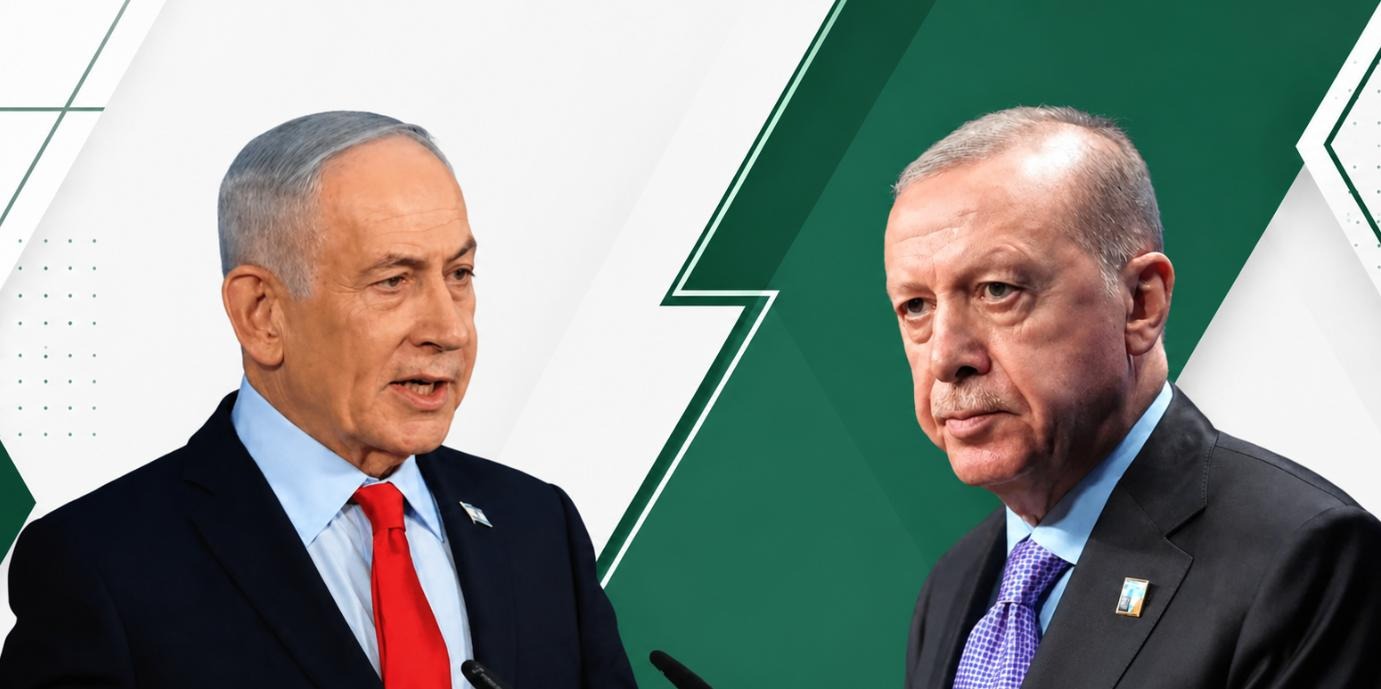
This move could lead to a new round of tension in relations between Israel and Turkey, which considers itself the successor state to the Ottoman Empire. Back in 2025, Israeli Prime Minister Benjamin Netanyahu became the first Israeli head of government to publicly call the Armenian tragedy a genocide.
For many years, Israel avoided officially recognizing these events, despite repeated debates in parliament. Observers believe one of the main reasons was the desire not to complicate relations with Ankara. However, Israel's military operation in the Gaza Strip ultimately deteriorated relations between the two countries, effectively wiping out years of cooperation. In 2023, Turkish President Recep Tayyip Erdoğan accused Israel of "genocide" against Palestinians.
According to the prevailing view in international historiography, approximately 1.5 million Armenians were killed in the Ottoman Empire in 1915–1916 as a result of systematic persecution and extermination. Turkey consistently rejects the designation of these events as genocide, although it acknowledges the mass deaths of Armenians during World War I. Ankara has repeatedly stated its readiness to open archives from that period and create a joint commission of historians to study the events of 1915 and develop a common historical assessment.