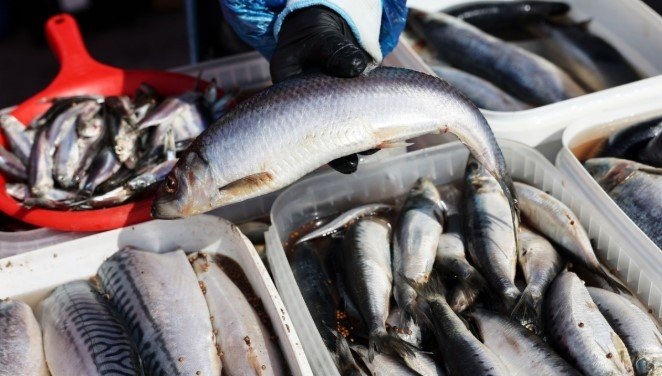
Russia has completely banned fish imports from Armenia
Rosselkhoznadzor (the Federal Service for Veterinary and Phytosanitary Surveillance) has banned the import of fish products from Armenian companies previously licensed to supply Russia. According to the agency, this move was prompted by violations similar to those previously discovered.
Rosselkhoznadzor emphasized that it is actively cooperating with Armenian partners to guarantee the safety of fish products entering the Russian market.
The import restrictions come amid a sharp cooling in relations between Armenia and Russia. Moscow has expressed dissatisfaction with the pro-European policy pursued by Prime Minister Nikol Pashinyan. In response to Armenia's desire to strengthen ties with Europe, Russia has begun imposing restrictions on the import of Armenian goods, including flowers, mineral water, vegetables, fruits, and fish.
The European Commission subsequently allocated €34 million in financial assistance to Armenia. These funds are intended to compensate for the damage caused to businesses by Russian trade restrictions. This amount is only the first stage of a larger support program announced by European Commission President Ursula von der Leyen. The package also includes simplified customs procedures and other initiatives aimed at strengthening Armenia's economic resilience.
The new support programs are expected to cover a significant share of Armenian agricultural products affected by Russian import restrictions. The total value of this production is estimated at approximately €420 million annually.